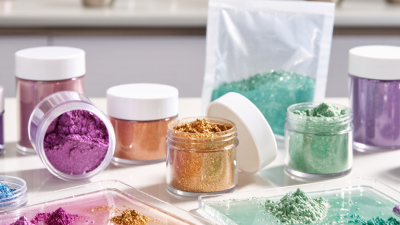
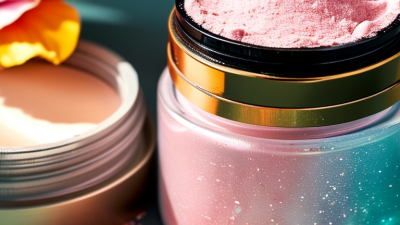
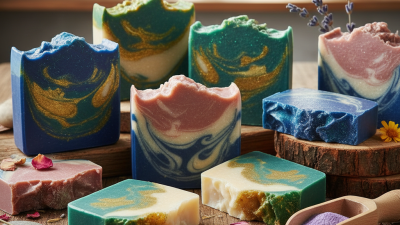
Why Choose Mica Color Powder for Your Business?
Choosing a color material is not just a matter of finding the brightest shade. For manufacturers, makers, and product developers, Mica Color Powder can influence appearance, texture, and production consistency. Its soft shimmer may suit cosmetics, craft products, coatings, or other applications, depending on the grade and intended use. The details matter.
A useful evaluation starts with the actual sample. Check how the powder looks under natural and indoor light, then observe its coverage, particle feel, and behavior in your base material. Ask suppliers for clear product specifications, recommended applications, and relevant safety documentation. Compare batches when color matching is important. A shade that looks perfect on a screen may appear warmer or more reflective in a finished product. Small differences count.
Business fit goes beyond appearance. Consider minimum order quantities, packaging, lead times, and how reliably a supplier can answer technical questions. Request a sample before committing to larger production, and test it using your own process. Keep records of the formula and results. This is not glamorous, but it helps. Mica Color Powder may offer useful visual effects, yet it will not solve every formulation or sourcing challenge. Some applications need a different finish, and supplier claims still deserve verification. A careful trial gives your team a more grounded basis for deciding whether the material meets your quality, cost, and customer expectations.
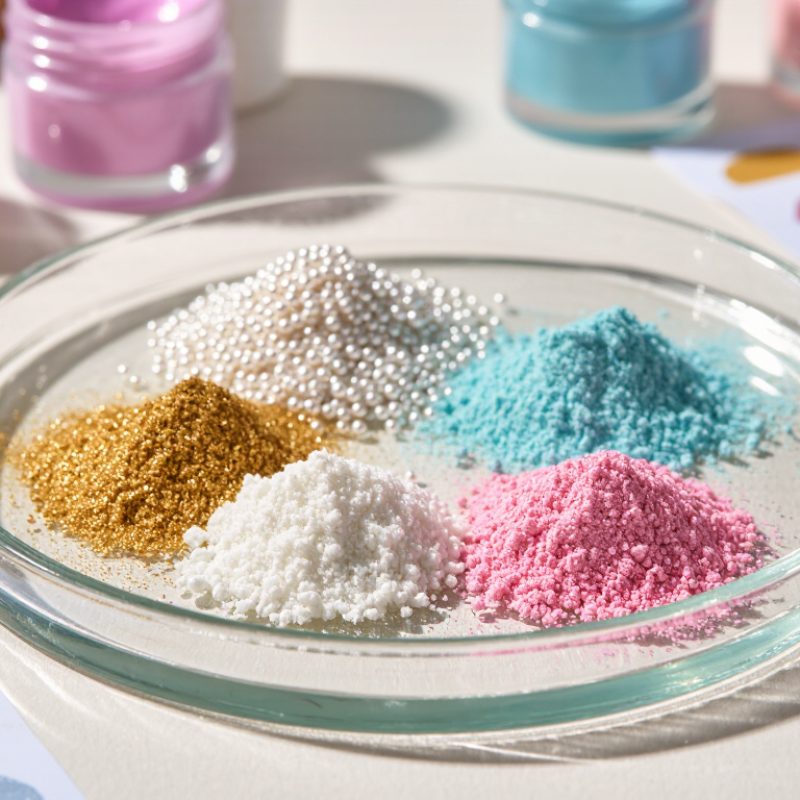
Define Mica Color Powder: Muscovite’s Mohs Hardness Is 2–2.5 (Mindat)
Mica color powder is finely ground mica, commonly muscovite, used to add shimmer and a pearly appearance to coatings, plastics, and craft materials. Mindat lists muscovite at Mohs hardness 2–2.5. That places it among relatively soft minerals, so particles can be scratched by harder substances.
Yet Mohs hardness measures scratch resistance, not impact strength, durability in a formula, or colorfastness. That distinction matters.
For a business, the low hardness can support gentle processing and a smooth, reflective finish, but it does not guarantee consistent results. Particle size, surface treatment, and the surrounding binder all affect appearance and handling.
The USGS 2024 Mineral Commodity Summaries describes mica’s use in products including paint and joint compound, showing its established role in industrial formulations.
In practice, test a small batch under your actual mixing and application conditions. Check for settling, abrasion, and changes in gloss after drying.
Still, hardness alone is an incomplete buying guide; it is easy to overlook the effect of particle size. Ask suppliers for relevant technical data, then verify performance in your own product.
Explain Its Luster: Muscovite’s Refractive Index Is About 1.55–1.62 (Mindat)
Mica color powder can give products a bright, layered sheen without relying on a flat, painted look. Muscovite’s refractive index is commonly reported at about 1.55–1.62, according to Mindat. Refractive index describes how light changes direction as it passes through a material. In fine mica platelets, that interaction helps create visible reflection and a soft shimmer.
That matters. For a formulator, the number offers useful context, but it cannot predict the finished color alone. Platelet size, coating, viewing angle, and the surface beneath the powder all affect the result. A warm-toned sample may glow on a dark surface, yet look quieter in a pale binder. Small changes in mixing can also alter how evenly the flakes sit. The effect is tactile and visible.
Test before scaling. Make drawdowns or small batches under the lighting customers will actually use. Compare the powder at different angles, and record the loading level and base material. Mindat’s refractive-index range is a mineral reference, not a guarantee of a particular commercial finish. That distinction is easy to overlook. Real samples may vary, and a beautiful swatch does not always translate cleanly into production.
Match Uses to Compliance: FDA Lists Mica Pearlescent Pigments in 21 CFR 73.2496
Why Choose Mica Color Powder for Your Business?
For cosmetic makers, mica-based pearlescent pigments can add a soft shimmer, from a satin glow to a brighter, reflective finish. But “mica powder” is not a compliance category by itself. In the United States, 21 CFR 73.2496 identifies mica-based pearlescent pigments and sets requirements for their identity, specifications, and permitted cosmetic uses. The details matter. A pigment’s coating, composition, and intended application should match the applicable requirements; the regulation is not a blanket authorization for every mica material or use.
Before selecting a color powder, ask suppliers for documentation that identifies the pigment and supports its intended cosmetic use. Check the exact product specification, purity information, and any use restrictions, then compare them with your formula and product type. A shade that looks ideal in a sample jar may behave differently in a cream, pressed powder, or eye-area product. Testing helps reveal those differences. Do not rely on a general “cosmetic grade” label alone; it may leave important questions unanswered. Regulatory wording can also change, so confirm the current regulation and applicable requirements before launch. A careful review takes time, but it can prevent costly reformulation later.
Why Choose Mica Color Powder for Your Business?
Match each use to the applicable compliance requirements. 21 CFR 73.2496 addresses mica-based pearlescent pigments as food color additives, including use consistent with good manufacturing practice (GMP).
A topic marked “Not established” is not determined by this section alone; it does not mean the use is prohibited. Check the regulations applicable to your product and intended use.
Source: 21 CFR 73.2496
Select Commercial Grades by Particle Size, Color Strength, and Batch Consistency
Why Choose Mica Color Powder for Your Business?
Select Commercial Grades by Particle Size, Color Strength, and Batch Consistency
Commercial mica powder should be selected by measurable performance, not appearance in a sample jar. Particle size affects sparkle, coverage, and surface feel. Ask suppliers for a particle-size distribution, including D50, and the test method used. ISO 13320 describes laser diffraction for particle-size analysis. Compare like with like. A finer grade may look smoother, but it can mute visible shimmer in a clear coating. That matters on a finished panel. Test samples at the same loading, binder thickness, and lighting conditions you use in production.
Color strength needs the same discipline. Record a defined color measurement, such as ΔE, against an agreed reference, and set an acceptable tolerance before ordering. The USGS Mineral Commodity Summaries 2024 estimates global mica production at about 410,000 metric tons for 2023. That figure covers mined mica, not finished color powder, but it illustrates the scale of a mineral supply chain with many processing steps. Batch records should therefore identify the grade, particle-size range, and color test results. Request retained samples for comparison when shipments arrive. Still, a neat specification sheet can mislead if your own equipment, resin, or lighting differs. Run a small production trial. It may feel repetitive, but it can reveal a mismatch before it spreads across a full batch.
Check Supply and Traceability Against USGS Mica Commodity Reporting
Why Choose Mica Color Powder for Your Business?
Check Supply and Traceability Against USGS Mica Commodity Reporting
Mica color powder can add a soft shimmer to coatings, plastics, and craft materials. But appearance is only part of a sound purchasing decision. The USGS 2024 Mineral Commodity Summaries estimates global scrap-and-flake mica production at roughly 500,000 metric tons in 2023. This broad figure gives buyers useful context about supply, not proof that a specific powder is responsibly sourced. USGS categories also distinguish mica types and forms, so compare like with like.
Ask suppliers to identify the mica type, processing country, and available origin records. Match those details against the countries and production categories reported by USGS. Request batch-level documents, not just a general sourcing statement. A neat spreadsheet helps, but it cannot replace clear records or a conversation about gaps. Traceability is not always complete.
Tips: Check the product specification, origin declaration, and batch number together. Confirm that the stated material and country align. Flag unexplained changes between orders.
Keep the records with purchase documents. Recheck them when suppliers, colors, or processing locations change. USGS data provides an independent benchmark; it does not certify individual suppliers or shipments.