China Best Mica Powder For Soap Uses Benefits and Tips?
Mica powder for soap has gained immense popularity in recent years, becoming a sought-after ingredient for its aesthetic appeal and functional benefits. According to a report by Grand View Research, the global mica powder market is expected to reach $1.7 billion by 2025, highlighting the growing demand for natural cosmetics and personal care products. This trend indicates a significant shift towards safer, eco-friendly alternatives in the beauty industry.
Experts like Dr. Lisa Thompson, a renowned cosmetic chemist, emphasize the advantages of mica powder for soap. She states, "Mica adds not only visual charm but also improves the texture of the soap." These benefits make mica powder a versatile choice for both commercial and artisanal soap makers. However, sourcing mica sustainably remains a concern, as unethical mining practices persist in some regions.
For consumers and producers alike, understanding the complexities of mica sourcing is essential. As the market grows, transparency and ethical considerations should guide choices. Even with its benefits, not all mica products are created equal, and reflection is needed to ensure responsible practices in the industry.
China's Mica Powder: Overview and Industry Significance
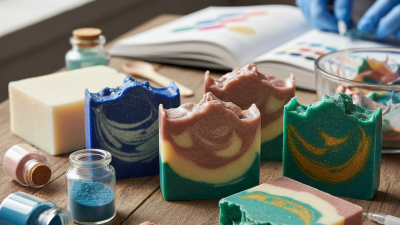
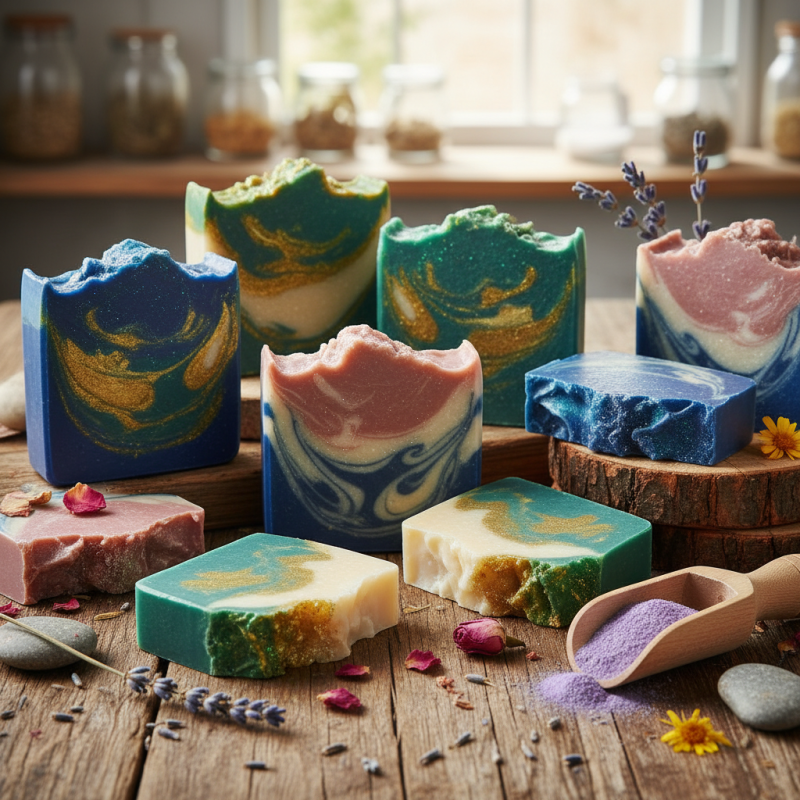
China's mica powder industry plays a crucial role in the global market. Known for its high purity and versatility, China's mica powder finds numerous applications, especially in soap manufacturing. The small particles provide natural shimmer and can enhance the aesthetic appeal of soap products. They also contribute to the texture, improving the overall user experience.
Mica powder from China is sourced primarily from the northeastern regions. This area boasts rich mineral deposits. The extraction process can be complex and sometimes leads to environmental concerns. Striking a balance between production and sustainability remains a challenge for the industry. Quality control is another aspect that requires constant attention. Variability in particle size and color can affect product consistency.
For soap makers, choosing the right mica powder is vital. Consideration of particle size influences how the color disperses in the final product. The effects of light reflection and color saturation should not be overlooked. While this material offers unique properties, overuse may lead to unexpected results. Proper testing and formulation adjustments are necessary to achieve desired outcomes.
China's Mica Powder Usage in Soap Production
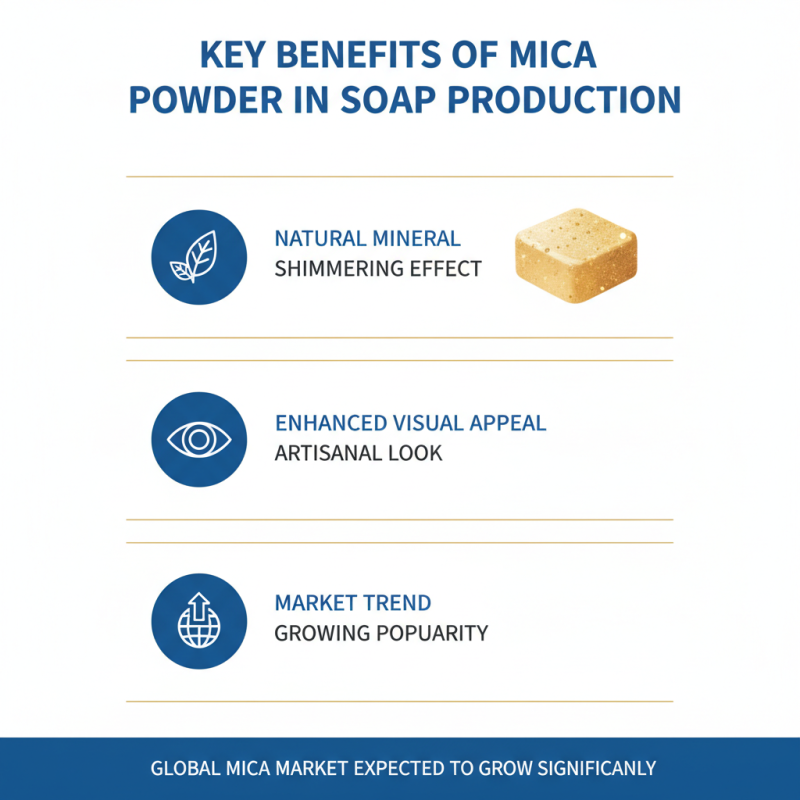
Key Benefits of Mica Powder in Soap Production
Mica powder is a popular ingredient in soap production. Its unique properties offer several benefits. Mica is a natural mineral that provides a shimmering effect. This can enhance the visual appeal of soaps. According to market research, the global mica market is expected to grow significantly, indicating rising interest in its applications.
Incorporating mica powder into soap can improve texture and color. It helps create a smooth finish, enhancing the overall quality of the product. Industry data suggests that products with high visual appeal tend to command higher prices. Mica is also non-toxic, making it suitable for a wide range of consumers. However, sourcing quality mica is crucial. Some mica mining practices raise ethical concerns. Consumers are becoming more aware of these issues.
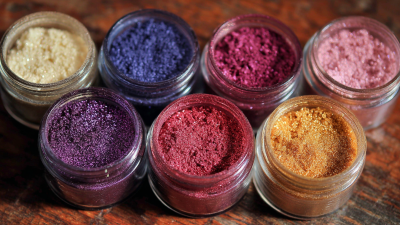
Soap makers should consider this before purchase. Testing small batches with different mica powders can help in selecting the right shade and shimmer. Understanding the differences in particle size is also important. Larger particles might create a more dramatic effect, while smaller ones offer subtlety. Ultimately, experimentation is key for creating unique soap products that stand out in a competitive market.
Comparative Analysis of Mica Powder Grades for Soap Application
When choosing mica powder for soap making, understanding the different grades is essential. Mica is typically graded based on its purity and particle size. Higher-grade mica powder offers a more vibrant color and better dispersibility in soap. However, aesthetically pleasing colors often come at a higher cost.
Tip: Always perform a small batch test. This helps you gauge how the mica blends in your soap base. Adjusting the amount of mica can result in varied color intensity. For instance, a little mica can create a subtle shimmer, while more can result in a bold appearance.
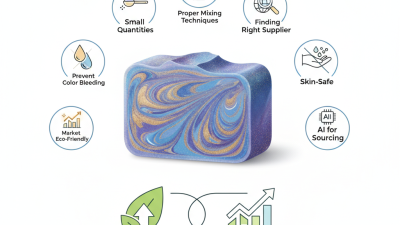
Consider the source of your mica. Some might come from sustainable practices, while others do not. Researching your suppliers ensures you support ethical sources. It’s also important to note that not all mica powders are skin-friendly. Always check for potential allergens or irritants relevant to your audience.
Experimentation is key in discovering what works best. There may be unexpected results when mixing different grades. Learning from these outcomes is part of the creative process. It's okay to seek perfection but embrace the unique aspects of your creations.
Safety Standards and Regulations for Mica in Cosmetics and Soap
Mica has become a popular ingredient in cosmetics, particularly in soap making. It adds a beautiful shimmer and can enhance the product's aesthetic appeal. However, safety standards and regulations must be carefully considered.
Mica sourced for cosmetics needs to comply with strict safety regulations. Organizations such as the FDA and global agencies oversee its use. These regulations ensure that mica does not contain harmful substances. Every batch should be tested to guarantee purity. However, not all suppliers follow these guidelines.
It's essential to choose suppliers who are transparent about their mica sourcing. Some mica may be sourced from regions with labor issues. This raises ethical concerns for makers and consumers alike. Always investigate the supply chain to ensure ethical practices. Engaging with reputable sources can lead to a higher-quality product that meets safety standards.
Tips for Incorporating Mica Powder into Soap Formulations
Mica powder is a popular choice for soap makers seeking vibrant colors and a
shimmery finish. When used correctly, it can elevate the aesthetic appeal of your
handcrafted soaps. However, incorporating mica powder into your formulations requires some careful consideration.
Understanding the right amount is crucial. Too much mica can lead to grainy textures.
Start with small amounts, gradually increasing until you achieve your desired effect. Keep in mind that some mica powders may
morph in color when exposed to heat or oils. Always do a test batch to avoid unwanted surprises.
Tips for incorporating mica powder into soap formulations include mixing it with a carrier oil
before adding. This method helps distribute the powder evenly, preventing clumping. Additionally, it’s essential to choose
the right timing. Adding mica powder too early may cause it to lose its sparkle during the saponification process.
Remember that experimentation is key. You might face challenges in achieving consistent
results. Don’t be discouraged if the first few attempts don’t meet expectations. Each batch offers a chance to improve your
techniques and refine your skills. Keep notes on your process to track which combinations work best.