Top Mica Powder for Cosmetics Suppliers Worldwide?
Choosing the Top Mica Powder for Cosmetics Suppliers Worldwide requires more than comparing prices or viewing bright color charts. Mica must perform consistently under studio lights, on real skin, and across repeated production batches. A fine golden powder may look beautiful in a jar, yet feel gritty on the cheek. That difference matters.
Kelly Dobos, a cosmetic chemist and science communicator, has explained, “Mica is used to add shimmer and luster to cosmetic products.” Her observation sounds simple. However, it points to a deeper issue: suppliers must control particle size, surface treatment, color strength, and dispersion. These factors influence glow, slip, coverage, and final product stability.
Reliable suppliers should provide clear technical data, batch information, safety documents, and traceability records. Responsible sourcing also deserves careful attention. Customers increasingly expect evidence about mining practices and worker welfare. A low price may conceal weak documentation. That possibility should not be ignored.
This guide examines global Mica Powder For Cosmetics suppliers through a practical formulation lens. It considers pigment consistency, available grades, packaging quality, laboratory support, delivery reliability, and communication. Samples should be tested in actual formulas, not judged from photographs alone. Pressed powder, liquid foundation, cream blush, and lip products can expose different weaknesses.
No supplier is perfect. Even experienced buyers may overlook moisture sensitivity or unexpected color shifts. A thoughtful review therefore asks uncomfortable questions. Can the supplier reproduce the same sparkle next month? Can it explain the origin clearly? Can its documentation withstand professional scrutiny? These answers separate attractive marketing from dependable cosmetic materials.
What Is Cosmetic-Grade Mica Powder?
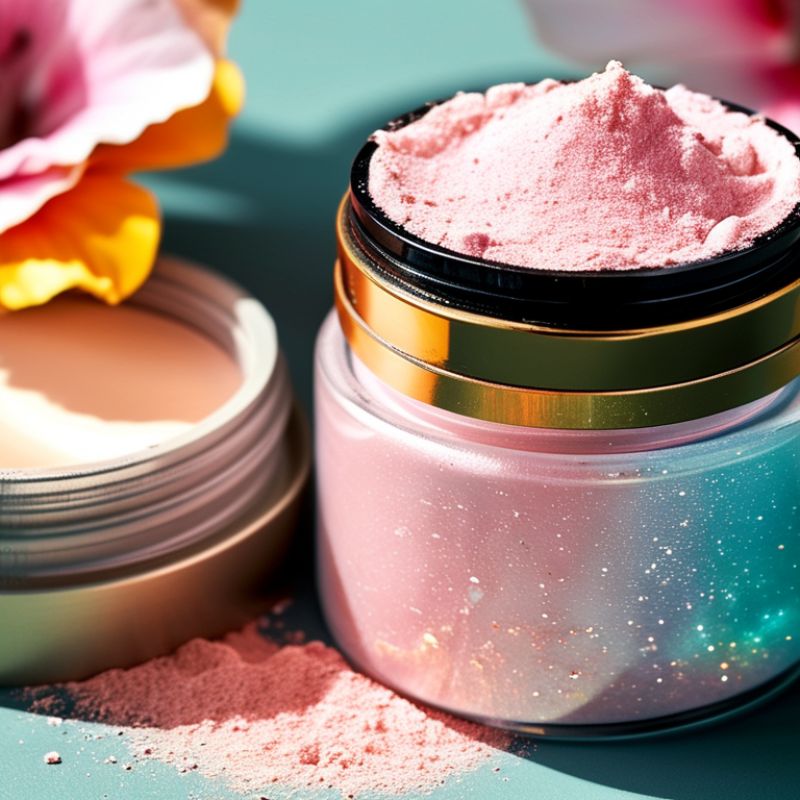
Cosmetic-grade mica powder is a finely milled mineral pigment prepared for use in makeup and personal-care formulas. It can create shimmer, soft reflection, or a satin finish on skin. The powder should feel smooth between the fingers, without sharp particles or a gritty afterfeel. Texture matters.
A reliable supplier should provide clear specifications for particle size, color consistency, purity, and batch traceability. Independent testing for heavy metals, microbial quality, and unwanted mineral contaminants is important. A safety data sheet and certificate of analysis should match the delivered batch. Ask for proof. “Cosmetic grade” alone is not enough evidence of quality or worldwide compliance.
Experienced formulators also examine how mica behaves in pressed powder, cream, and liquid systems. A brilliant sample may look dull after blending with oils or binders. Larger particles can produce stronger sparkle, while finer grades often create a softer appearance. This difference is easy to underestimate. I would test a small sample under daylight, warm indoor light, and on actual skin. Suppliers with stable production, responsive technical support, and transparent documentation are usually stronger long-term partners. Still, even good documentation needs review. Formulas, markets, and local requirements can change, so each finished product requires its own professional safety assessment.
How to Evaluate Mica Powder Quality and Safety
When evaluating mica powder for cosmetics, begin with traceability, not appearance.
Request the mine origin, processing site, batch number, and a current certificate of analysis. A bright sample can still contain unwanted metals or inconsistent particles. In practical supplier audits, I compare three retained samples under identical lighting and magnification.
Color drift is often the first warning.
Safety evidence should include heavy-metal testing by ICP-MS, asbestos screening by XRD or electron microscopy, and microbiological results.
Ask whether testing covers lead, arsenic, mercury, and cadmium. The FDA Color Additives Status List and EU Regulation 1223/2009 show that permitted cosmetic use depends on jurisdiction, product type, and intended application.
Global approval is not automatic. Check the exact shade and use.
Documentation must also support good manufacturing practice. ISO 22716:2007 provides a recognized framework for hygiene, batch control, storage, and complaint handling. The SCCS Notes of Guidance, 12th revision, recommends assessing concentration, frequency, exposure route, and product retention time. A supplier should explain these factors clearly.
I would not accept a perfect-looking COA alone. Do not guess.
Ask for laboratory accreditation, test methods, detection limits, and corrective-action records.
One weakness remains: many buyers focus on purity but overlook particle-size distribution, which affects sparkle, skin feel, and inhalation exposure during loose-powder use.
Leading Regions for Cosmetic Mica Powder Suppliers
Leading Regions for Cosmetic Mica Powder Suppliers
India remains a major sourcing region for cosmetic mica powder, supported by established mineral processing expertise. Suppliers there often offer pearlescent grades, fine particle sizes, and custom color development. Buyers should request mine-origin records, processing details, and recent heavy-metal test reports. A low price is not enough.
China has broad manufacturing capacity and can support large, consistent orders. Many facilities provide coated mica, synthetic alternatives, and different particle distributions. Quality may vary between factories, so independent testing remains important. Samples should be checked for shade, sparkle, odor, microbial limits, and packaging stability.
Europe and North America are valued for strict documentation, technical support, and controlled production systems. These regions may suit brands needing detailed safety files and dependable communication. Brazil and other mineral-rich areas can also provide useful supply options, especially when regional logistics matter. However, local availability does not always mean better quality.
An experienced purchasing team should compare traceability, audit records, batch consistency, and regulatory documentation. Cosmetic mica must be suitable for its intended use, including products used around the eyes or lips. Supplier claims deserve verification. That part is easy to overlook.
The strongest region depends on volume, shade requirements, testing expectations, and delivery routes. A supplier with excellent samples may still struggle with repeat batches. Buyers should test production-scale material before making long-term commitments.
Leading Regions for Cosmetic Mica Powder Suppliers Worldwide
Asia-Pacific is the dominant upstream mica supply region, led by India and China. The figures show estimated natural mica mine production in 2023, expressed in thousand metric tons. Mine output is used as a practical indicator of raw-material availability and does not represent the number of finished cosmetic mica powder suppliers.
Source: U.S. Geological Survey, Mineral Commodity Summaries 2024, Mica. Regional totals are aggregated from reported and estimated country-level production and rounded.
Key Factors in Choosing a Global Mica Supplier
Choosing a global mica powder supplier requires more than comparing prices. Cosmetic performance depends on purity, particle size, color stability, and batch consistency. A reliable supplier should provide clear technical data, safety documents, and traceability records for every shipment.
Ask for samples from several production batches. Check brightness, texture, dispersion, and skin feel in your own formulas. Independent testing can confirm heavy metal limits, microbiological quality, and other cosmetic requirements. Supplier audits also reveal practical details, such as clean storage rooms, sealed packaging, and controlled humidity. These small observations matter.
Tips: Confirm the mica’s intended cosmetic use before ordering. Review minimum order quantities, lead times, packaging options, and export experience. Request a written specification sheet, not only a sales description. Keep one retained sample from each approved batch. It may seem excessive, but shade differences can appear after reformulation. I have found that fast communication is useful, yet it cannot replace technical evidence. A supplier may offer an attractive sample and still struggle with repeat orders. Ask how rejected batches are handled, and whether corrective records are available. Also consider ethical sourcing statements and transparent supply-chain information. These details do not guarantee perfection, but they support more dependable purchasing decisions.
How to Compare Suppliers, Certifications, and Pricing
Choosing a top mica powder supplier requires more than comparing a bright sample. I examine particle size, color consistency, surface treatment, and cosmetic-grade documentation. A reliable supplier provides a current Certificate of Analysis, Safety Data Sheet, ingredient nomenclature, and batch traceability. ISO 9001 supports quality management, while ISO 22716 may indicate stronger cosmetic manufacturing controls. However, certificates do not replace independent testing.
Pricing should reflect the complete delivered cost. Compare the powder price, minimum order quantity, packaging, freight, duties, testing fees, and expected waste. A low quote can look attractive. I once underestimated the cost of inconsistent color, which created extra rework and delayed production.
Ask for several batches, not only one perfect sample. Check lead times, storage conditions, complaint handling, and whether the supplier can maintain supply during seasonal demand. Regional compliance also matters because accepted limits for impurities can differ between markets.
Tips:
Request recent batch records and test reports. Confirm heavy metal and microbiological limits with your laboratory. Compare samples under the same lighting and formulation conditions. Visit the production site when possible, or arrange a documented third-party audit. Be cautious with vague claims such as “premium quality.” They sound useful, but they prove little without measurable specifications. Some suppliers may provide excellent color but weak documentation, while others offer strong compliance at a higher cost. That trade-off deserves careful review.