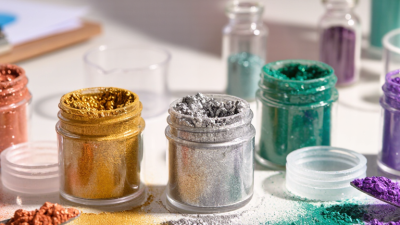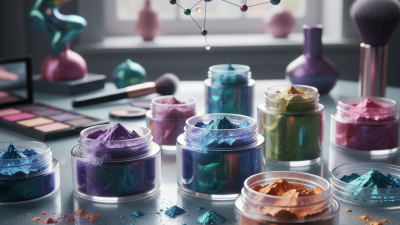
Choosing China Top Mica Powder for Skin Suppliers? The decision requires more than attractive colors and low prices. Mica Powder For Skin is used in foundations, highlighters, eye products, and body cosmetics. Its performance depends on particle size, surface treatment, brightness, and dispersion. A soft champagne shade may look elegant in a sample jar, yet behave differently in a pressed formula.
Reliable suppliers should provide clear technical documents. Look for an INCI name, specification sheet, batch number, and certificate of analysis. Testing should address purity, heavy metals, microbiological quality, and restricted substances. Responsible manufacturers should also explain their mineral sourcing and quality-control process. Factory audits, production photos, and traceable sample records can strengthen confidence. However, documents alone are not proof of consistent manufacturing.
Practical evaluation matters.
Request several batches, not one sample. Test the powder under daylight, warm lighting, and actual formulation conditions. Check skin feel, adhesion, fallout, color stability, and compatibility with oils or binders. A supplier may describe its mica as “premium,” but that word has limited value without measurable standards. Claims about safety should be reviewed against the regulations in the target market. Experienced buyers also confirm packaging hygiene, lead times, minimum order quantities, and complaint handling. Some suppliers may answer slowly or offer incomplete data; that is a useful warning, not a minor inconvenience. This guide examines key supplier qualities, verification steps, and product details to help brands make a more informed choice. Mistakes can still happen. Careful review reduces them.
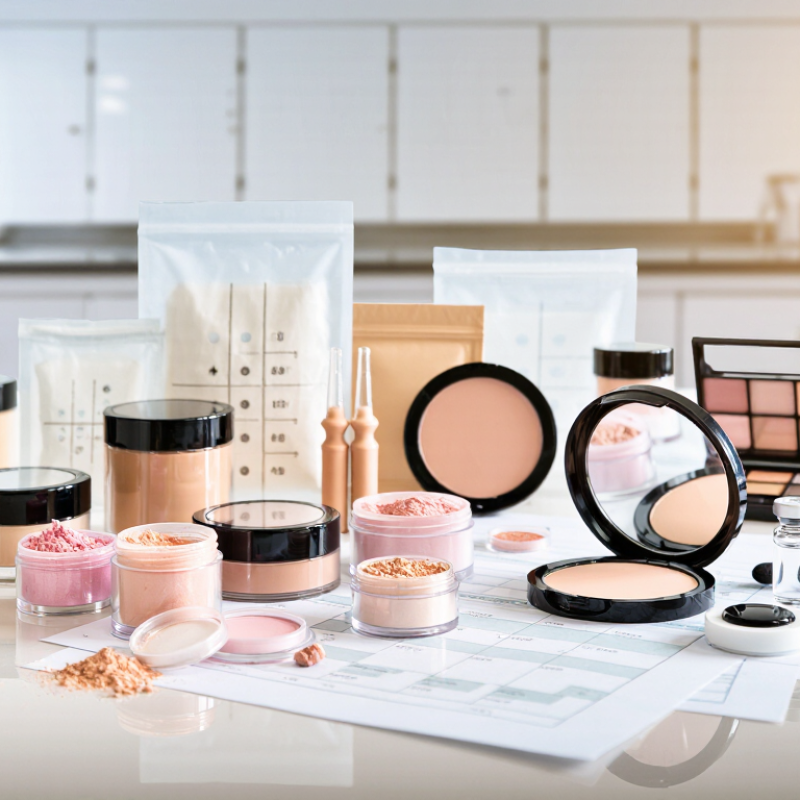
Mica powder is a finely milled mineral used to create shine, softness, and visual depth. Its thin plate-like particles reflect light across the skin. This can make a cream look smoother and a powder appear more luminous. Some grades also improve slip, helping a product spread evenly with less drag.
Mica is mainly a sensory and appearance ingredient, not a proven skin-repair active. That distinction matters. In formulation work, experts check particle size, purity, color consistency, and surface treatment before approval. Responsible suppliers should provide technical data, safety documents, and testing for unwanted impurities such as heavy metals. The powder should suit its intended use, especially around the eyes or in loose products where airborne particles may be inhaled.
A bright shimmer is not always better. Very large particles can feel rough or look excessive under direct light. Very fine particles may create a softer finish but require careful handling. I have seen ingredient descriptions sound impressive while saying little about actual testing. That is a useful warning. Clear specifications, traceable sourcing, and batch records offer stronger evidence than attractive claims. Formulators should also assess the complete formula, because mica can behave differently in oils, gels, creams, and pressed powders.
When evaluating China’s mica powder suppliers for skin applications, start with product identity and traceability. Ask for the exact mica source, cosmetic-grade specification, INCI name, particle-size distribution, and surface treatment details. A reliable supplier should provide recent batch-specific certificates of analysis, not only a general brochure. Check testing for heavy metals, microbiological quality, and asbestos absence through qualified laboratories. The documents should show methods, limits, dates, and batch numbers.
Request samples from at least two production batches. Compare color, sparkle, texture, odor, and dispersion in a simple cream or powder formula. Small differences can become visible on skin. Inspect the packaging too; sealed inner bags and clear lot labels reduce contamination risks. Ask how the supplier controls dust, cleaning, storage, and rejected material. Evidence of a quality system helps, but a certificate alone proves little. Audit records and corrective-action reports reveal more.
Communication is another practical test. Can the supplier explain changes in ore, milling, coating, or packaging without vague answers? Confirm minimum order quantities, lead times, retention samples, and complaint handling before purchase. Requirements differ across markets, so verify current cosmetic regulations with a qualified specialist. I would not rely on a perfect sample. Real production can be less consistent, and that uncomfortable possibility deserves a written control plan.
China Top Mica Powder for Skin Suppliers?
Cosmetic mica powder should meet documented quality requirements, not only look bright in a sample jar. ISO 22716 provides a useful framework for cosmetic good manufacturing practices. It covers hygiene, production controls, storage, training, and batch records. ISO 9001 may support general quality management, but it does not replace cosmetic safety controls.
Each batch should include a certificate of analysis, safety data sheet, purity results, particle-size information, and traceability details. Testing should address heavy metals, microbial quality, allergens where relevant, and unwanted contamination. Limits can differ by destination market. A supplier should therefore explain which national cosmetic rules apply to your product and intended use. A polished certificate is not enough. Verification matters.
Tips: Request a recent production sample, not only a laboratory sample. Compare its shade, texture, odor, and dispersion with the approved standard. Ask how rejected batches are handled. Check whether records connect raw materials to finished lots. Responsible sourcing documents can also strengthen supplier evaluation. In practice, small gaps often appear in traceability or change-control records. They may seem minor, but they can affect consistency. A careful review may reveal that an attractive price reflects fewer tests, not better efficiency.
China Top Mica Powder for Skin Suppliers?
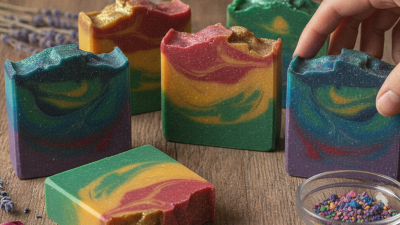
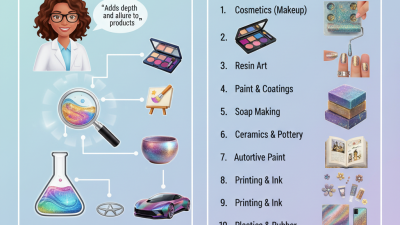
Suppliers in China commonly provide cosmetic-grade mica powder for eyeshadow, blush, highlighter, body shimmer, and soap. Fine particles create a soft glow, while larger particles produce stronger sparkle. Some suppliers also offer white, gold, bronze, silver, and custom-shaded mica. Skin feel matters. A powder can look beautiful but still feel gritty.
Experienced suppliers usually support custom particle sizes, color matching, surface treatment, and blended formulations. They may adjust brightness, coverage, undertone, or oil dispersibility for a specific formula. Custom packaging is also available, including jars, bags, labels, and private cartons. However, packaging quality needs checking. Weak seals can allow moisture into the powder.
Reliable sourcing requires more than attractive samples. Ask for an ingredient statement, certificate of analysis, safety data sheet, heavy-metal testing, and microbial results. Confirm batch traceability and cosmetic-use documentation before placing a large order. Small samples help compare shade, texture, odor, and stability. Requesting a pilot batch is wiser than trusting photographs.
I have found that color matching is rarely perfect on the first attempt. Lighting changes the result. Screen images can mislead. Suppliers with laboratory support can improve consistency through controlled testing and retained samples. Still, buyers should independently review local cosmetic regulations and product claims. “Natural-looking” does not replace verified safety data. Clear communication prevents expensive revisions.
| Product Type | Typical Skin-Care or Cosmetic Use | Common Particle-Size Range | Appearance and Performance | Common Custom Services | Typical Technical Documents | Packaging Options |
|---|---|---|---|---|---|---|
| Natural Muscovite Mica | Pressed powder, loose powder, foundation, blush, eye shadow, body shimmer and mineral make-up. | Approximately 10–150 μm, depending on grade and milling process. | Translucent to pearly appearance; provides slip, soft-focus effects and a smooth sensory feel. | Particle-size grading Brightness selection Surface treatment | Specification sheet, safety data sheet, heavy-metal test, microbiological test and batch certificate where applicable. | Polyethylene bags, fiber drums, cartons or customized inner and outer packaging. |
| Fine Sericite Mica | Face powder, foundation, concealer, primer and formulations requiring a silky, adherent powder feel. | Commonly approximately 5–45 μm for fine cosmetic grades. | Fine, soft and plate-like; helps improve spreadability, adhesion and the visual smoothness of powder products. | Fineness adjustment Oil-absorption targeting Low-iron selection | Particle-size distribution, loss on drying, chemical composition, safety data sheet and conformity statements. | Small sample bags, 5–25 kg bags, lined cartons and moisture-protective bulk packaging. |
| Synthetic Fluorphlogopite | High-lustre eye shadow, highlighter, glitter-effect make-up and premium color cosmetics. | Approximately 10–200 μm, with finer or larger grades available for different visual effects. | Very bright, clean and consistent base color; suitable for stronger sparkle and pearlescent effects. | Lustre-level selection Particle-size matching Color development | Technical data sheet, safety data sheet, color or gloss data, heavy-metal screening and batch documentation. | Sealed plastic bags, lined drums, cartons and private-label-free industrial packaging. |
| Surface-Treated Mica | Long-wear foundation, pressed powder, water-resistant make-up and formulas needing improved compatibility with oils or silicones. | Usually based on a selected mica grade; approximately 10–150 μm. | Improved dispersibility, adhesion or hydrophobicity, depending on the treatment and formulation system. | Silicone treatment Amino-acid treatment Hydrophobic treatment Custom treatment level | Surface-treatment description, residual-solvent information where relevant, safety data sheet and compatibility data. | Moisture-barrier bags, lined cartons, fiber drums and customized batch sizes. |
| Pearlescent Mica-Based Pigment | Highlighter, eye shadow, lip products, nail cosmetics and decorative body-care products. | Approximately 10–300 μm, selected according to shimmer, sparkle and coverage requirements. | Colored or iridescent visual effects created by coating mica with approved effect-pigment layers. | Shade matching Lustre adjustment Particle-size blending Sample development | Color specification, safety data sheet, heavy-metal test, regulatory statements and sample approval records. | Light-protective bags, jars for laboratory samples, cartons and bulk drums. |
| White or Low-Color Mica | Translucent finishing powder, natural-look foundation, primer and products where minimal color interference is required. | Approximately 5–100 μm, depending on the intended finish and coverage. | Neutral to translucent appearance; supports a soft, natural finish and can reduce visible color shift in formulas. | Whiteness control Low-color selection Fineness adjustment | Whiteness or color data, particle-size distribution, safety data sheet and batch quality certificate. | Standard bags, lined cartons, drums and moisture-resistant export packaging. |
| Custom Blended Mica Powder | Formulas requiring a specified combination of slip, coverage, adhesion, brightness, oil absorption or shimmer. | Blended to the requested specification; common components range from approximately 5–200 μm. | Performance is adjusted through particle-size blending, mica selection, treatment and pigment combination. | Formula-based blending Pilot samples Shade matching OEM bulk supply | Agreed specification, certificate of analysis, safety data sheet, batch traceability and quality-control records. | Trial quantities, standard bulk packs, customized net weights and palletized export shipments. |
China’s mica powder sector serves cosmetics, coatings, and personal care manufacturing. Grand View Research’s 2024 market report estimates the global mica market will grow at about 4.8% annually through 2030. This growth attracts many suppliers, but product quality remains uneven. A practical audit should begin with the supplier’s factory, not its online catalog. Request a recent certificate of analysis, safety data sheet, ingredient declaration, and batch traceability record. Confirm particle size, color consistency, purity, and heavy-metal test results. A glossy sample can still mislead.
Ask whether the supplier follows documented quality controls aligned with ISO 22716 principles. Check how workers prevent cross-contamination during drying, grinding, and packing. Request samples from three production batches. Compare them under identical lighting and a 400-mesh screen. Small differences matter. The U.S. Geological Survey’s 2024 Mineral Commodity Summaries separates mica into sheet, scrap, flake, and ground forms. This classification reminds buyers to define the material precisely before negotiating prices.
Price deserves careful review. Extremely low quotations may reflect weaker testing, inconsistent sourcing, or incomplete documentation. I once treated a low price as efficiency; that was a poor assumption. A stronger supplier explains mining origin, processing steps, packaging weight, and rejection procedures clearly. Verify export experience through inspection records and independent laboratory testing. Do not rely only on polished certificates. Visit the facility when possible, and document every unanswered question.