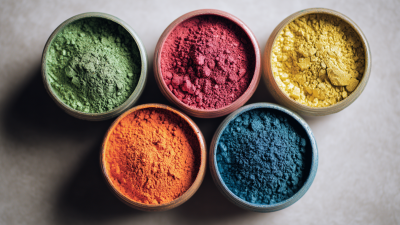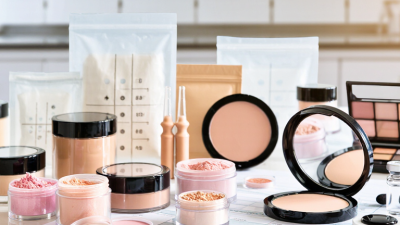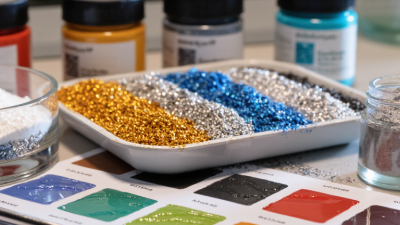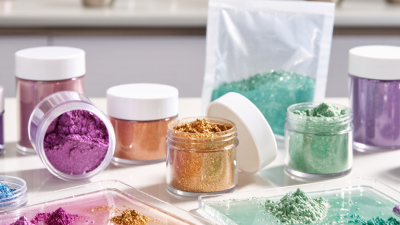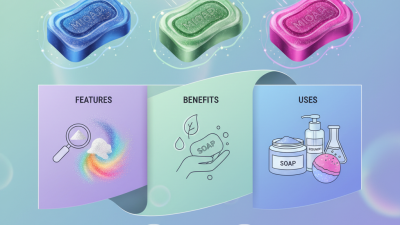
Pigment Powder Mica gives products a distinctive visual character without relying on flat, ordinary color. Its fine mineral particles can create soft shimmer, metallic depth, or a satin finish. Under direct light, a coated surface may shift from subtle silver to warm gold. That small change can influence how customers perceive packaging, cosmetics, crafts, and decorative coatings.
Experienced formulators value Pigment Powder Mica because it offers flexibility during product development. It can be blended into resin, soap, paint, polymer clay, and selected cosmetic formulas. However, performance depends on particle size, surface treatment, dispersion, and the intended application. A powder that looks brilliant in a sample jar may appear dull after mixing. It may also settle when the base is too thin. Testing matters.
Reliable sourcing supports better results. Ask suppliers for technical data, batch information, ingredient details, and application guidance. Cosmetic products require suitable cosmetic-grade materials and careful compliance checks. Industrial products may need different specifications. Color consistency should be reviewed under controlled lighting, not only beside a window.
Pigment Powder Mica is not a magic ingredient. It cannot correct poor formulation design or weak packaging choices. In some projects, I have seen excessive shimmer reduce readability and make a product feel less refined. That lesson is easy to overlook. Thoughtful dosage, compatibility testing, and honest supplier communication help transform attractive powder into dependable product value. Choose the finish deliberately. Test the real formula.
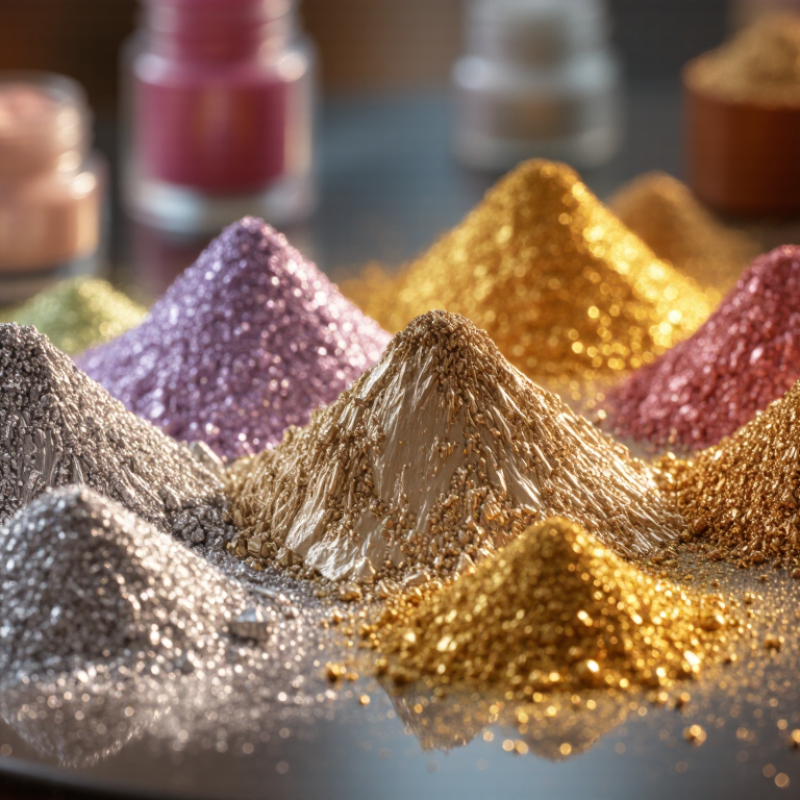
Pigment powder mica is a finely milled mineral material with flat, plate-like particles. These particles reflect light and create shimmer, sparkle, or a soft pearlescent effect. Unlike many solid pigments, mica can make a surface look brighter without appearing completely opaque. Its appearance depends on particle size, coating, color, and lighting conditions.
In practical product development, formulators use mica in cosmetics, craft coatings, decorative finishes, and creative materials. A small amount can change the visual character of a formula. Fine mica usually gives a smoother glow. Larger particles create stronger sparkle but may feel rougher. I have found that color swatches can be misleading. The powder may look dull in a container, then appear vivid after mixing.
Mica must disperse evenly to prevent streaks and settling. Gentle blending often works better than aggressive mixing, which can damage delicate particles. Product developers should check skin suitability, particle quality, dust control, and local safety requirements. Not every mica grade fits every application. That part is easy to underestimate. Testing under natural and artificial light can reveal unwanted color shifts. Stability tests are also important, especially when mica is combined with oils, water, binders, or other pigments.
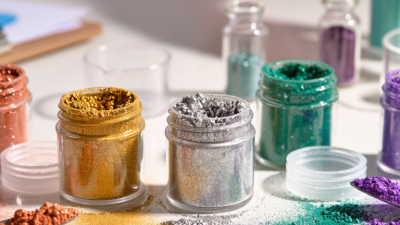
Pigment powder mica begins with mica flakes, either carefully processed from mineral sources or produced as synthetic mica. The material is washed to remove dust and unwanted minerals. It is then dried, milled, and separated by particle size. Fine particles create smoother color, while larger flakes produce stronger sparkle. The choice changes the final appearance.
Formulation requires more than adding powder to a base. Technicians test mica with oils, waxes, water-based binders, plastics, or coatings. They check dispersion, settling, coverage, and color consistency. A well-balanced formula prevents clumps and reduces uneven shine. Surface treatment may improve compatibility with the binder. However, too much treatment can weaken the visual effect. Small trial batches reveal problems earlier.
Good production records matter. Each batch should include particle size, moisture level, color strength, and contamination screening. The intended application also determines suitable testing and regulatory checks. A powder for decorative craft use may need different evaluation from one used in personal-care formulations. One common mistake is judging quality from dry powder alone. The real test appears after mixing, drying, and exposure to light. Sometimes the first formula looks impressive but settles overnight. That result is useful, not perfect, and it deserves another adjustment.
Mica pigments add a reflective, mineral-like finish to cosmetics, crafts, coatings, and decorative materials. Their thin platelets catch light at different angles, creating soft shimmer instead of a flat color. This effect can make a small amount of pigment look visually rich. It also helps products stand out on shelves and under studio lighting.
Mica powder offers flexible color control. Manufacturers can blend it with compatible bases to create pearl, metallic, satin, or translucent effects. Different particle sizes produce different appearances. Fine particles feel smoother and look more delicate. Larger particles create stronger sparkle.
In practical testing, careful dispersion matters. Poor mixing may leave streaks, clumps, or uneven shine. That is not a minor detail.
It can also improve design consistency when batches are measured accurately. However, mica is not a universal solution. Some formulas may need extra testing for texture, stability, moisture resistance, and skin compatibility.
Overuse can make a product look harsh or feel gritty. A measured trial works better. Product developers should review technical data, check intended-use requirements, and test the final formula under real lighting. The best result may appear less dramatic than expected. That can be a good thing. Subtle shimmer often feels more refined and easier to use.
Choosing mica powder starts with the application, not the color chart. A brilliant sparkle may look attractive in a jar, yet behave poorly in a coating or resin. Check particle size first. Fine grades create smoother surfaces and softer shimmer. Larger flakes give stronger sparkle but may settle, clog narrow nozzles, or feel rough under a fingertip. I compare a small sample under the product’s actual lighting. Natural daylight and warm indoor light can reveal different undertones.
The binder matters just as much. For water-based products, test dispersion, wetting, and sedimentation. For oils, waxes, or resin, check whether the powder blends evenly without streaks. Surface-treated mica can improve compatibility, but it is not automatically the best choice. Review the technical data sheet for particle size, recommended loading, moisture content, and heat resistance. Then mix small batches. A practical starting point is one to five percent, although the suitable level depends on opacity and effect.
I also check color stability after curing, drying, rubbing, and storage. A sample can appear perfect on day one and dull later. Careful records help: batch weight, mixing time, temperature, and final appearance. I have learned that visual judgment alone is unreliable, especially with translucent bases. Ask for a sample and relevant safety documentation before approving production material. The right powder may require compromise. Maximum sparkle can reduce smoothness, coverage, or processing speed.
Pigment powder mica can give soaps, candles, resin pieces, and craft coatings a soft metallic glow. Its reflective particles catch light differently as the surface moves. However, attractive color does not remove the need for careful handling.
Use mica in a well-ventilated workspace. Wear a properly fitting mask, protective glasses, and disposable gloves when measuring dry powder. Avoid shaking the container, because airborne particles can spread across nearby surfaces. Add small amounts with a clean scoop, then mix slowly to reduce dust. Always check the supplier’s safety data and intended-use guidance. Cosmetic-grade mica is not automatically suitable for every cosmetic application, especially around the eyes or lips.
Keep the powder tightly sealed in its original, clearly labeled container. Store it in a cool, dry cabinet away from sunlight, moisture, food, and children. A damp spoon can introduce clumps and contaminate the remaining powder. I have found that a simple date label prevents confusion when several colors look similar. It is easy to forget this step. I still do sometimes.
Clean spills with a damp disposable cloth rather than sweeping them into the air. Do not pour excess powder into sinks or drains. Follow local disposal instructions, particularly when the mica has mixed with other materials. Before selling or gifting a finished product, record the pigment amount and test the surface after curing. Small changes in color can reveal uneven mixing, contamination, or storage problems.
| Data Dimension | Practical Information | Why It Matters | Recommended Practice |
|---|---|---|---|
| Material Type | Mica is a naturally occurring mineral that can be milled into fine, plate-like powder. It provides reflective, pearlescent, or metallic-looking effects when light interacts with the particles. | The particle structure creates visual depth and shimmer without relying on a liquid colorant. | Select a grade and particle size that are specifically suitable for the intended product and application. |
| Common Product Uses | Mica pigments are commonly used in soap, candles, resin crafts, coatings, polymer projects, stationery, decorative finishes, and other non-food applications. | One pigment can support multiple creative and manufacturing applications when its compatibility is confirmed. | Check the supplier’s technical data and intended-use statement before adding the powder to a formulation. |
| Visual Effect | Available effects may include pearlescent, satin, glitter-like, metallic, color-shifting, and interference appearances, depending on composition and particle size. | The appearance can change with lighting, viewing angle, base color, and concentration. | Test a small sample on the actual base material before producing a full batch. |
| Dispersion Behavior | Powder can disperse differently in water-based, oil-based, wax, resin, and polymer systems. Some mica powders may settle if the mixture is too fluid or insufficiently mixed. | Uneven dispersion can cause streaks, sedimentation, or inconsistent color and sparkle. | Use gradual incorporation, adequate mixing, and a compatibility test. Avoid adding more powder than the formulation can suspend. |
| Starting Addition Level | A practical starting point is often about 1% by weight for testing, followed by gradual adjustment according to the desired effect and the product’s technical limits. | The suitable level depends on particle size, base material, opacity, and the required intensity. | Measure by weight, document each trial, and follow the product specification or safety data sheet where available. |
| Cosmetic or Skin-Contact Use | Only use pigment labeled and documented as suitable for the relevant cosmetic or skin-contact application. Industrial or craft-grade material should not be assumed to be cosmetic-safe. | Safety requirements and permitted color additives vary by jurisdiction and product type. | Review the current regulatory status, technical documentation, purity information, and intended-use restrictions before formulation. |
| Inhalation Risk | Fine pigment dust can become airborne during scooping, pouring, brushing, or vigorous mixing. Inhalation exposure should be minimized. | The hazard depends on particle characteristics, formulation, concentration, and the information provided in the safety data sheet. | Work in good ventilation, avoid creating dust, keep the container close to the work surface, and use suitable respiratory protection when required by the safety assessment. |
| Eye and Skin Protection | Loose powder may irritate the eyes, and repeated contact may be undesirable even when the finished product is intended for external use. | Personal protective equipment helps reduce accidental exposure during handling. | Wear safety glasses and protective gloves as appropriate. Wash hands after handling and follow the product safety data sheet. |
| Food Contact | Pigment powder intended for crafts, cosmetics, or industrial use should not be used in food or on food-contact surfaces unless it is specifically approved and labeled for that purpose. | Food-use requirements are separate from general product safety or cosmetic requirements. | Confirm applicable food regulations and documentation before any food-related use. |
| Storage Conditions | Store pigment powder in a cool, dry, well-ventilated area away from moisture, direct sunlight, excessive heat, and incompatible materials. | Moisture can cause clumping, while heat, contamination, or light may affect handling and appearance. | Keep the original container tightly closed and place it in secondary containment if spills could be problematic. |
| Labeling and Traceability | A useful label includes pigment name or code, color, lot or batch reference, intended use, receipt date, and relevant hazard information. | Clear identification helps prevent mix-ups and supports consistent production records. | Do not transfer material into an unlabeled container. Retain the current technical and safety documentation. |
| Spill Cleanup | Dry sweeping or compressed air can disperse fine particles into the air. | Dust clouds increase the chance of inhalation and contamination of nearby surfaces. | Avoid raising dust; use an appropriate vacuum or carefully damp-clean compatible surfaces, then dispose of waste according to local requirements. |
| Quality Check Before Use | Check the powder for unusual odor, visible contamination, excessive moisture, hard clumps, damaged packaging, or changed appearance. | Early inspection can prevent inconsistent batches and reduce the risk of using compromised material. | Quarantine questionable material and consult the supplier’s documentation before use. |
Safety note: Always read the current label and Safety Data Sheet for the specific pigment powder. Intended-use restrictions, exposure controls, and regulatory requirements may vary by product and region.