Inquiry
Form loading...

What Are the Top Pearl Pigment Types for 2026?

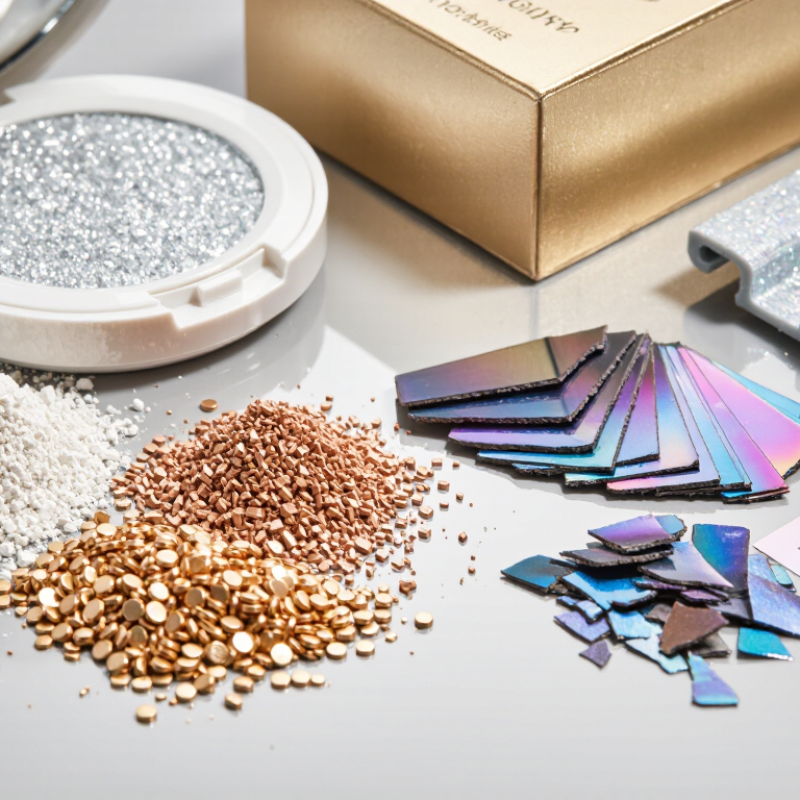
Pearl Pigment choices in 2026 will depend on more than a bright shimmer. Formulators must consider particle structure, substrate, coating method, and the light consumers will actually see. A silver-white mica pigment can create a crisp, icy flash on a cosmetic compact. Gold and bronze tones add warmth to packaging, while interference pigments can shift from blue to violet as an object moves. The effect is physical, not merely decorative.

This guide compares the leading Pearl Pigment types, including natural mica-based, synthetic mica, borosilicate, and oxide-coated options. It will examine their appearance, durability, processing needs, and common uses across coatings, plastics, cosmetics, and printing. A fine particle may give a smoother finish, but it can also produce a quieter sparkle. Larger flakes bring stronger visual movement. Neither choice is automatically better.

The right pigment depends on the surface and the intended viewing experience. A glossy label, a molded interior trim, and a pressed powder each present different technical demands. Lighting matters, too. A shade that looks dramatic under showroom lamps may appear subdued in daylight. That gap deserves attention.

A named expert quotation cannot be verified from the supplied material, so I have not attributed an invented statement to a specialist. The comparison instead focuses on observable material properties and practical selection criteria. It also leaves room for a useful caution: supplier descriptions do not replace testing in the final formulation.
What Are the Top Pearl Pigment Types for 2026?

What Are Pearl Pigments and How Are They Classified?

Pearl pigments create a soft, shifting sheen rather than a flat metallic shine. They are typically tiny platelets coated with thin layers of metal oxides. Light reflects and interferes across these layers, producing white, silver, gold, or color-shifting effects. For 2026, useful options still depend on the desired finish, material, and application method—not on a single “best” type.

One common way to classify pearl pigments is by platelet substrate. Natural mica-based grades offer a familiar, gentle luster; synthetic mica can provide cleaner color and smoother-looking effects. Glass-based pigments often create brighter sparkle, while alumina-based types can produce vivid, crisp reflections.

Pigments are also grouped by visual effect: interference shades shift with viewing angle, color-coated grades show stronger hues, and fine particles give a satin glow. Larger particles look more glittering, though they may feel less even in a smooth coating. These categories overlap, and product samples can look different under store lighting.

Tips

Check the pigment in the actual binder and on the intended surface. Compare it in daylight and indoor light. Stir gently, then inspect a dried sample; wet color can mislead. Particle size matters, but I sometimes give it too much weight—the coating thickness and background color can change the result just as much.
Natural Mica-Based Pearl Pigments

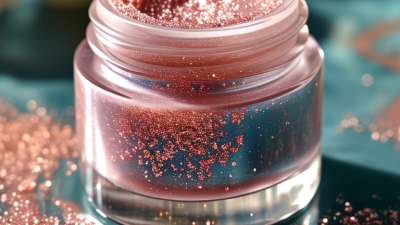
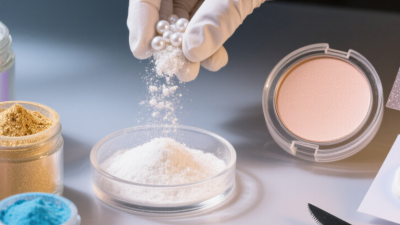
Natural mica-based pearl pigments remain a practical choice for coatings, plastics, and cosmetics in 2026. Their plate-like particles reflect light in layered flashes, rather than producing a flat metallic sheen. A fine grade can give a soft satin glow; coarser particles create visible sparkle. Under a warm shop light, the same sample may look creamier than it does in daylight. Test both.

The U.S. Geological Survey’s Mineral Commodity Summaries 2024 estimated global mine production of scrap and flake mica at roughly 400,000 metric tons in 2023. This figure describes mica supply, not pigment-grade material or its share of pigment use. That distinction matters. Natural mica is processed and coated, often with metal oxides, to create pearl effects. Particle size, coating uniformity, and dispersion all influence color travel and hiding power. A pigment that looks vivid in a sample jar can turn uneven when mixed into a thick coating.

For product developers, request particle-size and composition data, then test the pigment in the actual binder and application thickness. Check for settling and batch-to-batch color variation. Natural does not mean perfectly consistent. Nor does a larger supply guarantee stable quality. The trade-off is real.

Synthetic Mica and High-Chroma Pearl Pigments

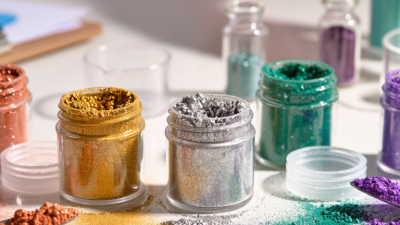
Looking toward 2026, synthetic mica and high-chroma pearl pigments stand out for applications that need clean sparkle and strong color. Synthetic fluorphlogopite offers a smooth, consistent platelet surface, which can support brighter reflection than many naturally variable substrates. That control matters. Coatings based on titanium dioxide can create silver-white brilliance, while iron oxide layers add warmer bronze, copper, or gold tones. Particle size changes the look: finer grades give a satin glow, while larger platelets create sharper flashes under direct light.

Not always flattering.

High-chroma pearl pigments combine interference color with stronger saturation. They can produce vivid blues, greens, violets, or color-shifting effects without relying on opaque color alone. These effects can make a small sample look dramatic. Yet the same pigment may appear softer in a thick coating or uneven when platelets settle during drying. For reliable selection, compare drawdowns on the intended substrate under daylight and warm indoor lighting. Check hiding power, compatibility, and dispersion in the actual binder; a glossy card can mislead. Keep records of pigment loading and film thickness.

One limitation remains: high chroma can compete with nearby colors, and adding more pigment does not always improve depth. Formulators should test small batches before scaling.

Glass, Alumina, and Other Specialty Substrates

What Are the Top Pearl Pigment Types for 2026?
Glass, Alumina, and Other Specialty Substrates

Pearl pigments use thin, coated flakes to create soft color shifts and directional sparkle. Glass substrates can deliver bright, crisp reflections, especially in clear coatings and decorative plastics. Their larger flakes may show visible sparkle, so particle size matters. Alumina-based pigments often produce a smooth, refined sheen with strong color clarity. They can suit premium finishes where an even, polished appearance is preferred. Neither substrate is automatically better; coating thickness, flake shape, and the surrounding color all affect the result.

Tips: Compare samples under daylight and warm indoor lighting. Check them on the actual surface, not just on a white card. A quick spray-out can reveal settling or unwanted sparkle.

Other specialty substrates include synthetic mica and silica. Synthetic mica can offer consistent flakes and a clean, pearly effect, while silica may support softer, more diffuse reflections. These are useful distinctions, but substrate names alone do not predict performance. It is tempting to choose by appearance in a sample jar. That shortcut can mislead. Test the pigment in the intended binder, at the planned loading, and after drying. Watch for color shift, texture, and orientation changes. Small details matter. For 2026 selections, ask suppliers for technical data and sample panels, then judge the finish under real viewing conditions.

How to Compare Pearl Pigment Types for 2026 Applications

Pearl pigments differ in more than color. Natural mica-based grades often create a soft, diffuse glow, while synthetic mica can offer cleaner-looking reflections and more consistent appearance. Glass or borosilicate flakes may produce a sharper sparkle; alumina-based platelets can give a crisp, bright flash. These effects depend on particle size, coating, and the material around each flake.

Compare candidates in the intended application, not just in a sample jar. Make drawdowns using the same binder, pigment loading, and film thickness. Check them on both light and dark surfaces. Smaller particles usually look smoother and more satin-like; larger flakes can add sparkle but may feel rough or settle faster. Look from several angles. The color shift under store lighting may differ from daylight.

Ask for technical data on particle-size distribution, heat resistance, and recommended handling. Then test compatibility in the actual coating, plastic, or cosmetic base. Watch for clumping, unwanted tint, or loss of gloss after curing. A perfect ranking does not exist. I would not trust a dramatic swatch alone; it can hide poor dispersion. Record the lighting and application conditions beside each sample, even if the comparison feels a little tedious.

What Are the Top Pearl Pigment Types for 2026? — How to Compare Pearl Pigment Types for 2026 Applications
Pearl Pigment Type Typical Construction Characteristic Appearance Common Applications Key Advantages Points to Compare Before Selection
Natural Mica-Based Pearlescent Pigments Thin natural mica platelets coated with layers such as titanium dioxide or iron oxide. Coating thickness and pigment size influence the effect, from soft white or silver luster to colored interference, gold, copper, or bronze tones. Automotive and industrial coatings, plastics, printing inks, cosmetics, and decorative finishes. Versatile effect range, broad application history, and availability in many particle sizes and colors. Check the desired sparkle level, platelet size, coating compatibility, color stability, and applicable product-safety requirements.
Synthetic Fluorphlogopite-Based Pigments Manufactured fluorphlogopite platelets coated with optical metal-oxide layers. Often provides a clean, bright luster and a smooth, uniform appearance; colored interference effects are also available. Premium coatings, plastics, cosmetics, and applications where a consistent visual finish is important. Controlled platelet characteristics and high visual clarity can support uniformity and vivid optical effects. Compare cost, target particle size, color strength, processing conditions, and compatibility with the finished-product matrix.
Glass- Flake Pearlescent Pigments Thin glass flakes coated with reflective or interference-forming layers, commonly metal oxides. Typically produces a strong, sparkling appearance with high brilliance; the effect depends on flake size and coating design. Automotive finishes, specialty coatings, molded plastics, and decorative products. Can deliver pronounced sparkle and a distinct, high-brilliance visual effect. Assess flake size, surface smoothness, orientation during processing, film thickness, and the required level of sparkle.
Alumina-Platelet Pearlescent Pigments Plate-like alumina substrates coated with optical layers, often metal oxides. Commonly selected for bright, crisp reflections and saturated interference or metallic-like effects. High-performance coatings, automotive finishes, plastics, and specialty decorative applications. Can provide high brilliance and well-defined optical effects when properly oriented in the coating or material. Compare effect strength, particle-size distribution, dispersion needs, substrate compatibility, and processing shear.
Silica-Platelet Pearlescent Pigments Plate-like silica substrates with optical coatings designed to create reflective or interference effects. Appearance varies by coating and particle size, ranging from subtle luster to visible sparkle or color-shifting effects. Coatings, plastics, inks, and selected personal-care or decorative formulations, subject to grade and regulatory suitability. Offers another platelet-substrate option for tailoring visual effects and formulation characteristics. Confirm the exact grade, permitted use, dispersion behavior, optical effect, and suitability for the intended market.
Comparison note: Pearl pigment appearance depends on substrate, coating design, particle size, concentration, orientation, background color, and binder. Before production, review the specific grade’s technical data and safety documentation, and verify regulatory suitability for the intended application and market.