Inquiry
Form loading...

What Is Pearl Pigment Used For?

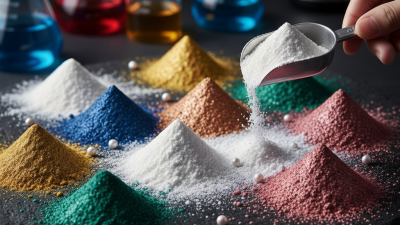
Pearl Pigment is a specialized colorant known for its soft, reflective shimmer. It is used to create depth, brightness, and a polished appearance across many products. Unlike ordinary dyes, it interacts with light rather than simply absorbing it. A small amount can make a white coating appear silky, or turn a dark surface into a subtle metallic finish. The effect depends on particle size, concentration, surface preparation, and viewing angle.

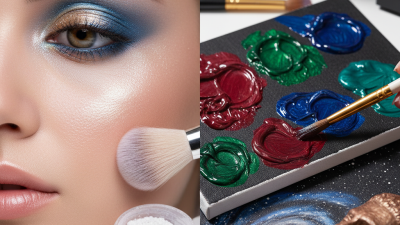
Manufacturers use Pearl Pigment in cosmetics, automotive coatings, decorative paints, plastics, printing inks, and craft materials. In eyeshadow, it can produce a fine sparkle when properly formulated for cosmetic use. In vehicle finishes, it may add a controlled glow that changes slightly as the car moves. Packaging designers often apply it to labels and containers for a more premium appearance. In paints and resin projects, it can create marble-like depth, satin highlights, or a gentle pearlescent sheen.

Quality and compatibility matter. Pigments intended for industrial coatings should not be used on skin or near the eyes. Always check technical data, safety information, particle specifications, and the supplier’s recommended application method. Results can vary more than expected, especially when lighting changes. That is easy to overlook. Testing a small sample first is practical, not excessive. I have found that excessive pigment often weakens clarity and makes the finish look cloudy. A balanced formulation usually appears more refined, even when the shimmer is barely noticeable. Therefore, understanding Pearl Pigment means evaluating both its visual impact and its safe, suitable use.

What Is Pearl Pigment Used For?

What Pearl Pigment Is and How Its Structure Creates Luster

Pearl pigment is a fine, plate-like material that creates a soft metallic glow. Most grades use mica coated with titanium dioxide or iron oxide. The coating controls reflected color. The mica provides the surface.

Light enters the transparent layer, reflects from the mica, and returns through the coating. These reflected waves interfere with one another. That interference produces shifting white, gold, blue, or violet tones. Particle thickness matters. So does viewing angle. A 20-micrometre particle can look noticeably different from a 100-micrometre grade. Small particles usually create satin effects, while larger particles create stronger sparkle.

The pigment is used in coatings, plastics, printing inks, cosmetics, and decorative surfaces. According to a 2024 Grand View Research estimate, the global effect pigments market reached roughly USD 1.1 billion in 2023, with continued growth expected through the decade. MarketsandMarkets has also projected steady expansion, supported by demand for visual effects in packaging, vehicles, and consumer products. These figures vary because reports define “effect pigment” differently. That weakness matters.

In formulation work, dispersion is critical. Poor wetting can leave dark specks or uneven flashes. Excessive shear may damage delicate platelets. A simple drawdown test under daylight and warm indoor light often reveals problems early. It is not perfect, though. Gloss, film thickness, binder clarity, and viewing angle can change the result. Formulators should verify color stability, particle safety, and local cosmetic or coating requirements before production.


How Pearl Pigment Produces Color, Shine, and Visual Depth

Pearl pigment is used to create color, shine, and visual depth in cosmetics, coatings, plastics, inks, and decorative materials. Its effect comes from thin, plate-like particles that reflect and transmit light. Unlike ordinary opaque pigments, these particles can make a surface appear luminous from within.

Light strikes each particle and splits into reflected and transmitted portions. Some wavelengths strengthen through interference, while others weaken. This produces soft silver, gold, blue, green, or shifting color effects. Particle size matters. Fine particles create a smooth satin glow, while larger particles produce stronger sparkle and sharper flashes. Viewing angle also changes the appearance.

In practical formulation work, dispersion is critical. Poor mixing can create streaks, dark spots, or uneven gloss. A transparent binder usually reveals more depth than a heavily colored base. A dark surface can intensify contrast, while a pale surface may create a gentler effect. Too much pigment can reduce clarity and make the finish look dusty. That is easy to overlook.

Quality depends on consistent particle size, clean processing, and suitable safety documentation. Cosmetic applications require materials tested for the intended use, while industrial products need checks for weathering, adhesion, and heat stability. Results can vary between batches. Careful sampling remains necessary.

Pearl Pigment Uses in Cosmetics, Personal Care, and Nail Products

What Is Pearl Pigment Used For?

Pearl pigments create soft, reflective color in cosmetics, personal care, and nail products. They usually contain mica or synthetic mica coated with mineral layers, such as titanium dioxide or iron oxides. Light reflects from these layers, producing shimmer, satin, or metallic effects.

In eyeshadow, blush, and highlighter, pearl pigment can create a fine glow instead of visible glitter. In lip products, smaller particles help form a smooth, polished finish. Personal care products also use it in creams, lotions, soaps, and body powders to add visual richness. The effect depends on particle size, coating, concentration, and the base formula. Too much pigment can feel rough or appear uneven.

The nail industry uses pearl pigment in polish, gel systems, and decorative coatings. It can create a pearl sheen, color shift, or chrome-like surface when applied over dark or light colors. Grand View Research estimated the global nail polish market at about 14.3 billion dollars in 2023, showing strong demand for decorative finishes. Its cosmetics market research also placed the global cosmetics market near 343.4 billion dollars in 2023. These figures suggest broad commercial interest, but they do not prove that every pigment performs well.

Practical testing remains essential. Check the supplier’s technical data, particle size, purity, and compatibility with the formula. Cosmetic use also requires reviewing applicable safety and labeling rules. A pigment may look beautiful in a sample jar, yet settle, clump, or lose shine during storage. That limitation is easy to overlook.

Pearl Pigment Applications in Paints, Plastics, Inks, and Coatings

What Is Pearl Pigment Used For?

Pearl Pigment Applications in Paints, Plastics, Inks, and Coatings

Pearl pigment creates a soft, reflective appearance through controlled light interference. It is widely used in decorative paints, automotive finishes, packaging inks, plastics, and protective coatings. Many grades contain mica flakes coated with mineral layers. Their color changes slightly as viewing angles shift.

In paint, the pigment can add depth to walls, furniture, and metal surfaces. Good dispersion matters. Poor mixing may create streaks or uneven sparkle. During production trials, technicians often adjust the pigment slowly into the base, avoiding aggressive shear that can damage platelet structure. A dark background usually strengthens the visual effect, while a white base produces a gentler glow.

Plastic manufacturers use pearl pigment in injection molding, films, and household components. Moisture control and heat stability require careful testing. Inks use it for labels, greeting cards, and premium printed details. Coatings may apply it to appliances, decorative panels, and industrial parts. Layer thickness also influences the result. Too little pigment looks weak. Too much can reduce flow and surface smoothness.

The effect is not always predictable. Lighting, viewing angle, resin color, and surface texture can change the final appearance. Small laboratory samples may look excellent, yet larger batches can reveal settling or shade variation. Reliable work therefore combines supplier documentation, test panels, microscope checks, and practical production experience. One overlooked issue is cleaning equipment thoroughly between colors. Residual pigment can quietly alter the next batch.

Typical Pearl Pigment Addition Levels by Application

Pearl pigments are used to create nacreous color, shimmer, and angle-dependent visual effects. Typical starting levels are about 5–15% in decorative paints, 0.5–2% in plastics, 5–20% in printing inks, and 5–15% in coatings. Actual dosage depends on particle size, binder system, opacity, and the desired effect.

How to Select, Mix, and Handle Pearl Pigment Safely

What Is Pearl Pigment Used For?

Pearl pigment creates soft shimmer, color depth, and metallic-like highlights. It is used in coatings, plastics, printing inks, cosmetics, crafts, and decorative surfaces. Mica-based particles reflect light through thin, layered structures. The result changes as the viewing angle moves. Select the pigment by particle size, base color, transparency, and compatibility with the binder. Fine particles create a smoother finish. Larger particles produce stronger sparkle but may settle faster.

Read the safety data sheet before opening the container. Check composition, dust hazards, recommended ventilation, and personal protective equipment. The NIOSH Current Intelligence Bulletin 63 lists titanium dioxide exposure limits of 2.4 mg/m³ for fine particles and 0.3 mg/m³ for ultrafine particles, measured as ten-hour time-weighted averages. These figures are not universal limits for every pearl pigment. Composition matters. Use local extraction, protective eyewear, and a suitable particulate respirator when airborne dust may form. Never blow spilled powder across a workbench.

Mix slowly. Add pigment into the liquid binder under gentle agitation, rather than dumping it into one spot. A clean spatula helps break soft clumps. Test a small batch first, because excessive shear can change appearance or create foam. Keep containers closed and label every mixture. The easy mistake is trusting appearance alone. A sample may look even while particles settle overnight. Stir again, inspect the bottom, and record the mixing ratio. OSHA’s Hazard Communication Standard supports accessible labels and safety information, but practical judgment is still needed. Some handling decisions remain imperfect. Recheck them.

What Is Pearl Pigment Used For? — How to Select, Mix, and Handle Pearl Pigment Safely
Data Dimension Typical Information Selection Guidance Mixing and Safe-Handling Notes
Basic Composition Pearl pigments are commonly made from transparent plate-like mineral particles, such as mica, coated with light-reflective materials including titanium dioxide or iron oxides. Choose a pigment according to the required opacity, color travel, brightness, and compatibility with the intended medium. Review the product safety data sheet and technical data sheet before use. The exact composition and hazards vary by product.
Cosmetics and Personal Care Used to create shimmer, satin, metallic, and pearlescent effects in products such as eye products, powders, lotions, soaps, and decorative body products. Use only material specifically documented for the intended cosmetic application and area of use. Eye-area and lip-area requirements may differ. Avoid using industrial or craft-grade pigment on skin. Prevent airborne dust, and follow applicable cosmetic regulations and ingredient restrictions.
Paints, Coatings, and Inks Used for decorative finishes, automotive-style effects, architectural coatings, printing inks, and artist paints. Select a grade compatible with the resin, solvent or water system, gloss level, and required weathering performance. Disperse gently to avoid breaking the plate-like particles. Excessive shear can reduce orientation and change the visual effect.
Plastics and Polymers Used to add pearlescent or metallic visual effects to molded, extruded, or cast plastic parts. Check thermal stability, moisture sensitivity, color strength, and suitability for the processing temperature. Use the recommended addition rate for the specific polymer. Poor dispersion can cause streaks, specks, or uneven appearance.
Crafts and Decorative Materials Used in resin art, candles, handmade paper, clay, decorative coatings, and other non-food creative projects. Choose a pigment designed for the selected medium. Fine particles generally create a smoother satin effect, while coarser particles often provide stronger sparkle. Test a small sample first. Do not use pigment in food, beverages, or products that may be ingested unless it is explicitly approved for that purpose.
Particle Size Common commercial grades may range from approximately 10 to 200 micrometres, although the available range depends on the material and application. Smaller particles often produce a smoother, more satin-like appearance. Larger particles can create stronger sparkle, glitter, or texture. Particle size does not by itself determine safety. Avoid creating dust and use suitable respiratory protection when the risk assessment or safety data sheet requires it.
Color and Optical Effect Available effects include white pearl, silver, gold, bronze, interference, color-shifting, and transparent tinted effects. Use white or silver pearl for bright reflective effects, interference grades for color changes over light or dark bases, and tinted grades for stronger body color. Test the pigment over the actual base color. Interference effects can appear weak over light backgrounds and more vivid over dark backgrounds.
Recommended Starting Addition Many non-cosmetic systems are initially tested at about 1% to 5% pigment by total formula weight, but the appropriate level can vary widely. Start at a low level and increase gradually until the desired appearance is reached. Follow the supplier's stated maximum and application guidance. Measure by weight for repeatability. Record the formula, mixing time, temperature, and observed finish for future batches.
Mixing Method Pearl pigment is usually incorporated into a compatible liquid binder, resin, coating, ink, or cosmetic base. Pre-wetting with a compatible portion of the base can help reduce floating powder and improve uniformity. Add the powder slowly while mixing at a moderate speed. Avoid pouring quickly, which can create airborne dust and agglomerates.
Dispersion Quality Good dispersion produces consistent color and reflectivity. Poor dispersion can cause clumps, streaks, settling, or uneven gloss. Evaluate the mixture on the final substrate or in the final package because visual appearance depends on film thickness, surface smoothness, and viewing angle. Use only the amount of shear needed for uniformity. Excessive grinding or milling may damage the reflective particle structure.
Settling and Storage Stability Because many pearl particles are relatively dense, they may settle during storage, especially in low-viscosity systems. Select a suitable rheology modifier or suspension system only if it is compatible with the formula and end use. Check whether the product can be safely re-mixed. Keep containers tightly closed, dry, and protected from contamination and excessive heat.
Personal Protective Equipment Potential exposure routes include inhalation of dust, eye contact, and skin contact during weighing or transfer. Use the controls specified in the safety data sheet and workplace risk assessment. Wear protective eyewear, suitable gloves, and protective clothing. Use local exhaust ventilation or a suitable particulate respirator when dust may be generated.
Cleaning and Spill Control Dry pigment can become airborne during sweeping, compressed-air cleaning, or careless pouring. Use procedures that minimize dust and prevent the material from entering drains or waterways. Avoid dry sweeping and compressed air. Collect spills with a suitable vacuum or damp method when compatible with the material, and dispose of waste according to local requirements.
Compatibility Testing Pearl pigments can behave differently in water-based, solvent-based, oil-based, silicone, resin, and polymer systems. Check wetting, suspension, color stability, chemical resistance, temperature resistance, and surface adhesion before full-scale production. Perform a small-batch test under actual processing conditions. Keep the test sample for comparison after drying, curing, or aging.
Key Safety Rule The phrase “pearl pigment” does not describe one single substance or one universal safety profile. Base every decision on the exact product documentation, intended use, formulation, and applicable regulations. Never assume that a pigment suitable for paint, crafts, or plastics is automatically suitable for cosmetics, food contact, inhalation exposure, or medical use.