How to Use Mica Powder for Soap Making Effectively?
Mica powder for soap has gained significant traction in the artisan soap-making community. According to a report by the Specialty Chemicals Market Analysis, the demand for mica powder in personal care items is expected to grow by 5% annually. This is attributed to its appealing aesthetic qualities and natural sourcing. Expert Julie Smithson, a leading figure in the cosmetics industry, states, "Mica powder for soap can elevate the visual appeal of any product, but it requires knowledge and precision."
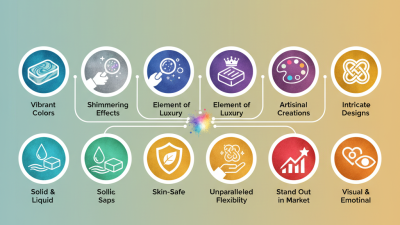
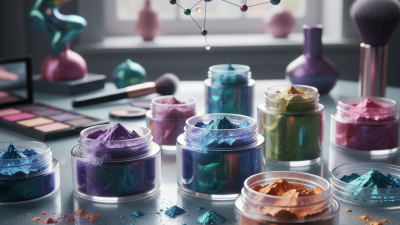
Artisans are increasingly drawn to the vibrant colors that mica powder can bring to their soap creations. It's essential to understand how to use it effectively to avoid common pitfalls. While its benefits are clear, challenges like achieving color consistency and preventing clumping can arise. These issues remind soap makers that mastery takes time and practice.
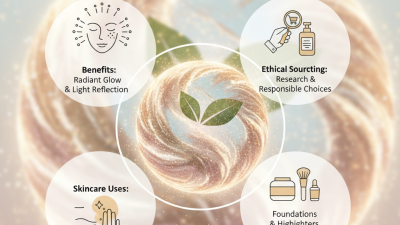
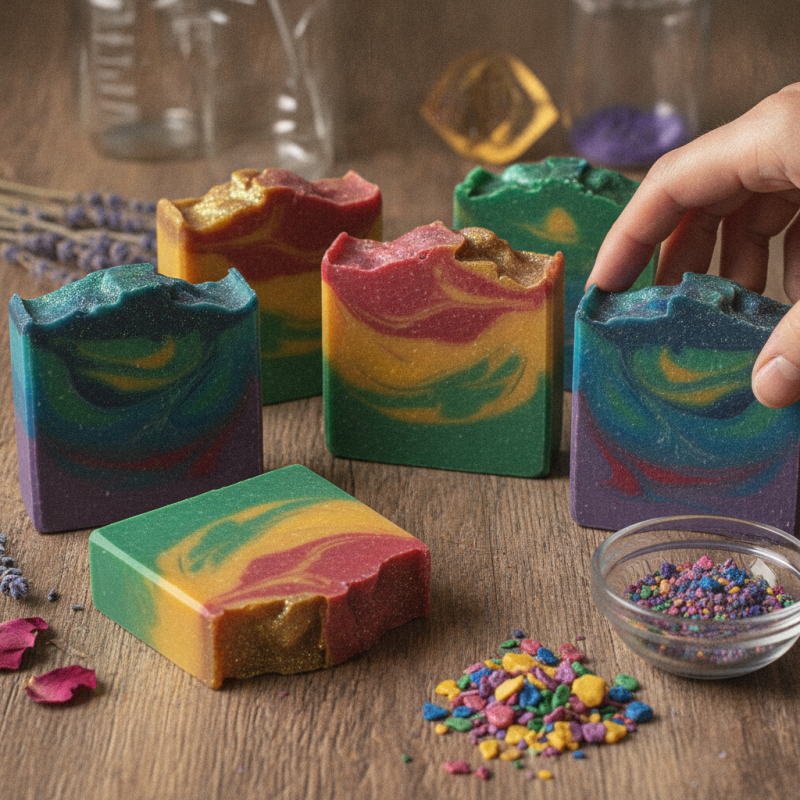
Mica powder’s versatility extends beyond just color. It can also enhance texture and shimmer, adding allure to finished products. However, balancing aesthetics with safety is paramount. Not all mica powders are created equal, and ethical sourcing remains a critical factor. As makers explore this trend, their ability to create stunning soaps hinges not only on creativity but also on informed choices about mica powder for soap.
Understanding Mica Powder: What It Is and Its Benefits for Soap Making
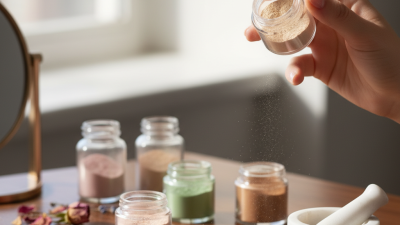
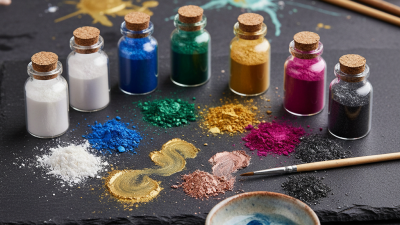
Mica powder is a natural mineral used widely in soap making. Its shimmering properties enhance the aesthetic appeal of soaps. This mineral, composed mainly of silicon, oxygen, and various metals, can be found in various colors. Reports indicate that the global mica market is projected to reach $1.7 billion by 2027, highlighting its significance in crafts and retail.
Using mica in soap making adds vibrant colors without harmful effects. It is non-toxic and skin-safe when used correctly. Additionally, mica powder can help in creating a visually appealing product, attracting customers. According to the Cosmetic Ingredient Review, mica is considered safe for use in cosmetics, further boosting its reliability.
When using mica powder, start with small amounts. Gradually increase until the desired hue is achieved. Remember, too much mica can make your soap gritty. Ventilation is crucial when mixing to reduce inhalation risks. Always check for quality and source to avoid impurities.
Experimentation can yield unique results, but it may lead to unexpected outcomes. Be prepared to adjust formulations. Maintaining records of successful combinations is essential for future projects. This practice helps in honing skills while achieving consistent quality in soap making.
Choosing the Right Mica Powder: Tips for Quality and Compatibility
Choosing the right mica powder for soap making is crucial for achieving vibrant colors and high-quality results. When selecting mica, consider its origin and purity. According to a 2022 industry report, high-quality mica sourced from reputable suppliers enhances color saturation and consistency. Not all mica powders are created equal; some may contain impurities that affect the soap’s appearance and feel.
Look for mica that is labeled as non-toxic and suitable for cosmetics. This is essential for ensuring your soap is safe for the skin. The industry standards recommend checking for certifications, as they indicate the quality and safety of the product. You might wonder about compatibility with various soap bases. Not all mica powders disperse evenly in all formulations. It often takes experimentation to find the right balance.
Keep in mind that certain micas may fade over time, so it's important to test how your chosen mica performs during curing. However, the beauty of soap making lies in trial and error. Embracing imperfections can lead to unique and unexpected results. Consider documenting your processes and outcomes for future reference. You may find that not all attempts yield the desired effect, but this reflection is part of the craft.
Achieving Color Variation: Mixing Mica with Other Soap Ingredients
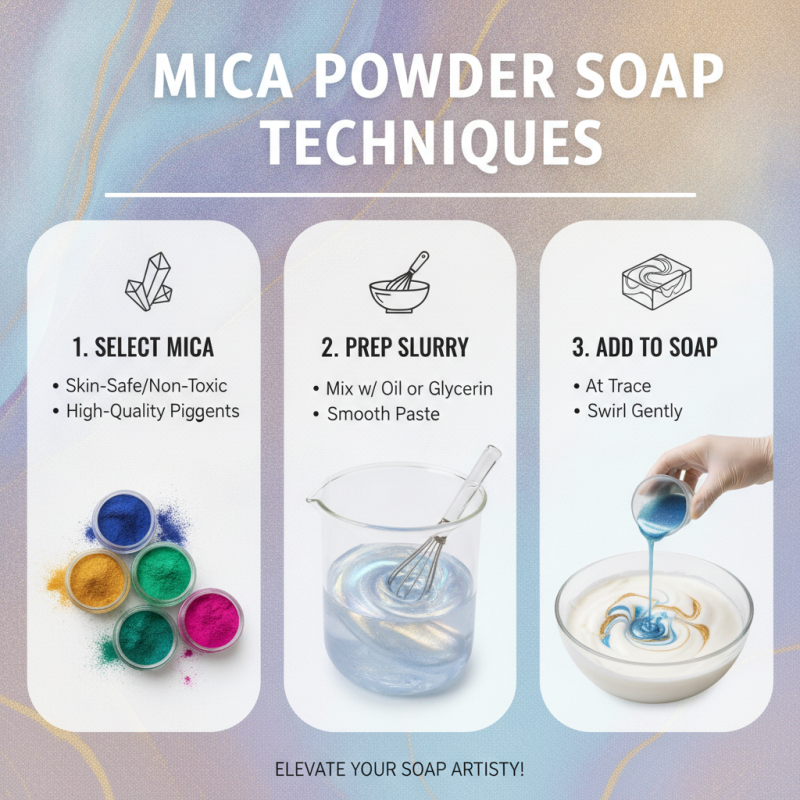
Mica powder is a popular choice for soap makers aiming to achieve vibrant colors. Mixing mica with other ingredients can enhance the soap's aesthetic appeal. For instance, combining mica powder with oils can create unique textures and deepen color intensity. A report by the Specialty Chemical Association indicates that color additives, like mica, are vital for consumer appeal in handmade soaps.
When mixing mica with soap bases, consider the different properties of each ingredient. For example, if you blend mica with glycerin, the result can be a shimmering effect that catches the light. However, excessive mica can lead to a grainy texture. This is something many soap makers learn through trial and error. Observing how your mixtures behave is essential for mastering color variation.
Additionally, some mica powders may not disperse evenly in water-based solutions. This can lead to patchiness in color. It’s advised to experiment with small batches first. Industry insights suggest that a well-balanced ratio of mica and other ingredients is crucial. The ideal mixture often requires refining and adjustments. Making soap is as much an art as it is a science. Each batch offers a chance to learn and improve.
Safety Precautions when Working with Mica Powder in Soap Making
When working with mica powder in soap making, safety is essential. Mica is finely powdered minerals, and while it is non-toxic, it can be irritating when inhaled. Always wear a mask to protect your lungs. Gloves are crucial too. They keep your skin safe from stains and irritation.
Ensure your workspace is well-ventilated. Dust can linger in the air and settle on surfaces. Using a dust mask and goggles helps shield your eyes and prevent respiratory issues. You may feel tempted to skip these safety measures, but they are vital to protect your health.
Storing mica powder properly is also important. Keep it in a tightly sealed container, away from moisture. Check for signs of clumping, which can affect your soap's color. Measure carefully and avoid spills to minimize waste. Remember, taking shortcuts can lead to unsatisfactory results. Always prioritize safety to ensure a pleasant soap-making experience.
Usage of Mica Powder in Soap Making