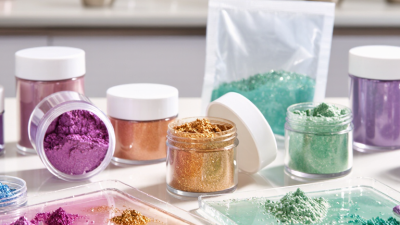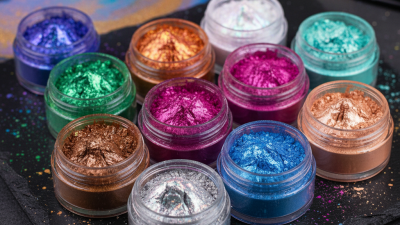
Pearlescent Pigment is a specialty colorant that creates a soft, reflective glow rather than a flat block of color. It appears in automotive coatings, plastics, printing inks, packaging, cosmetics, and decorative paints. Under a lamp, tiny flakes can shift from silver to gold, pink, or green as the viewing angle changes. The effect feels almost magical. It is still carefully engineered.
Industry expert Dr. Andreas Hennig describes the principle clearly: “Pearlescent pigments create visual depth by controlling how light reflects from layered particles.” This explanation highlights their key structure. Many products use mica or synthetic mineral flakes coated with materials such as titanium dioxide or iron oxide. Particle size, coating thickness, orientation, and surface quality influence brightness, transparency, and color travel. A paint technician may notice the difference immediately. One batch can look cloudy. Another can appear brilliantly luminous.
This guide examines what Pearlescent Pigment is, how it produces its characteristic shimmer, and where manufacturers use it. It also considers practical issues, including dispersion, settling, surface alignment, color consistency, and substrate compatibility. These details matter more than attractive color charts suggest. A pigment that performs beautifully in a lacquer may look weak in plastic or uneven in ink.
The subject is not completely simple. Lighting changes perception. Application methods introduce variation. Even experienced formulators sometimes need several trials before achieving the intended finish. That uncertainty deserves attention, because reliable results depend on testing, technical specifications, and responsible material selection.

What Is Pearlescent Pigment and How Is It Used?
Pearlescent pigment is a layered material that creates a soft, pearl-like reflection. Its basic structure usually combines mica, silica, or another platelet substrate with a thin metal-oxide coating. Titanium dioxide is widely used for white, silver, and interference effects. Iron oxide can add bronze, red, or golden tones. The coating thickness changes how light reflects and refracts across each particle.
The flakes are tiny.
According to the 2024 European Chemicals Agency substance information, titanium dioxide is commonly supplied as a fine, engineered powder with controlled particle properties. Industry market reports also identify coatings, plastics, printing inks, and cosmetics as major application areas. Published forecasts differ widely, partly because analysts classify effect pigments differently. That inconsistency deserves attention.
In practical use, pigment selection depends on particle size, transparency, surface treatment, and shear resistance. Coarse particles can create stronger sparkle on a molded plastic surface. Finer particles usually produce smoother, satin-like effects. A 2023 technical review in Progress in Organic Coatings notes that platelet orientation strongly affects gloss and color travel. Poor dispersion may leave visible streaks, especially in clear resin or water-based ink.
A careful formulator tests the pigment in the final system. Laboratory appearance can change after drying, curing, or extrusion. This is where simple assumptions fail. Reference data helps, but hands-on testing remains necessary.
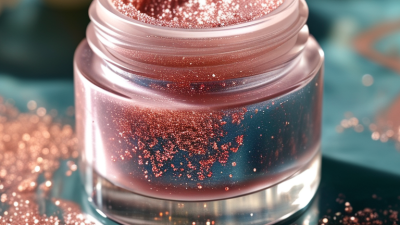
Pearlescent pigment is a fine, plate-like material that creates a soft, luminous appearance. It usually contains mica, synthetic mineral flakes, or another transparent substrate coated with metal oxides. Unlike ordinary colorants, it does not simply absorb and release light. Its reflective appearance comes from controlled light reflection and interference across layered surfaces.
When light reaches a pigment flake, part of it reflects from the outer coating. Another part travels through the coating and reflects from a lower boundary. These light waves can reinforce each other, producing a pearl-like glow. Angle changes everything. As the viewing position shifts, the reflected light changes, so the surface may appear brighter, darker, warmer, or cooler. Smaller particles create a smoother satin effect. Larger particles produce stronger sparkle. The coating thickness also influences the visible color and brightness.
In practical coating work, dispersion is critical. Pigment flakes should remain evenly distributed rather than crushed or heavily agitated. Excessive shear can reduce their reflective quality. A smooth base helps the flakes align and return light consistently. Surface texture matters too; a rough film can scatter light and weaken the pearlescent effect. Quality checks should include daylight, directional lighting, and several viewing angles. Instrument readings are useful, but they cannot fully describe what the eye sees. Results can still surprise. That is why experienced formulators often adjust particle size, concentration, and binder compatibility through repeated testing.
What Is Pearlescent Pigment and How Is It Used?
Main Types and Material Properties of Pearlescent Pigment
Pearlescent pigment creates a soft, reflective glow through controlled light interference. Its effect comes from transparent platelets coated with high-refractive-index materials. Most grades use mica, synthetic mica, glass flakes, or alumina as the substrate. Each base produces a different visual response.
Mica-based pigment offers balanced brightness, coverage, and processing stability. Synthetic mica usually provides cleaner color and stronger transparency. Glass-flake pigment can create sharper sparkle, especially in clear coatings. Alumina-based grades often deliver intense reflection and high brilliance. These materials are not interchangeable in every formula.
Particle size strongly affects appearance and handling. Small particles create a smooth, satin-like sheen. Large flakes produce visible sparkle but may settle faster. Refractive index controls the strength of reflected light. Platelet orientation also matters. Poor dispersion can make the surface look cloudy or uneven.
Material compatibility requires practical testing. In waterborne coatings, surface treatment can improve wetting and storage stability. In plastics, thermal resistance and shear stability become more important. Cosmetic applications require suitable purity, particle control, and regulatory review. A common mistake is choosing pigment by color alone. The carrier system, film thickness, and drying speed can change the final effect. No pigment behaves perfectly in every formulation. Small trials matter.
| Pigment Type | Typical Structure | Main Optical Effect | Key Material Properties | Common Applications | Important Formulation Considerations |
|---|---|---|---|---|---|
| Natural Mica-Based | Thin platelets of natural mica coated with a transparent or semitransparent metal-oxide layer, commonly titanium dioxide or iron oxide. | Soft pearlescence, satin luster, interference colors, or metallic reflections depending on coating thickness. | Good chemical stability, platelet morphology, moderate hiding contribution, and broad compatibility with coatings, plastics, and printing systems. | Decorative coatings, printing inks, plastics, cosmetics, packaging, and craft materials. | Particle orientation strongly affects brilliance. Excessive shear or poor dispersion can reduce the visible effect. |
| Synthetic Fluorphlogopite-Based | Laboratory-produced mica-like platelets with controlled composition, coated with metal oxides. | Brighter, cleaner, and more uniform pearlescence than many natural mica grades; strong interference effects are possible. | High purity, consistent platelet geometry, smooth surface, and good color clarity. Often selected when reproducibility is important. | Premium coatings, plastics, cosmetics, personal-care products, specialty inks, and decorative laminates. | Requires careful control of loading, dispersion energy, and film thickness to preserve optical uniformity. |
| Glass Flake-Based | Flat, transparent glass platelets coated with one or more reflective or refractive oxide layers. | High brilliance, strong sparkle, mirror-like reflection, and pronounced color travel in suitable designs. | Smooth platelet surface, high transparency, strong light reflection, and good visual depth. | Automotive and industrial coatings, decorative plastics, premium packaging, signage, and specialty printing. | The relatively hard particles may require suitable mixing equipment and controlled processing to avoid excessive breakage. |
| Alumina Flake-Based | Synthetic aluminum-oxide platelets with optical coatings, often designed for high-reflectivity effects. | Very bright metallic luster, intense sparkle, and high visual depth. | High hardness, excellent thermal resistance, strong reflectivity, and good resistance to many chemicals. | High-performance coatings, automotive finishes, decorative plastics, and premium visual effects. | Higher hardness can increase equipment wear; formulation viscosity and settling behavior should be evaluated. |
| Silica Flake-Based | Synthetic silica platelets engineered with reflective or interference coatings. | Bright luster, clean interference colors, and a glass-like visual appearance. | High transparency, controlled particle shape, good temperature resistance, and low inherent color contribution. | Specialty coatings, decorative inks, plastics, cosmetics, and visual-effect surfaces. | Optical performance depends on platelet alignment, coating uniformity, and the transparency of the surrounding binder. |
| Metal-Oxide Coating Family | A platelet substrate coated with titanium dioxide, iron oxide, or other compatible metal oxides. | White, silver, gold, bronze, copper, colored, or interference pearlescence based on coating chemistry and thickness. | Optical color is governed by light reflection, refraction, and interference rather than by conventional absorption alone. | Paints, inks, plastics, cosmetics, architectural finishes, and decorative consumer products. | Select the coating type and thickness according to the desired hue, opacity, sparkle, and substrate color. |
Pearlescent pigment creates a soft, shifting glow by reflecting light from thin, layered particles. Unlike ordinary colorants, it can change appearance as the viewing angle changes. This effect depends on particle size, coating quality, surface smoothness, and the surrounding material.
In cosmetics
pearlescent pigment appears in eyeshadows, highlighters, lip products, and body lotions. Fine particles create a gentle sheen, while larger particles produce stronger sparkle. Formulators must check skin compatibility, color consistency, and how the pigment feels during application. A beautiful sample can perform poorly in a finished formula.
Paint and coating manufacturers
use it on vehicles, walls, furniture, and decorative objects. On a smooth door, the pigment may produce a calm satin reflection. On textured plastic, the same pigment can look uneven. That difference matters. Testing under daylight, indoor lighting, and angled viewing helps reveal unexpected changes.
The packaging industry
uses pearlescent effects on paper, plastic containers, labels, and molded components. These surfaces often need both visual appeal and stable processing performance. Ink viscosity, drying conditions, and printing pressure can affect the final appearance. Small adjustments matter.
Pearlescent pigment also supports
artistic materials, craft coatings, 3D printing compounds, and selected household products. However, it is not automatically suitable for every application. Some particles settle quickly. Others may lose brilliance when mixed too aggressively. Practical trials, technical data, and controlled quality checks remain essential. Perfect uniformity is difficult. That is worth acknowledging.
What Is Pearlescent Pigment and How Is It Used?
Pearlescent pigment creates a soft, shifting glow through reflected and refracted light. Its layered particles often contain mica or synthetic substrates coated with metal oxides. Particle size controls the visual result. Fine grades provide smooth satin color, while larger grades create visible sparkle and stronger flash.
Selecting the right pigment requires more than choosing a shade. Check particle size, transparency, heat resistance, lightfastness, and chemical compatibility. The base material matters too. A pigment for water-based paint may behave poorly in plastic or solvent-based coatings. Always review technical data and conduct a small trial. In a practical test, mix the pigment slowly into the binder, then inspect a dry sample under direct and angled light. Wet color can mislead.
Dispersion affects both appearance and performance. Excessive shear may damage delicate effects, while weak mixing can leave streaks or floating particles. Start with the supplier’s recommended dosage and adjust gradually. A little can be enough. Clean equipment prevents unwanted color contamination, especially in pale finishes. One common mistake is chasing maximum sparkle; the surface may then look uneven or artificial. Another lesson is less comfortable: a successful laboratory sample may fail during production because temperature, viscosity, or application thickness changes. Record each trial carefully, including mixing time and film thickness. Use suitable protective equipment and follow the pigment’s safety documentation.
Pearlescent pigments are platelet-shaped particles that create pearl, satin, shimmer, or sparkle effects by reflecting and transmitting light. Particle size is a key factor when selecting the visual effect and application method.
The chart shows typical industry particle-size ranges. Fine particles generally produce a smoother satin appearance, while larger particles create stronger sparkle and visual texture. Actual performance varies with pigment structure, concentration, binder, film thickness, and application process.