Mica Powder for Soap Making How to Choose the Best Type?
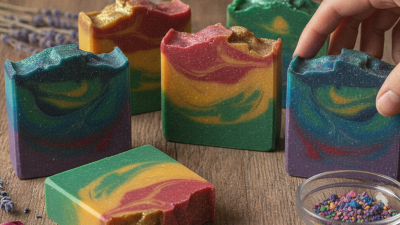
In the world of handmade soap, choosing the right ingredients can make a significant difference. Mica powder for soap stands out as a popular choice among artisanal soap makers. According to renowned soap-making expert, Sarah Johnson, "The right mica powder can elevate your soap's visual appeal tremendously."
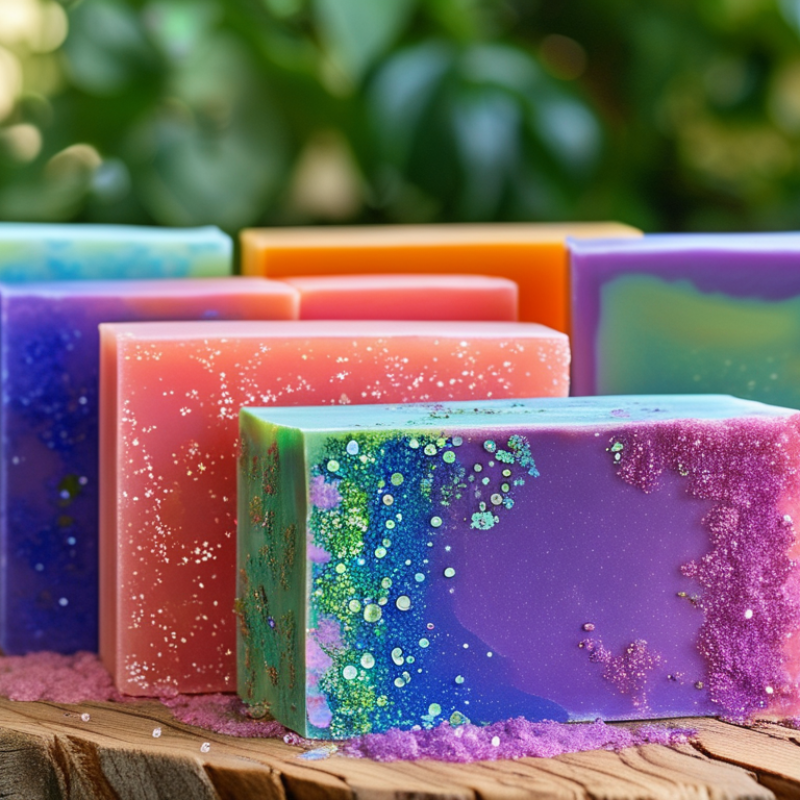
Mica powder adds vibrant colors and alluring shimmer to soaps, enhancing their marketability. However, selecting the best type can be overwhelming. Factors like quality, safety, and eco-friendliness require careful consideration. Different mica powders vary in particle size and composition, affecting both appearance and feel.
Not all mica powders are created equal. Some may contain additives that can irritate the skin. Research is crucial when considering which mica powder for soap will best suit your needs. Experimenting with various brands and types may lead to unexpected results—both good and bad. Finding the perfect match for your creation is often a journey filled with trials.
Understanding Mica Powder: What is It and Why Use It in Soap Making?
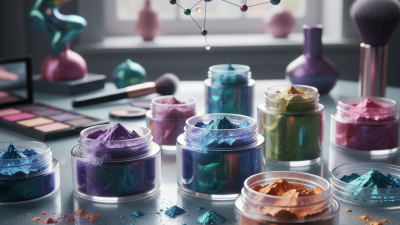
Mica powder is a natural mineral used in soap making. This powder adds color and shimmer to your products. It is important for both aesthetics and user experience. Crafters love mica due to its wide range of colors. You can find shades from soft pastels to vibrant hues. The right shade can enhance the appeal of handmade soaps.
When choosing mica powder, consider its source. Natural, cosmetic-grade mica is the best choice. This type is safe for skin use. Unfortunately, not all mica is created equal. Some may contain impurities or synthetic additives, which can be harmful. Always check product descriptions and certifications carefully.
Mica can sometimes fade or change over time in soaps. This unpredictability can be frustrating for creators seeking consistency. Testing your mica in small batches is essential. Observe how it performs in different formulas. It may take time to find the perfect blend, but the results are often rewarding. Experiment with proportions and combinations. This process can deepen your understanding of colorants in soap making.
Types of Mica Powder: Natural vs. Synthetic for Soap Crafting
When crafting soaps, choosing the right mica powder is crucial. The main types are natural and synthetic mica powders. Natural mica is sourced directly from the earth. It offers beautiful, shimmering effects with rich variations in color. It is often favored for its eco-friendly appeal. Industry reports indicate that natural mica, if sourced responsibly, can enhance the artisanal quality of soaps.
Synthetic mica, on the other hand, is created in a lab. This type offers consistent color and texture, making it reliable for crafters seeking uniform results. According to the Soap and Cosmetic Industry Association, synthetic mica can resist fading better than its natural counterpart. This means colors maintain vibrancy over time. However, some crafters express concerns about the environmental impact of synthetic production methods.
Tips: When selecting mica powder, consider your soap's intended use. For decorative soaps, natural mica is great for a unique touch. For daily-use soaps, synthetic might be more practical. Remember, testing small batches is wise. Evaluate how each type reacts in your formulations. This approach allows for informed adjustments to enhance your soap’s final appearance and performance.
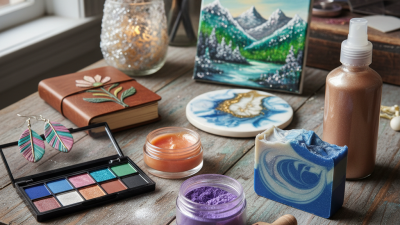
Mica Powder Types for Soap Making
Factors to Consider When Choosing Mica Powder for Soap Making
When selecting mica powder for soap making, several factors influence the decision. The color of the mica is crucial. It impacts the overall aesthetics of the soap. Mica comes in various shades. Choosing vibrant colors can enhance the visual appeal. Subtle shades, like pastels, offer an elegant touch. Each color interacts differently with soap ingredients.
The particle size of mica powder also matters. Finer powders blend smoothly into the soap, creating a uniform look. Coarser particles might add texture, which can be appealing. However, they can also lead to uneven coloring. Thinking about the desired finish is essential. A shimmering effect can elevate the product. It’s important to test various sizes and see what works best.
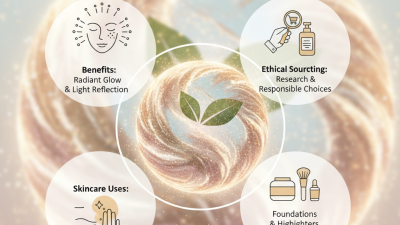
Additionally, consider the source of mica powder. Sustainable and ethically sourced materials are vital. Not all suppliers prioritize responsible mining practices. It's essential to research the supplier's reputation. Transparency about their sourcing can build trust. Engaging with other soap makers can provide insights into their experiences. We must reflect on our choices to ensure we create responsibly and beautifully.
How to Achieve Desired Colors and Effects with Mica Powder
When using mica powder in soap making, achieving the desired colors and effects can be a delightful experience. Mica powder comes in various colors and finishes, from shimmery sparkles to matte shades. To create vibrant hues, consider mixing different colors. Darker bases often yield more intense colors. Experiment with layering for added depth.
Tips: Always start with a small amount of mica to gauge the color. Sometimes less is more. You can easily mix in more to enhance the shade. Remember, some micas may bleed or shift during the saponification process.
Choosing the right type of mica is crucial. Look for cosmetic-grade micas to ensure safety on the skin. Yet, not all micas behave the same way in soap. Some may clump, while others disperse beautifully. Test different brands to find the right fit for your projects.
Try incorporating mica powder at different stages of the soap-making process. Adding it to the oils can yield a softer effect, while mixing it into the lye solution might produce a bolder look. Don't hesitate to adjust your technique as you learn more about how micas perform. The journey can be as colorful as the soap you create.
Safety Tips for Using Mica Powder in Your Soap Making Process
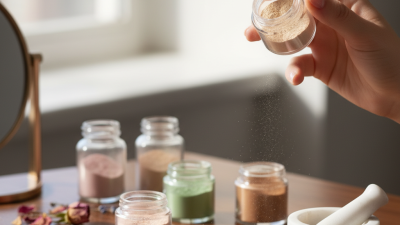
When using mica powder in soap making, safety is paramount. Mica is a natural mineral. However, improper handling can pose risks. Ensure you work in a well-ventilated area. Dust from mica powder can irritate your lungs and eyes. Always wear a mask while measuring and mixing.
Keep your workspace organized. Spills can happen, leading to slippery surfaces or contamination. Use a clean, dedicated area for your soap making activities. Store mica powder in airtight containers to avoid dust accumulation.
Consider skin sensitivity. Although mica is generally safe, some people might react. Always perform a patch test on your skin before incorporating it into your soap. This simple step can prevent unwanted reactions later. Remember, your safety and comfort are essential in the creative process.