How to Choose the Best Mica Powder for Skin Care Use?
Choosing the right mica powder for skin care can be challenging. The beauty market offers numerous options. Each mica powder has unique properties. Selecting the best one requires careful consideration.
Mica powder for skin adds a natural shimmer. It enhances the appearance without harmful chemicals. However, not all mica powders are created equal. Some may contain additives that irritate the skin. This highlights the importance of examining product labels closely.
It’s essential to prioritize safety. Look for high-quality, cosmetic-grade mica. Research the brand's reputation and sourcing practices. Transparency is crucial in the beauty industry. Not all sellers provide this information. Always challenge yourself to seek reliable sources. This journey of discovery can sometimes feel overwhelming. Yet, the right choice can elevate your skin care routine.
Understanding Mica Powder and Its Benefits for Skin Care
Mica powder is a natural mineral used in skin care. It is prized for its shimmering effect and lightweight texture. Mica reflects light, creating a radiant glow on the skin. Many beauty enthusiasts prefer it in their products for this reason. The powder can enhance the appearance of your complexion, adding depth and dimension.
Using mica in skin care isn't just about aesthetics. It also offers discreet benefits. Mica can help absorb excess oil, making it great for combination skin types. Some users note that it feels cooling on the skin, providing a refreshing touch during application. However, not all mica powders are created equal; the source and quality matter. Low-quality mica can lead to skin irritations.
When selecting mica powder, consider the particle size. Finer particles can create a smoother finish. Educate yourself about the various grades of mica, as purity affects performance. Some products may contain additives that lessen their skin-friendly properties. Be mindful of this when making choices. In the end, the right mica powder can elevate your routine, but it’s essential to do thorough research.
Identifying Different Types of Mica Powder Used in Cosmetics
Mica powder is a popular ingredient in cosmetics for its shimmering qualities. When selecting mica powder for skin care, it's important to understand the different types available. There are several varieties, including natural and synthetic mica. Natural mica is sourced from minerals and is generally softer on the skin. Synthetic mica, on the other hand, offers consistency in color and texture.
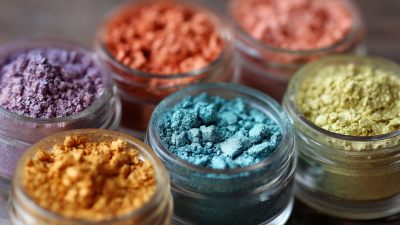
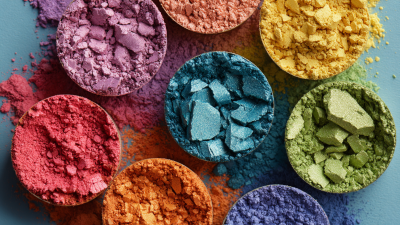
Color variations are another key aspect. Mica powders can be found in a range of hues, from iridescent whites to rich golds and deep purples. Each color serves a specific purpose in formulations, enhancing not just appearance but also skin benefits. Yet, choosing the right shade can be tricky. Some colors may not play well with certain skin tones or formulated products.
It’s essential to know your skin type and any sensitivities. For example, some individuals might react to specific pigments. Always perform a patch test before full application. The source of the mica also matters. Mica sourced from responsible suppliers often ensures ethical practices and quality control. Not all mica powders are created equal; some may contain impurities or be poorly processed.
How to Choose the Best Mica Powder for Skin Care Use? - Identifying Different Types of Mica Powder Used in Cosmetics
| Type of Mica Powder |
Color |
Particle Size |
Ideal Uses |
Skin Type Compatibility |
| Pearlescent Mica |
White to Cream |
Fine |
Highlighters, Eye Shadows |
All skin types |
| Synthetic Fluorphlogopite |
Various Colors |
Micronized |
Lip Products, Foundations |
Sensitive skin |
| Iron Oxide Mica |
Red, Yellow, Black |
Coarse to Fine |
Mineral Pigments, Blushes |
Normal to Oily skin |
| Cosmetic Mica |
Varies by Type |
Medium |
Face Powders, Shimmer Products |
Dry to Combination skin |
| Natural Mica |
Earthy Shades |
Varied |
Eyeshadows, Body Shimmers |
All skin types |
Evaluating Quality: What to Look for in Mica Powder for Skin Use
When selecting mica powder for skin care, quality is paramount. The purity and particle size significantly influence the product's effectiveness. High-quality mica should be finely milled to ensure a silky application. Micronized particles create a smooth finish on the skin. According to industry reports, finely milled mica enhances adhesion without irritating the skin.
Another critical factor is the source of mica. Ethical sourcing is vital for skin care products. Some mica production involves unethical labor practices, raising concerns. Consumers should seek suppliers who provide transparency in their sourcing practices. This not only impacts the quality but also promotes responsible consumption.
Color additives in mica powders could be misleading. While vibrant shades may attract attention, potential allergens may exist. A study indicated that certain colorants can cause sensitivity in some individuals. Reading ingredient labels is essential to avoid unwanted reactions. Understanding these factors ensures a better choice for skin-friendly products.
How to Choose the Best Mica Powder for Skin Care Use?
Safety Considerations: Ensuring Mica Powder is Skin-Friendly
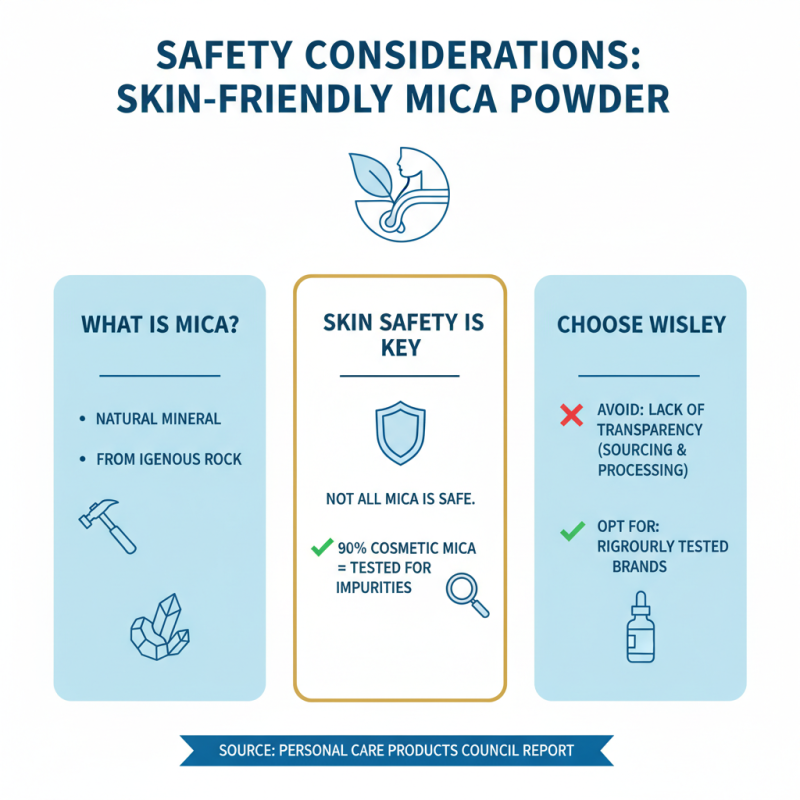
When selecting mica powder for skincare, safety is paramount. Mica is a naturally occurring mineral often extracted from igneous rock. Not all mica powders are safe for use on the skin, though. According to a report from the Personal Care Products Council, around 90% of mica used in cosmetics undergoes rigorous testing for impurities. Avoid powders that lack transparency in sourcing and processing.
Check for certifications that ensure the mica is free from contaminants like heavy metals. The Skin Deep database notes that some mica products have been linked to skin irritation or allergic reactions. Conduct a patch test before applying any new product, especially if your skin is sensitive.
It's essential to consider the environmental impact of mica mining. Reports from NGOs reveal unethical practices in some regions, leading to unsafe working conditions. Prioritize brands that commit to sustainable sourcing. While the allure of shiny, vibrant colors can be tempting, ensure that your choice promotes safety and ethical practices.
Choosing the Right Shade: Matching Mica Powder to Your Skin Tone
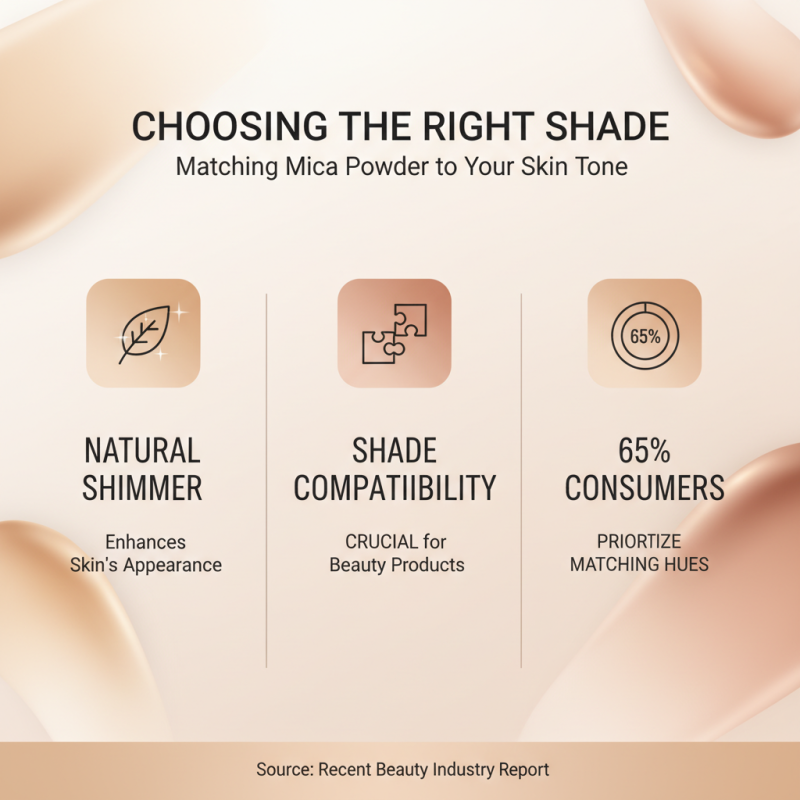
When selecting mica powder for skin care, matching the right shade is crucial. Mica powder offers a natural shimmer and can enhance the skin’s appearance. According to a recent beauty industry report, 65% of consumers prioritize shade compatibility when purchasing cosmetic products. This highlights the importance of selecting hues that complement your skin tone.
Understanding your skin undertone can help you choose mica shades effectively. For example, warm undertones often pair well with gold or peach mica shades. In contrast, cool undertones benefit from silver or blue-toned micas. A study from the Journal of Cosmetic Science indicates that misaligned shades can lead to an unflattering appearance, with nearly 50% of users dissatisfied with products that don’t match their complexion.
Experimentation is essential. Many users report buying multiple shades before settling on the perfect match. This trial and error can be frustrating, but it allows for personal expression. Don’t hesitate to mix different micas to create a unique shade tailored to your skin. Remember, the journey to finding ideal mica powder can take time and reflection, revealing both your preferences and your skin’s needs.