What is Mica Powder Color and How to Choose the Best?
Mica Powder Color is a versatile and vibrant choice for various art and craft projects. Its shimmering finish catches the eye and elevates the aesthetic appeal of products. Many artists and manufacturers use mica powder due to its rich pigmentation and non-toxic nature. However, selecting the right shade can be challenging.
Understanding Mica Powder Color goes beyond merely choosing a hue. It involves considering the desired effect, project type, and potential compatibility with other materials. With countless options available, one might feel overwhelmed. The importance of experimenting with different colors cannot be understated. It’s essential to test how shades blend and react in different mediums.
While Mica Powder Color offers exciting opportunities for creativity, it requires a thoughtful approach. Some colors may not look as expected when applied. Thus, it is crucial to keep an open mind and adjust as necessary. Embracing imperfections can lead to surprising and beautiful outcomes. Choosing the best mica powder shade is a process that requires patience and exploration.
What is Mica Powder and Its Common Applications in Various Industries
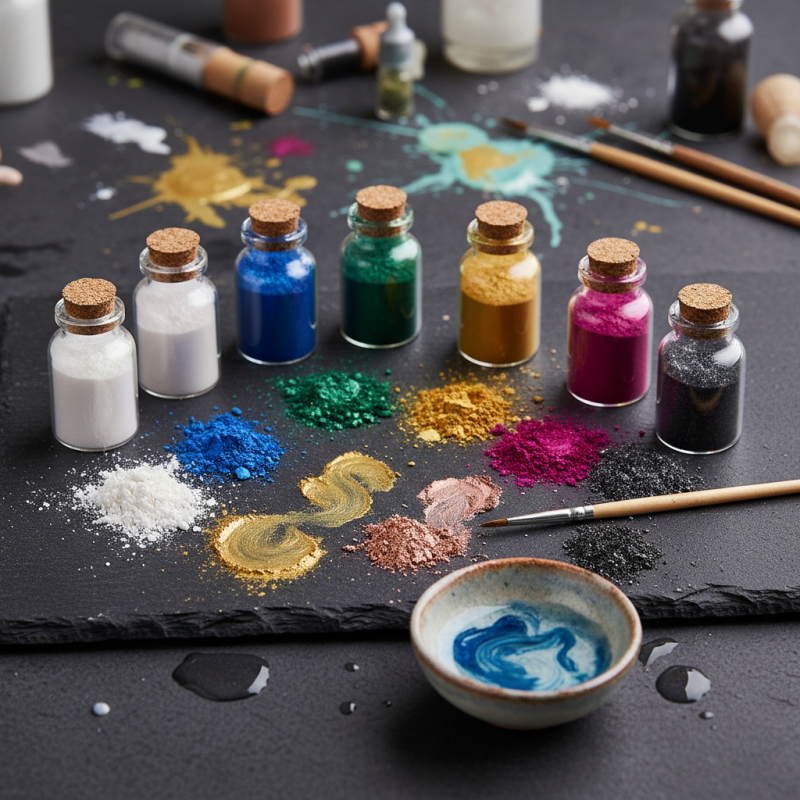
Mica powder is a versatile mineral used in various industries due to its unique properties. It is primarily valued for its excellent shimmer and pearlescent finish. The global mica market reflects its utility, expected to reach USD 1.5 billion by 2025, as reported by Industry Research. This demonstrates a growing demand across cosmetics, paints, and plastics. In cosmetics, mica powder enhances products like eyeshadows and lipsticks, providing a dazzling effect.
In the paint industry, mica powder contributes to improved gloss and durability. It acts as a filler and helps prevent moisture absorption. Additionally, in the plastics sector, mica enhances the strength and thermal resistance of materials. These applications underline the importance of selecting high-quality mica for optimal performance.
When choosing mica powder, consider the color and particle size. Smaller particles yield a more intense color, while larger ones provide a smoother texture. Not all mica is created equal; impurities can affect color purity. Always source from reliable suppliers.
Tips: Test samples before committing. Look for fine micas for vibrant applications. Pay attention to safety data sheets. Not all uses are clear-cut; some mixtures may react unpredictably. Always be prepared for some trial and error, especially in creative projects.
Key Properties of Mica Powder: Color, Texture, and Particle Size Explained
Mica powder is a versatile material known for its unique color and shimmer. Its properties greatly influence its application in cosmetics, arts, and crafts. Understanding the nuances of mica powder—specifically color, texture, and particle size—can significantly enhance your creative projects.
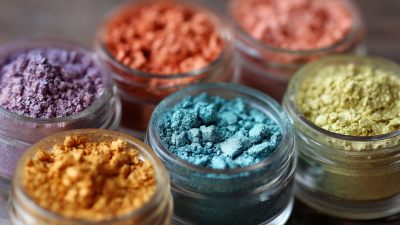
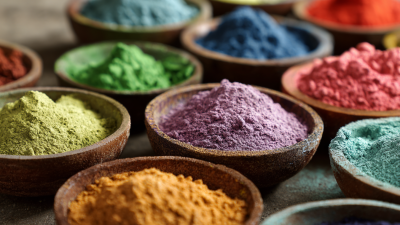
Color is one of the most appealing traits of mica powder. It comes in a wide range of hues, from vibrant reds to soft pastels. Each shade can evoke different emotions and responses. When choosing color, consider how it fits your overall theme. While vibrant shades attract attention, softer tones may provide a more subtle touch.
Texture is another key characteristic. Mica powder can be found in various textures, from smooth to coarse. This influences how it mixes and adheres to surfaces. Coarser powders often create a more dramatic effect, while fine mic powders blend seamlessly. Particle size is crucial in determining how light interacts with the powder. Smaller particles tend to offer a more uniform application, while larger ones provide texture and dimension. Reflecting on these attributes can lead to more intentional choices in your projects.
Factors to Consider When Choosing Mica Powder Colors for Crafting
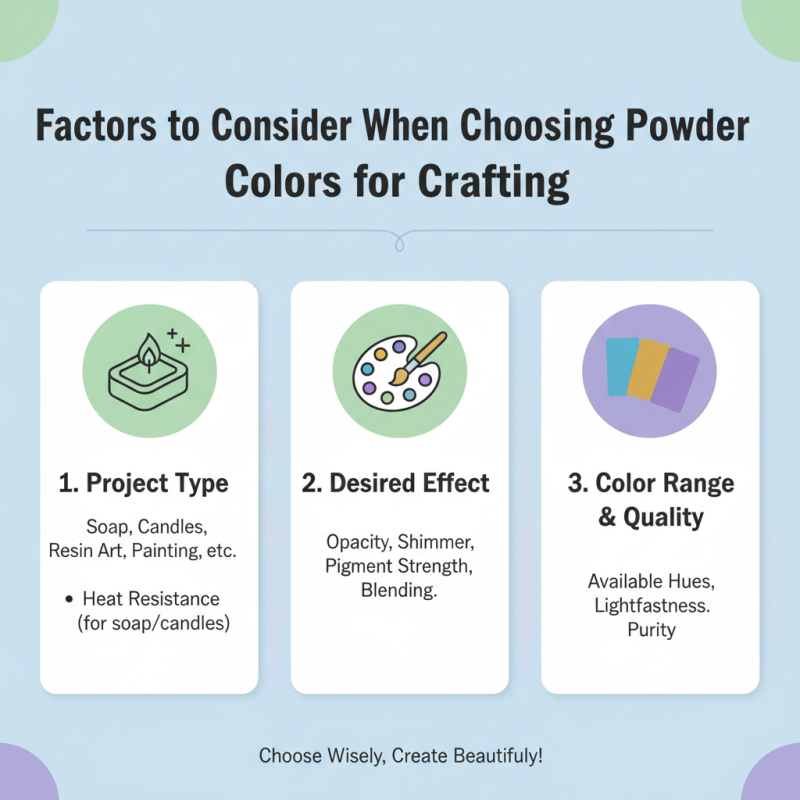
When selecting mica powder colors for crafting, several factors deserve attention. Consider the purpose of your project. Are you creating soap, candles, or artwork? Different applications call for specific qualities. For instance, soap may require colors that withstand high temperatures. Meanwhile, art projects might benefit from a wider palette and shimmer.
The color intensity is also crucial. Some mica powders appear vibrant in their containers but can fade when mixed with other elements. Always try a test batch before finalizing your choice. A small amount can reveal the true shade. Knowing the opacity is vital too. Transparent colors create delicate effects, while opaque ones offer bold statements.
Tips: Always check the particle size of mica powder. Finer powders blend smoothly, while larger particles can add texture. Remember that natural variations exist. Even between batches, colors may vary. Embrace this unpredictability; it can add charm to your creations.
Ultimately, trust your instincts. A color that feels right can elevate your project. Experimentation can lead to unexpected and delightful results. Don't hesitate to mix shades. The best colors evolve through trial and personal discovery.
Comparative Analysis of Mica Powder vs. Other Colorants in Cosmetics
Mica powder has gained popularity in cosmetics for its versatility and shimmering effects. Unlike synthetic colorants, mica offers a natural sheen. It comes from minerals, providing a unique look in makeup products. Users often find it appealing due to its eco-friendly nature. Yet, not all mica powders are created equal. Sourcing practices could affect ethical standards.
When comparing mica powder to other colorants, it’s essential to note the differences in application. Synthetic dyes offer vibrant colors but may lack the warmth of mica. Some natural alternatives might not provide the same luminescence. Each option has its pros and cons. Mica may pose issues for those with sensitive skin. Patch testing remains crucial.
For formulators, the choice between mica and synthetic colorants can be challenging. Mica is often more expensive and less predictable in color consistency. It requires careful handling to avoid clumping. Understanding these details is vital for creating high-quality products. Evaluate your priorities: natural vs. synthetic, cost vs. performance. Reflect on how these choices impact your final product.
What is Mica Powder Color and How to Choose the Best?
| Colorant Type |
Composition |
Uses in Cosmetics |
Vibrancy |
Safety Rating |
Cost |
| Mica Powder |
Natural mineral |
Eyeshadows, highlighters |
High |
Low (non-toxic) |
Moderate |
| Dyes |
Synthetic |
Lipsticks, foundations |
Variable |
Medium (depends on source) |
Low |
| Iron Oxides |
Natural/Synthetic |
Foundations, blushes |
Good |
Low (non-toxic) |
Moderate |
| Lake Colors |
Synthetic |
Lip products, blushes |
Very High |
Medium (varies by type) |
Higher |
Sourcing Quality Mica Powder: Ethical Considerations and Industry Standards
When sourcing mica powder, ethical considerations are vital. The mica industry has faced scrutiny for labor practices. Reports indicate that more than 20,000 children may be involved in mica mining, particularly in certain regions of India. Understanding these issues is essential for businesses wanting to use mica responsibly.
Transparency in sourcing is critical. Companies must ensure that their supply chains are free from unethical practices. Engaging with suppliers who adhere to industry standards, such as the Responsible Mica Initiative, can improve accountability. Data suggests that 70% of consumers prefer products sourced sustainably.
Selecting high-quality mica powder also includes understanding its sourcing. Ethical suppliers provide documentation to clarify their practices. This fosters trust and reliability. As the market evolves, businesses are urged to reflect on their sourcing methods. Material quality and ethical sourcing should go hand in hand.
Mica Powder Color Selection and Quality Standards