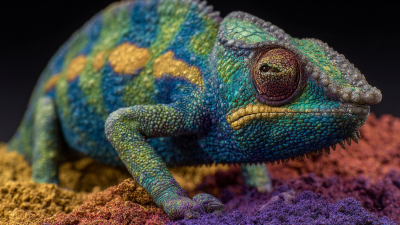
Mica Powder Chameleon is quickly becoming a favorite in various industries. This color-shifting powder offers unique visual appeal. According to market research, demand for mica powder has surged by over 12% annually, fueled by the growing popularity in cosmetics and crafting sectors.
The versatility of Mica Powder Chameleon makes it suitable for projects ranging from art to makeup. Its ability to change colors with light position catches attention. However, the quality can vary significantly across suppliers. Some creators find it challenging to achieve desired effects without proper guidance. Choosing the right product involves careful consideration and expertise.
As the market expands, consumers are advised to seek reliable sources. Not all brands provide the same level of quality and safety. Research indicates that understanding ingredient sourcing helps in making informed choices. Reliable suppliers should prioritize ethical practices and transparency in their products. Overall, exploring the best Mica Powder Chameleon enhances your projects while ensuring a commitment to quality and responsibility.
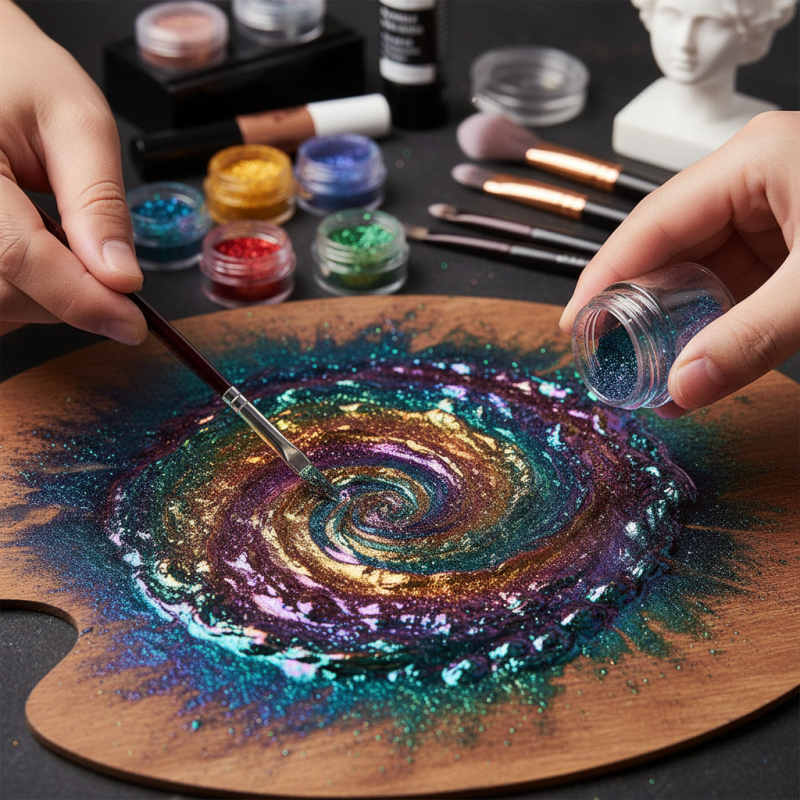
Mica powder is a versatile material used in various creative projects. This fine mineral is known for its unique shimmer and vibrant colors. It can enhance everything from cosmetics to art projects. The reflective properties of mica make it an ideal choice for creating stunning effects. Artists often mix it into paints to add depth and shine.
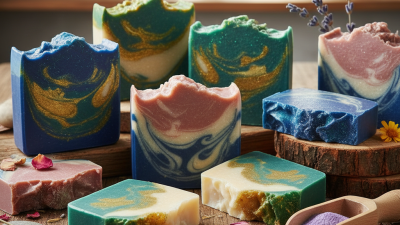
In crafting, mica powder is commonly used to color resin and soap. Its ability to create a pearlescent finish is unmatched. When added to candles, it can create a beautiful visual appeal. However, it's crucial to use the right amount. Too much mica can overwhelm the base material, resulting in an unbalanced look. It's a fine line between subtlety and excess.
Understanding the application process is key. Mixing mica into mediums requires careful measuring. A little goes a long way, and sometimes, less is more. Experimenting with proportions helps achieve the desired effect. Learning from these trials can lead to mastery over time. Mica powder is a journey, not just a destination.
| Mica Powder Type | Color Shift | Particle Size (microns) | Best Uses |
|---|---|---|---|
| Chameleon Green | Green to Blue | 10-60 | Cosmetics, Resin Art |
| Chameleon Purple | Purple to Blue | 10-40 | Nail Art, Crafts |
| Chameleon Red | Red to Gold | 5-30 | Bath Bombs, Soaps |
| Chameleon Blue | Blue to Green | 5-50 | Epoxy, Art Projects |
| Chameleon Gold | Gold to Green | 10-70 | Makeup, Casting |
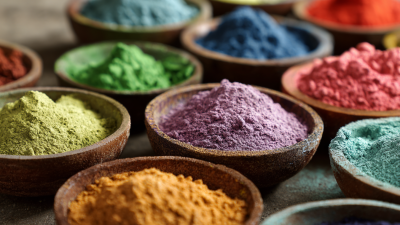
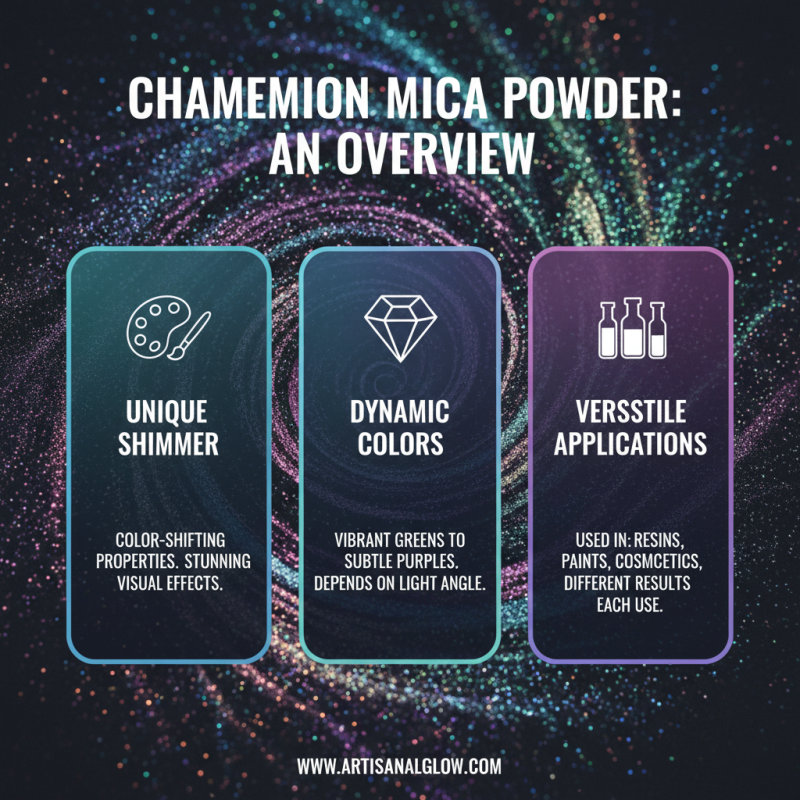
Chameleon mica powder brings a unique shimmer to art projects. Its color-shifting properties create stunning visual effects. This powder can range from vibrant greens to subtle purples, depending on the angle of light. Artisans often use it in resin, paints, and cosmetics. Each application can lead to different results, making it a versatile choice.
When selecting chameleon mica powder, consider the particle size. Fine particles blend smoothly into mediums, while coarser grains can create textured finishes. Improper mixing can lead to uneven coloration, a common frustration for beginners. Experimenting with different amounts can yield more unique shades.
Tips: Test the powder in small batches first. Observe how it interacts with various mediums. This allows for adjustments without wasting materials. Remember, the quality of the base you use can also affect the final appearance. Don't hesitate to revisit projects after initial attempts. Learning comes from experimenting with colors and textures over time.
When selecting the right chameleon mica powder, consider the project type. Different applications require various finishes and colors. For example, resin casting often benefits from fine, shimmering powders that create captivating effects. In contrast, soap making may suit more vibrant or intense hues.
Think about the desired visual outcome as well. If you want a subtle change in color, a powder with gentle shifts might be ideal. However, for bold transformations, choose more dynamic chameleon options. It's crucial to experiment with small quantities first. Testing on a small scale allows you to see results before committing to larger amounts.
Pay attention to particle size and pigmentation as well. These factors can alter the visual depth and overall quality of your finish. Not all products that promise stunning visuals will deliver. Sometimes, reviews can help, but personal experience remains paramount. The right choice may require reflection on your work style and project needs.
Mica powders can transform your crafts and decor into stunning works of art. Understanding application techniques will enhance your projects significantly. When using mica powders, it's crucial to mix them well. Poor mixing can lead to uneven color. Use a small whisk or a mixing stick for better results.
Experiment with different mediums. Mica powders work well in resin, paint, and many other supplies. In resin, for instance, they can create a shimmering effect that draws attention. Try layering colors to achieve a gradient look. This technique can be tricky but rewarding. Pay attention to how the colors interact.
Tips: Start with a small amount of mica powder. You can always add more if needed. Test your mixture on a small piece first. This helps prevent mistakes on your main project. Lastly, clean your tools immediately after use. Mica can be difficult to remove once it dries. Enjoy the creative process and don't be afraid to explore!
When working with mica powders, safety is crucial. Mica is a naturally occurring mineral, but it can pose health risks when inhaled. Always wear a mask to avoid inhalation. Use gloves to prevent skin irritation. Eye protection should also be worn, especially during mixing. Ensure your workspace is well-ventilated to reduce airborne particles.
Here are some tips for safe handling of mica powders. Keep mica powders away from children and pets. Clean up spills immediately to prevent slipping hazards. Consider using a damp cloth for cleanup instead of dry sweeping, which can stir up dust. Avoid eating or drinking in the workspace to prevent any accidental ingestion.
It’s also essential to read the safety data sheets (SDS) provided for mica products. This helps you understand any specific hazards. Remember that some colors may contain additional ingredients, which could be harmful. Always prioritize safety over aesthetic appeal when choosing materials for your projects.