How to Use Mica Powder for Candles Safely?
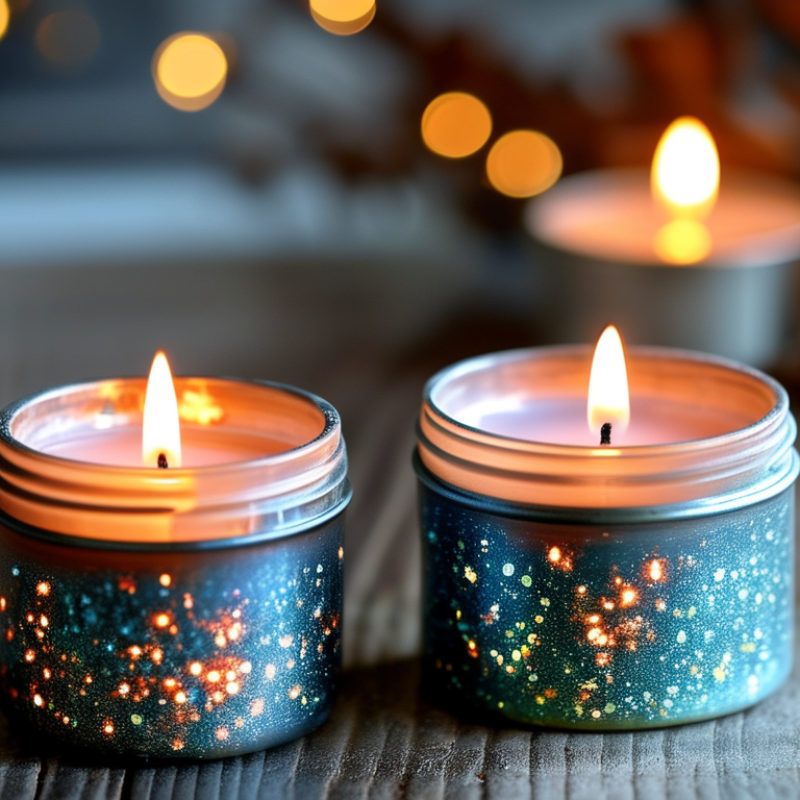
Mica Powder For Candles can create a striking shimmer, but beauty should never outrun burn safety. Fine particles may settle at the vessel base, cling to the wick, or collect near the melt pool. These details matter. A glittering jar is not automatically a safe jar.
The National Fire Protection Association reported an estimated 5,910 home candle fires annually from 2016 to 2020. These incidents caused about 74 deaths, 558 injuries, and $266 million in direct property damage. That context gives decorative additives a serious place in candle testing. The Grand View Research candle market report valued the global market at approximately $12.88 billion in 2022, with continued growth expected through 2030. More products mean more responsibility.
Susan McKelvey, a National Candle Association safety spokesperson, repeatedly shares a simple warning: “Never leave a burning candle unattended.” It applies to mica, too. Mica is not a substitute for a tested candle formula. Use cosmetic-grade or candle-suitable material, follow supplier guidance, and test each wax, wick, fragrance, and color combination together. Start with a small batch. Watch the flame, container temperature, smoke, and residue during every burn test.
Some guidance remains imperfect. Supplier terms can be unclear, and “natural” does not mean flame-safe. That deserves skepticism. This guide examines practical mica loading, dispersion, wick behavior, labeling, and safer testing habits. The goal is not maximum sparkle. It is a candle that looks beautiful before lighting and behaves predictably afterward.
Understanding Mica Powder and Its Uses in Candle Making
Mica powder is a fine mineral pigment that adds color, shimmer, and a soft metallic effect to candle wax. It does not dissolve like liquid dye. Instead, tiny particles remain suspended or settle as the wax cools. The result depends on particle size, wax type, temperature, and stirring time.
A small amount can be blended into melted wax with a dry, clean tool. Wear a mask and work in good ventilation, because loose powder can become airborne. Follow the supplier’s safety data and recommended usage rate. Avoid adding mica directly onto a wick or near an open flame. The particles may collect around the wick, restrict fuel flow, and create an uneven burn. For this reason, mica is often more predictable in wax melts or decorative, non-burning applications.
Container candles require testing. Pour a small sample, allow it to cure fully, then observe flame height, soot, melt-pool depth, and wick behavior. Do not assume a beautiful surface means a safe formula. I would also test different mica levels, since a heavier shimmer may reduce burn performance. This part is easy to underestimate. Keep notes for every batch, and reconsider the formula if the flame flickers, weakens, or leaves visible residue.
Testing Mica Powder for Flame and Burning Safety
How to Use Mica Powder for Candles Safely?
Testing Mica Powder for Flame and Burning Safety
Mica powder does not dissolve in candle wax. It can settle around the wick, restrict fuel flow, and create an unstable flame. A candle may look attractive during the first few minutes, yet burn poorly later. Treat mica as a testing concern, not simply a color additive.
Use a small control batch without mica. Then prepare a second batch with the lowest practical amount. Keep the wax, wick, vessel, fragrance, and curing time consistent. Burn both candles on a heat-resistant surface, away from drafts and flammable objects. Watch the flame closely. Record soot, flickering, smoke, mushrooming, excessive melt-pool depth, and unusual heat on the container.
Stop testing immediately if the flame grows suddenly or produces heavy smoke. Never leave the candle unattended. Avoid adding loose mica beside a burning wick, and prevent powder from becoming airborne during handling. Protective gloves and good ventilation are sensible precautions.
A clean first burn proves very little. The wick may clog after several hours, especially when pigment collects near its base. This is where many attractive formulas fail. A longer burn schedule is more revealing, although it still cannot guarantee safety. If the supplier does not provide clear combustion guidance, choosing a different candle colorant may be the more reliable decision.
Adding Mica Powder Without Affecting Wick Performance
How to Use Mica Powder for Candles Safely?
Mica powder can create a soft shimmer, but it is not a liquid dye. Its mineral particles remain suspended in wax and may settle around the wick. That buildup can restrict wax flow and produce a weak flame, tunneling, or smoking. I once assumed a tiny amount would be harmless. Testing showed otherwise.
Choose fine, candle-suitable mica from a supplier that provides usage guidance and safety information. Avoid loose craft glitter or unknown powders. Keep the mica level low, and disperse it fully in melted wax before adding fragrance. Stir slowly for several minutes. Scrape the bottom and sides of the pouring container, where particles often hide. Do not pour visible clumps near the wick.
Wick performance needs its own testing. Make one candle without mica, then compare it with a mica version using the same wax, wick, vessel, and fragrance load. Burn both in controlled sessions, watching flame height, melt-pool width, soot, and mushrooming. Trim the wick between burns, and stop testing if the flame becomes unstable. Mica may work acceptably in some formulas, but even a small change in particle size can alter results. For stronger color or shimmer, wax melts and decorative candle surfaces are often more forgiving. Always test the finished candle, not just the mixture in the pouring pot.
How to Use Mica Powder for Candles Safely?
Adding mica powder without affecting wick performance
Mica is an insoluble mineral powder, so particles suspended in candle wax can collect around the wick and restrict fuel flow. The chart uses a practical relative-risk index from 0 to 3: lower values indicate less potential for wick interference. For reliable candle performance, avoid mixing mica throughout the wax unless the formulation has been burn-tested; keep decorative powder away from the wick and flame path.
Troubleshooting Common Mica Powder Problems in Candles
Mica powder can make wax shimmer, but it may also disrupt a candle’s burn. The particles do not dissolve completely. They can settle near the wick, restrict fuel flow, or create a larger, unstable flame. The National Candle Association recommends trimming wicks to about 6 millimeters before burning. That small step matters when additives already affect combustion.
Watch the flame closely. A tall flame, mushroom-shaped wick, smoking, or a dark container wall signals trouble. Extinguish the candle and inspect the melt pool. If mica gathers around the wick, reduce the powder amount or remove it entirely. A practical trial uses several small batches, not one large pour. Record mica loading, wax type, wick size, cure time, and burn behavior. I would not trust color alone. A beautiful surface can hide poor performance.
NFPA’s Home Candle Fires report estimated 5,910 U.S. home structure fires annually from candles during 2016–2020, with 74 deaths and 584 injuries.
Those figures reinforce the need for controlled testing. Follow applicable candle standards, including ASTM F2417 for candle fire safety and ASTM F2058 for warning labels. Never assume cosmetic-grade mica is suitable for candles. Ask for candle-specific guidance and review the safety data. Keep testing in a ventilated area, away from curtains and paper. Small changes matter.