What is Mica Powder For Candles and How to Use It?
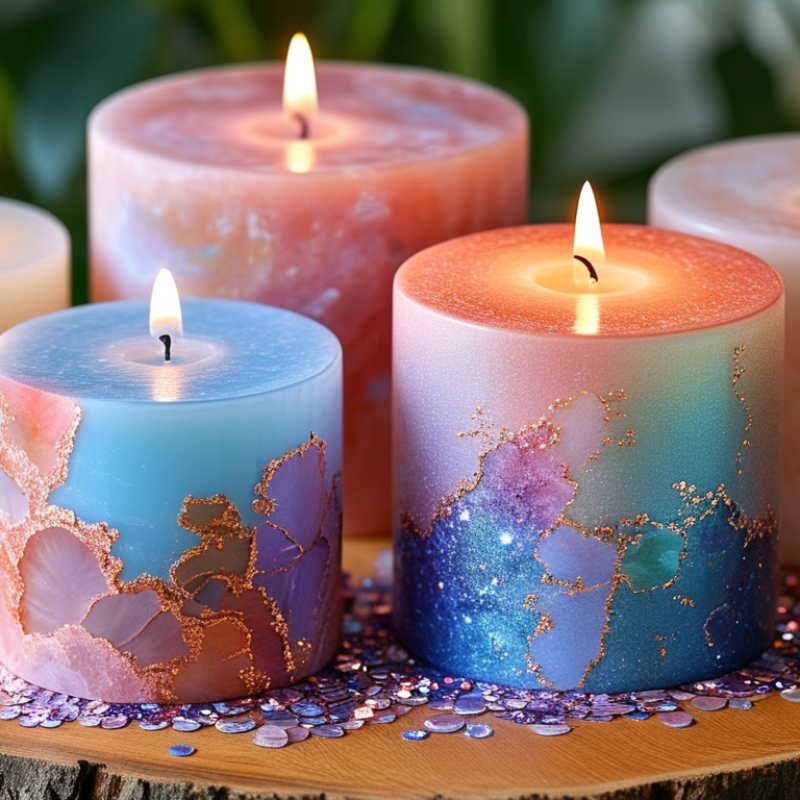
Mica powder for candles is a popular choice among crafters. It adds a touch of shimmer and elegance to handmade creations. This versatile product is non-toxic and blends well with various waxes. Many crafters appreciate its ability to enhance visual appeal.
Using mica powder for candles can be tricky. The right amount is essential for a balanced look. Too much might overpower the candle's charm, while too little could leave it dull. Aiming for moderation is key. Experimenting with different colors can lead to stunning results.
Moreover, the quality of mica powder varies. Some brands offer vibrant hues, while others may disappoint. It’s essential to choose reputable suppliers. Always check reviews and ensure the product aligns with your project's goals. By understanding the nuances of mica powder, you can elevate your candle-making experience.
What is Mica Powder and Its Role in Candle Making
Mica powder is a popular choice in candle making due to its vibrant colors and shimmering effects. It’s derived from natural minerals, giving candles a beautiful, lustrous finish. Many candle makers prefer mica over liquid dyes because it provides vivid, consistent color without altering the candle's texture. Data from recent industry reports indicate that the use of mica powder in craft projects has risen by 30% over the past five years, reflecting its growing popularity among hobbyists and professionals alike.
To use mica powder effectively, start with small amounts. A teaspoon can color several ounces of wax. It's essential to mix the mica powder into the melted wax thoroughly to prevent clumping. This can be a bit tricky, as uneven mixing may lead to patches of color. It’s advisable to experiment with different concentrations to achieve desired effects. Some users report their struggles when mixing; sometimes, they find that too much mica can make the candle's scent less potent.
The safety of mica powder is another factor to consider. While mica is considered non-toxic, impurities can exist. Always source your mica from reputable suppliers. Transparent labeling helps. This attention to detail not only enhances the aesthetics of the candles but also builds trust with the candle-making community.
Types of Mica Powder and Their Colorations for Candles
Mica powder is a common additive in candle-making. It enhances the aesthetic appeal with vibrant colors and shimmering effects.
Different types of mica powders offer a vast array of coloration options, allowing crafters to create unique candles tailored to occasions.
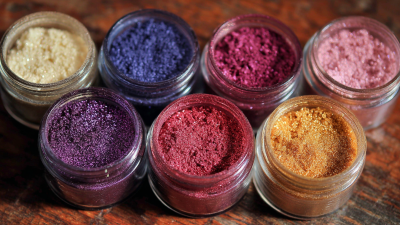
There are various mica powders available in shades such as gold, silver, and deep blue. Each hue brings its own character to the candle.
For airy or light-themed candles, pastel shades work well. Darker colors create a bold statement. Mica powders can also be mixed to achieve
custom shades, which adds a personal touch to your creations.
Tips: Test your mica powder before using a large batch. Mix a small amount into melted wax.
Observe how the color appears when cooled. This ensures you get the desired result without wasting materials.
Store mica powder in a cool, dry place to maintain its quality. Over time, color vibrancy can fade if not stored properly.
Benefits of Using Mica Powder in Candle Formulations
Mica powder is increasingly popular in candle making, and for good reason. This mineral-based colorant offers a range of benefits in formulations. According to a report from the Specialty Chemicals Market, the mica powder market is projected to grow by 5% annually, reflecting the rising interest in natural products.
One key benefit of mica powder is its vibrant color range. It comes in a plethora of shades, allowing artisans to create visually stunning candles. Moreover, mica adds a shimmering effect. This characteristic appeals to consumers who seek aesthetically pleasing products. Research shows that around 70% of consumers are influenced by a candle's appearance when making a purchase decision.
Furthermore, mica powder is often considered safer than synthetic dyes. Natural-mined mica is non-toxic, making it a preferred choice for health-conscious artisans. It's crucial to consider that sourcing can be an issue. Not all mica is sustainably mined, raising ethical concerns. Candlemakers must reflect on their sourcing choices to align with consumer value.
Step-by-Step Guide to Incorporating Mica Powder in Candle Making
Mica powder is a popular choice for candle makers looking to add color and shimmer to their creations. It comes in various shades, from vibrant reds to shimmering blues. When incorporating mica powder, it's essential to follow specific steps to achieve the best results.
Start by melting your wax, ensuring it reaches the appropriate temperature for adding color. Once the wax is melted, gently stir in the mica powder. A good ratio is one teaspoon of mica per pound of wax, but you can adjust to your preference. This step is crucial. Too much mica can clump, and too little may not produce the desired effect.
After mixing, pour your wax into molds. Observe how the mica settles as the wax cools. You may notice uneven coloring or glitter effects. This is normal, but it may prompt you to experiment more. Test different amounts and colors in small batches. Keep a journal of your results. This will help refine your process over time. Understanding how mica interacts with various wax types can elevate your candle-making skills.
What is Mica Powder For Candles and How to Use It? - Step-by-Step Guide to Incorporating Mica Powder in Candle Making
| Aspect |
Details |
| Definition |
Mica powder is a natural mineral pigment used to add color and shimmer to candles. |
| Color Options |
Available in various colors such as gold, silver, and vibrant shades to enhance candle appearance. |
| Benefits |
Non-toxic, lightfast, and can create a sparkling effect in finished candles. |
| How to Use |
Mix mica powder into melted wax before pouring into molds to achieve desired coloration. |
| Recommended Ratio |
Start with 1 teaspoon of mica per pound of wax and adjust based on desired intensity. |
| Mixing Techniques |
Use a whisk or a spatula to ensure even distribution in the wax. |
| Safety Precautions |
Always wear a mask and gloves while handling mica powder to avoid inhalation and skin contact. |
Safety Considerations and Best Practices for Mica Powder Use
Safety is paramount when working with mica powder for candles. Always wear gloves and a mask. Mica can be irritating to the skin and lungs. Use it in a well-ventilated area to minimize exposure. Avoid ingestion, as mica is not food-safe. Keep it away from children and pets.
Tips: Start with small amounts. Too much mica can overpower your candle. Always test a small batch first to observe the color and aesthetics. Choose cosmetic-grade mica for safety and better results.
Be cautious with heat. Mica should be mixed into wax at a temperature that’s not too high. If the wax is boiling, it can affect the mica's appearance. If your colors seem dull, rethink the temperature and mixing process. Don't rush; patience is vital for the best candle outcomes.
Mica Powder Use in Candle Making