How to Use Pigment Powder Mica in Art and Crafts?
Pigment Powder Mica offers endless possibilities for artists and crafters. This versatile material can enhance any project with vibrant colors and unique textures. Mica pigments are natural minerals that shimmer beautifully. They can bring life to paintings, sculptures, and even homemade cosmetics.
Using Pigment Powder Mica requires some practice. Mixing it with mediums can be tricky. You may find that the colors don’t always turn out as expected. Experimentation is key. Don't be afraid to make mistakes. Each attempt reveals new creative paths. You could try different ratios or experiment with different bases.
Understanding the properties of Pigment Powder Mica is essential. It's lightweight and may settle over time. Proper mixing ensures even distribution in your projects. Remember, the final appearance can vary depending on the application method. Be patient and embrace the learning curve. This journey will not only improve your skills but also deepen your appreciation for the art of using pigments.
Introduction to Pigment Powder Mica in Art and Crafts
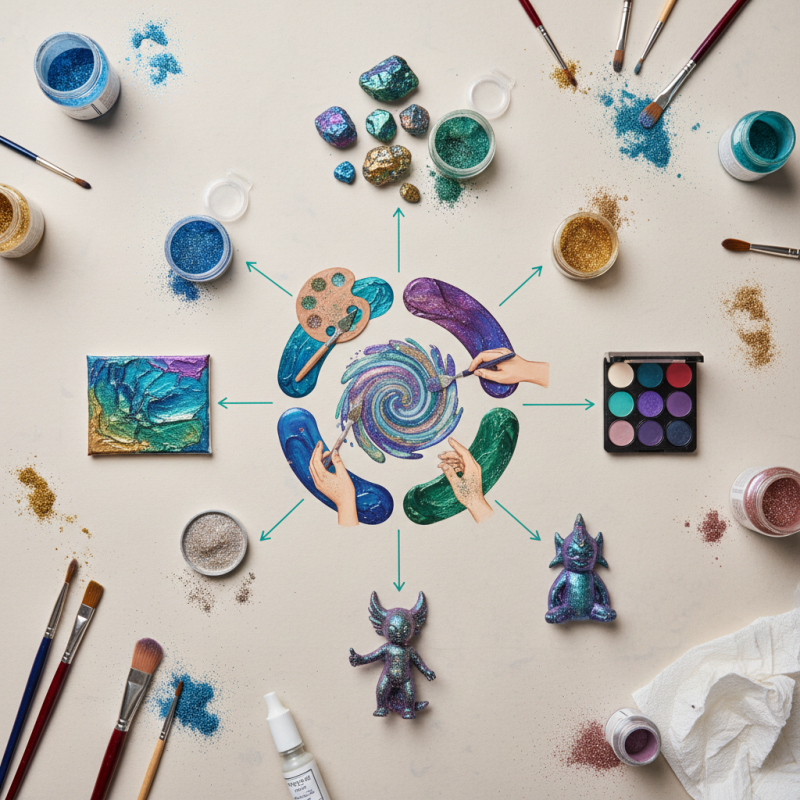
Pigment powder mica has become a popular choice among artists and crafters. This versatile material can add a stunning shimmer to various projects. According to industry reports, the mica market is expected to grow significantly, driven by increased interest in eco-friendly materials and vibrant colors.
When using pigment powder mica, it's essential to understand its properties. Mica is naturally occurring and non-toxic, which makes it suitable for many applications. However, not all mica powders are created equally. Some may lack the desired vibrancy or consistency. Ensure that you choose high-quality pigments for the best results.
Tips: Always test the pigment on a small surface first. Create a sample to see how the color looks when mixed. Also, consider layering different colors for depth. Mica can easily settle out in mixtures, so stir gently and consistently.
Experimentation is key. Some artists find that less is more. A small amount can go a long way. Mixing mica with mediums can yield unexpected results. Don't hesitate to reflect on your application techniques and adjust as needed. The beauty of crafting lies in discovery.
How to Use Pigment Powder Mica in Art and Crafts?
| Application |
Material |
Effects |
Mixing Ratio |
| Painting |
Acrylic Paint |
Shimmering Finish |
1:4 (Powder to Paint) |
| Resin Art |
Epoxy Resin |
Vibrant Color Effects |
1:3 (Powder to Resin) |
| Soap Making |
Melt and Pour Soap Base |
Natural Colorant |
1:2 (Powder to Base) |
| Cosmetics |
Lip Balm |
Iridescent Gloss |
1:5 (Powder to Base) |
| Crafting |
DIY Crafts |
Eye-catching Accents |
1:6 (Powder to Medium) |
Types of Pigment Powder Mica and Their Properties
Pigment powder mica comes in various types, each with unique properties. Common types include synthetic and natural mica. Natural mica offers vibrant colors and a pearlescent finish. In contrast, synthetic mica can provide more uniform textures and extensive color options. Both types are versatile and can be used in different art projects.
When choosing pigment powder mica, consider its particle size. Finer particles create a smooth finish, while coarser particles add texture. Experimenting with different sizes can lead to interesting results in your artwork. Mica powders are often non-toxic, making them safe for various crafts, including resin art and painting.
Tips for working with mica powder: Always wear a mask when mixing. This will prevent inhalation of fine particles. Test colors in small batches before committing to larger projects. It's crucial to understand how mica interacts with other mediums. Some binders may cause colors to shift, leading to unexpected outcomes. Keep a notebook to jot down your experiments. Reflecting on your process can help improve skills over time.
Techniques for Mixing Mica with Various Mediums
Using pigment powder mica in art and crafts can produce stunning effects. Mixing mica with different mediums opens up various possibilities. Let’s explore a few techniques to enhance your projects.
For watercolor, add a pinch of mica powder to your palette. This technique creates shimmering washes. The mica particles will float, giving your artwork a unique depth. It’s tricky to balance the amount, though. Too much can overpower the colors. Try contrasting combinations to find what works best for you.
When working with resin, mica powder can be mixed directly into the liquid. This creates vibrant, opaque colors. Swirl different colors together for mesmerizing effects. Be cautious about the mixing ratios. Uneven distribution can result in dull patches or clumps. Take time to experiment. Each attempt can lead to unexpected outcomes. Embrace the imperfections—these can add character to your pieces. Don't be afraid to revisit techniques. Every project is a chance to learn.
Usage of Pigment Powder Mica in Art and Crafts
Examples of Art and Craft Projects Using Mica Pigments
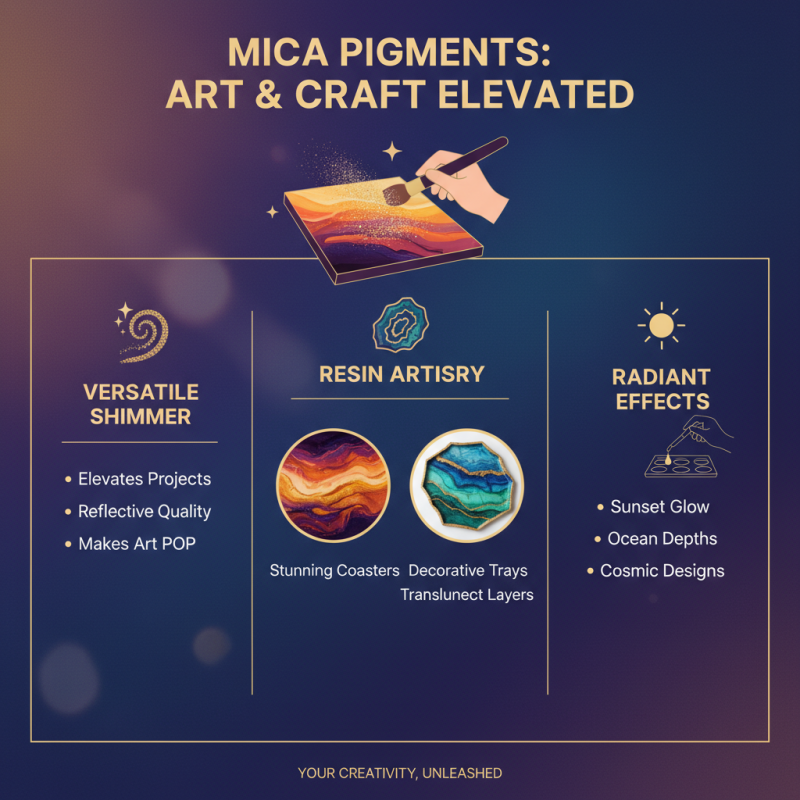
Mica pigments are versatile and can elevate various art and craft projects. They provide a shimmering effect that makes any piece stand out. For example, when mixed into resin, these pigments create stunning coasters or decorative trays. The translucent quality of mica allows for beautiful layering. Imagine the glow of a sunset captured in a small, glossy surface.
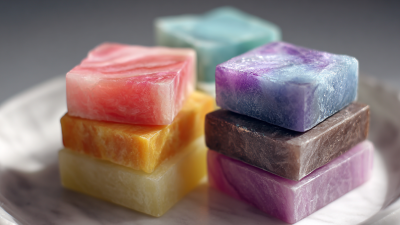
Another exciting project involves adding mica powder to handmade soap. It gives the soap a delightful sparkle and a unique look. The challenge here lies in choosing complementary colors. A balance is crucial. Too much pigment can overwhelm the design. Sometimes, less is more.
You can also use mica to enhance acrylic paintings. Mixing small amounts into the paint results in interesting textures and finishes. Experimenting with different techniques, such as sponging or stippling, reveals new patterns. Each stroke carries its charm. Yet, achieving the right consistency may take time. Don’t rush it. It’s all part of the creative process.
Safety Considerations When Working with Mica Pigments
When working with mica pigments, safety should be a top priority.
Mica powder can become airborne. Breathing in fine particles can pose a health risk. The
American Conference of Governmental Industrial Hygienists (ACGIH)
suggests wearing a proper mask when handling pigments. Long exposure to dust can lead to respiratory issues.
A study from the National Institute for Occupational Safety and Health indicates that inhaling particulate matter
can cause lung disease. Always work in a well-ventilated area.
This reduces the risk of inhalation. Dust masks are essential. Even when working with
non-toxic materials, safety should never be overlooked.
Tip: Always use gloves when mixing mica. Direct contact can irritate the skin.
Consider using safety goggles to protect your eyes. This is particularly important if you are mixing wet and
dry ingredients. Poor mixing can lead to splashes. Keep your workspace tidy
to minimize hazards.
Remember, art should be enjoyable, not harmful. Overconfidence in handling materials can lead to accidents.
Stay informed and treat materials with the respect they deserve. Mica pigments can elevate your art,
but safety ensures you can create without worry.