2026 How to Use Pearlescent Pigment in Your Art Projects?
Pearlescent Pigment has gained significant popularity in the art community due to its unique visual qualities. This pigment creates iridescent effects, enhancing the depth and vibrancy of art pieces. According to a recent market analysis, the global pearlescent pigment market is projected to reach $1.8 billion by 2025, driven by its increasing applications in various artistic mediums. Artists and designers are continuously exploring innovative ways to incorporate these pigments into their projects.
Many professionals recognize the challenges of using Pearlescent Pigment. Achieving the right balance of sheen and opacity can be tricky. A study published in the Journal of Coatings Technology reported that the effectiveness of these pigments often depends on the application method. For instance, mixing techniques and the base medium can impact the final outcome significantly. Artists must experiment to find their ideal combinations, often leading to unexpected results.
Reflecting on these complexities, it becomes clear that using Pearlescent Pigment is an evolving journey. Mistakes and learning curves are part of the creative process. The pursuit of mastery in manipulating these pigments fuels artistic innovation and individuality. Embracing imperfections can lead to new, unexpected artistic styles. Understanding the nuances of Pearlescent Pigment can transform your art into captivating pieces that resonate with viewers.

Understanding Pearlescent Pigment: What It Is and How It Works
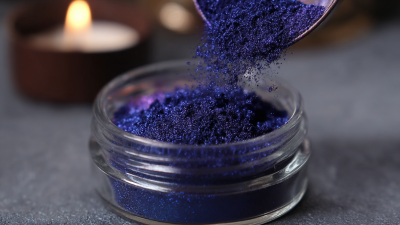
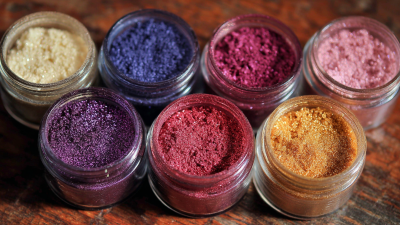
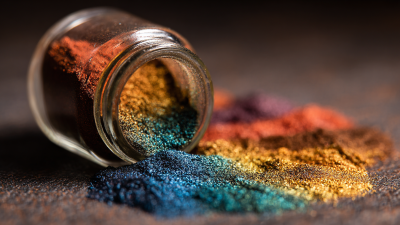
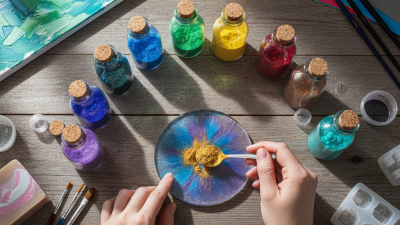
Understanding pearlescent pigment can elevate your art. This unique material reflects light, creating a shimmering effect. It comes in various colors and finishes. Artists often use it in painting, crafting, and even makeup. The choice of medium influences how the pigment appears.
When mixing pearlescent pigment, start small. A little goes a long way. Test your mixture on scrap material. This allows you to see the effect before committing to your main project. Experimenting with different ratios can lead to unexpected results. Keep a journal of your experiments to track what works best.
Tips: Always wear a mask when working with dry pigments. This ensures you don’t inhale any particles. If you’re using it in a pour or resin project, try combining it with clear mediums. This enhances the pearlescent effect. Reflect on your process often; each attempt adds to your understanding.
Types of Pearlescent Pigments: Natural vs Synthetic Variants
When it comes to pearlescent pigments, artists often choose between natural and synthetic variants. Natural pearlescent pigments come from sources like mica and are prized for their authenticity. They offer a softer glow and a more organic feel to artworks. Many artists appreciate their unique textures and subtle color shifts, making them ideal for projects where a delicate touch is required.
On the other hand, synthetic pearlescent pigments provide vibrant and consistent color options. They are often more durable and come in a broader range of shades. These pigments can be easily blended, allowing for creative experimentation. Artists who seek versatility in their projects might prefer synthetic options for bold effects.
Tips for using these pigments include testing different mediums. Mixing with acrylics, oils, or watercolors can yield varied results. Always start with a small amount to see how it interacts with your chosen paint. Natural pigments might require more experimentation to achieve desired effects. Synthetic ones usually blend more seamlessly. Remember to reflect on your outcomes, as every project might demand different approaches. Explore and enjoy the journey of creation!
Techniques for Incorporating Pearlescent Pigment into Various Mediums
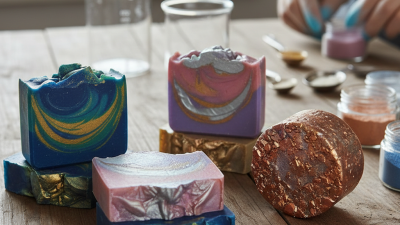
Incorporating pearlescent pigment into your art can elevate your projects to new heights. This versatile medium can add depth and a luminous quality to various art forms. Artists often experiment with it in painting, crafting, and mixed media. Choose a suitable base like acrylic or watercolor. Mixing the pigment with a transparent medium can enhance its reflective properties.
Applying pearlescent pigment is an art in itself. You can use a dry brush technique for subtle effects. Stippling with a sponge creates intriguing textures. Alternatively, pour the pigment into resin for unique jewelry designs. However, controlling the color intensity can be challenging. Sometimes, the pigment may overpower other elements. Finding the right balance requires skill and practice.
When incorporating this pigment, always test on a small scale first. Mistakes can lead to unexpected results. Additionally, the pigment's effect may vary based on light conditions. Reflective qualities can sometimes be lost in certain lighting. Be open to these imperfections, as they can inspire creativity. Each project teaches you something new. Embrace the process and learn from each application for better outcomes in future endeavors.
Tips for Achieving Desired Effects with Pearlescent Pigments
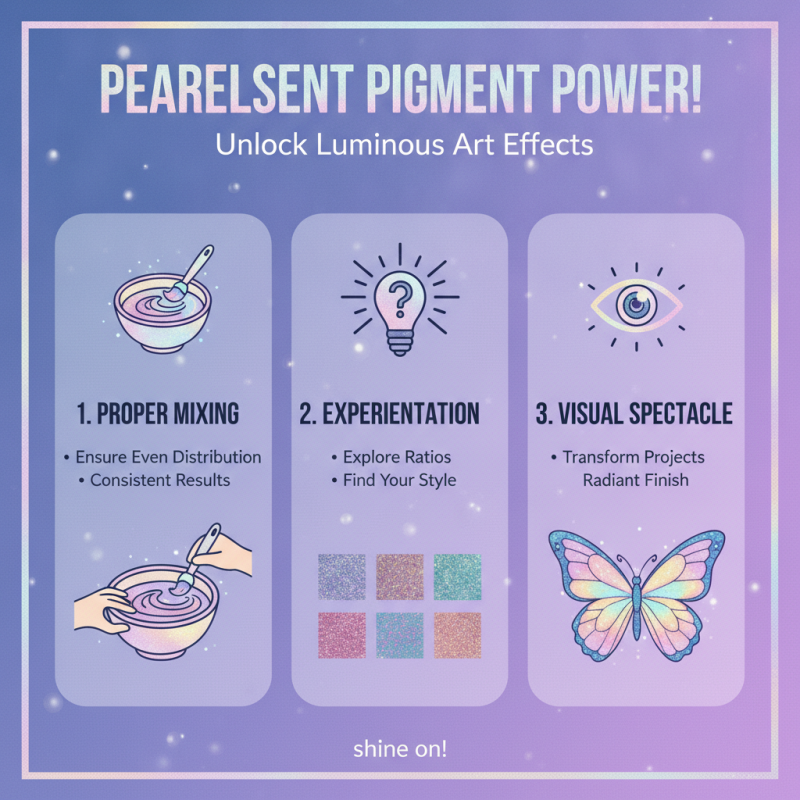
Pearlescent pigments can transform any art project into a visual spectacle. To achieve the best effects, you need to know how to use them wisely. Start by mixing these pigments into your paint medium properly. You want to ensure an even distribution for consistent results. Experimentation is key; each artist may find different ratios work better for their style.
When applying, consider the surface texture. A smoother surface might enhance the luminosity, while a textured one could create stunning contrasts. Test your pigments on scrap pieces first. Some might not react as expected, and that’s okay. Embrace those surprises; sometimes, they lead to unexpected beauty.
Lighting plays a critical role too. Pearlescent effects vary under different light conditions. Natural light might highlight certain colors distinctly compared to artificial light. Keep your work in various settings to see how it changes. Accepting these variables can elevate your art. Your journey with these pigments will be unique, filled with both triumphs and lessons.
Safety and Storage Considerations for Pearlescent Pigments in Art Projects
When using pearlescent pigments in art, safety should be a priority. Always wear gloves and a mask to avoid inhaling any fine particles. These pigments can be beautiful but may pose risks. They can irritate the skin and eyes if proper precautions aren't taken.
Proper storage is essential. Keep pigments in airtight containers, away from moisture. This can prevent clumping and preserve their quality. It's wise to label these containers clearly. This practice not only ensures safety but also helps avoid accidental mixing with other materials.
Consider the workspace. Ensure it is well-ventilated. Artists often overlook the importance of air circulation. When mixing pigments, it's best to do it in a dedicated area that can be easily cleaned. A few spills can lead to unexpected accidents. Reflecting on these simple but crucial steps can make a significant difference in your creative process.
2026 How to Use Pearlescent Pigment in Your Art Projects? - Safety and Storage Considerations for Pearlescent Pigments in Art Projects
| Aspect |
Details |
| Type of Pigment |
Synthetic Pearlescent Pigments |
| Common Uses |
Painting, Coatings, Crafts, Makeup |
| Safety Precautions |
Use in well-ventilated areas; Wear gloves and masks. |
| Storage Recommendations |
Store in a cool, dry place; Keep sealed tightly. |
| Compatibility with Other Media |
Mixes well with acrylics, oils, and resins. |
| Cleanup Methods |
Use soap and water for wet pigments; Use a vacuum for dry spills. |
| Shelf Life |
Up to 5 years if stored properly. |