2026 How to Use Mica Powder for Creative Art Projects?
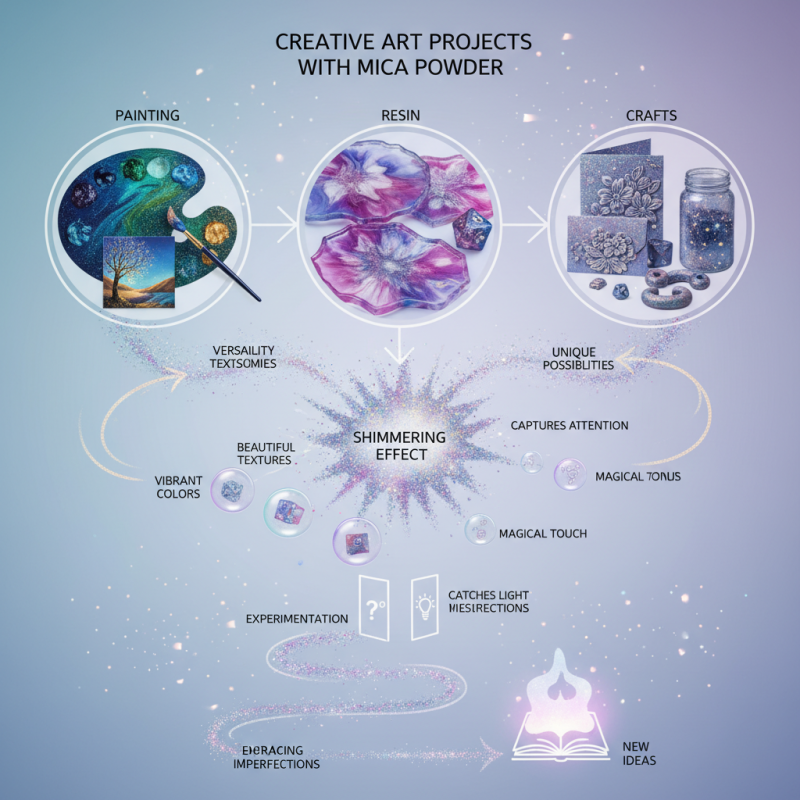
Mica powder is a versatile medium for artists. Its shimmering effect can elevate any project. Whether in painting, resin, or crafts, mica powder captures attention.
Using mica powder offers unique possibilities. It can create beautiful textures and vibrant colors. Mixing it into paints brings depth. Artists love how it catches light, adding a magical touch. However, it requires practice to master its use.
Experimenting with mica powder can lead to unexpected results. Sometimes the outcome is not what you imagined. Embracing imperfections can inspire new ideas. Every artist has their own journey with mica powder, finding ways to express creativity. The exploration is as valuable as the final piece.
Introduction to Mica Powder in Creative Art Projects
Mica powder is a versatile medium. It adds depth and shimmer to art projects. Artists love using it for various applications. From paintings to crafts, mica powder can enhance any piece creatively. Its light-reflecting properties create a stunning effect.
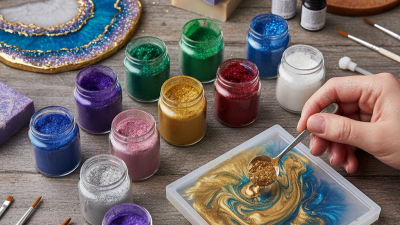
When starting, remember to use gloves. Mica powder can be messy. It may cling to surfaces and skin. Mixing it with a medium is crucial. Try combining it with resin or paint. This can create unique colors and textures.
Tips: Start small! Experiment with different amounts. Test on scrap materials first. This allows for better control. Also, watch out for clumps. Sifting the mica powder can help keep it smooth. Your project needs balance, so don't overdo it. Give yourself room to make adjustments. Enjoy the creative process and embrace imperfections. Each project will teach you something new.
Types of Mica Powders and Their Unique Properties
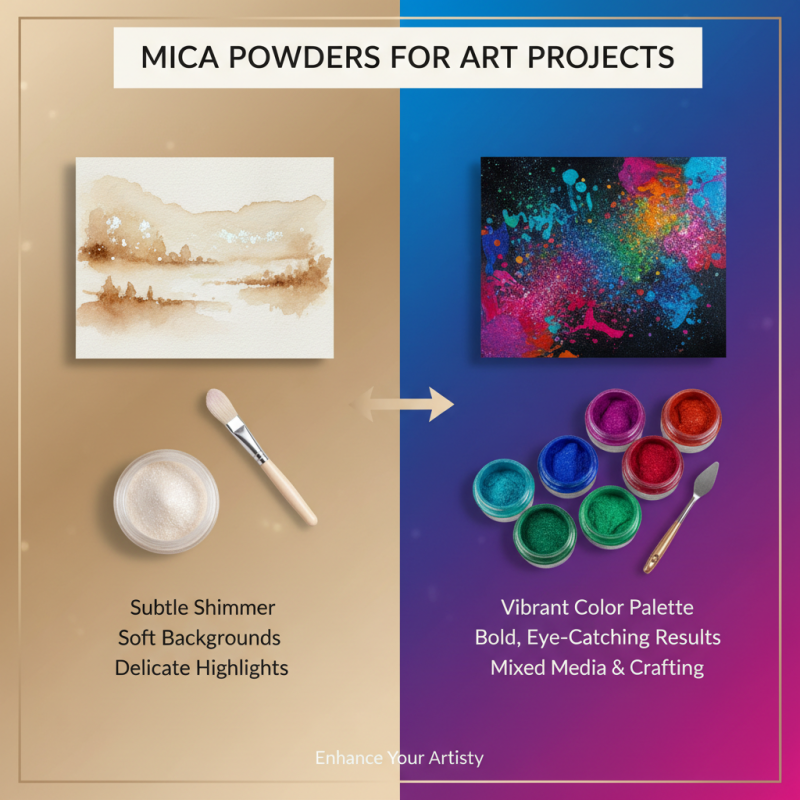
Mica powders come in various types, each with unique properties that make them suitable for different art projects. Natural mica powder offers a subtle shimmer that enhances art pieces without being overpowering. This type is perfect for creating soft backgrounds or delicate highlights. Synthetic mica, on the other hand, provides a more vibrant color palette. It can produce bold, eye-catching results ideal for mixed media and crafting.
Pearlescent mica powders reflect light beautifully, giving finished products an iridescent quality. These are fun to experiment with. They can transform basic objects into captivating pieces of art. However, mixing them into paints or resins requires practice. Achieving the right balance can be tricky. You might end up with a clumpy texture if not careful.
Finally, metallic mica powders add a touch of glamour to various projects. Their reflective finish can evoke a luxurious feel. These powders, though stunning, may overpower other colors if used excessively. Trying different combinations can lead to unexpected outcomes. The results might challenge your initial vision, encouraging a deeper exploration of your creative process.
Step-by-Step Guide to Mixing Mica Powder with Art Mediums
Mica powder is a versatile medium for art projects. It comes in various colors and sizes. Mixing mica powder with your preferred art medium can enhance your artwork’s shimmer. You can use it in resin, paints, or even clay. Each choice affects the final look. Experiment to see what works best.
To mix mica powder effectively, start with a clean container. Measure your medium accurately so colors remain consistent. Add a small amount of mica powder slowly, about a teaspoon at first. Stir well to avoid clumps. You may find it too light or too dark. Adjust the mica powder accordingly. Keep track of how much you use. This will help replicate successful mixes later.
Consider testing your mix on a scrap piece before applying it to your main project. Sometimes, the final look might not match your expectations. Don't be discouraged by this. Adjust your technique or proportions next time. Art is about exploration, and not every attempt will be perfect. Embrace those moments as part of the creative journey.
Techniques for Applying Mica Powder in Various Art Forms
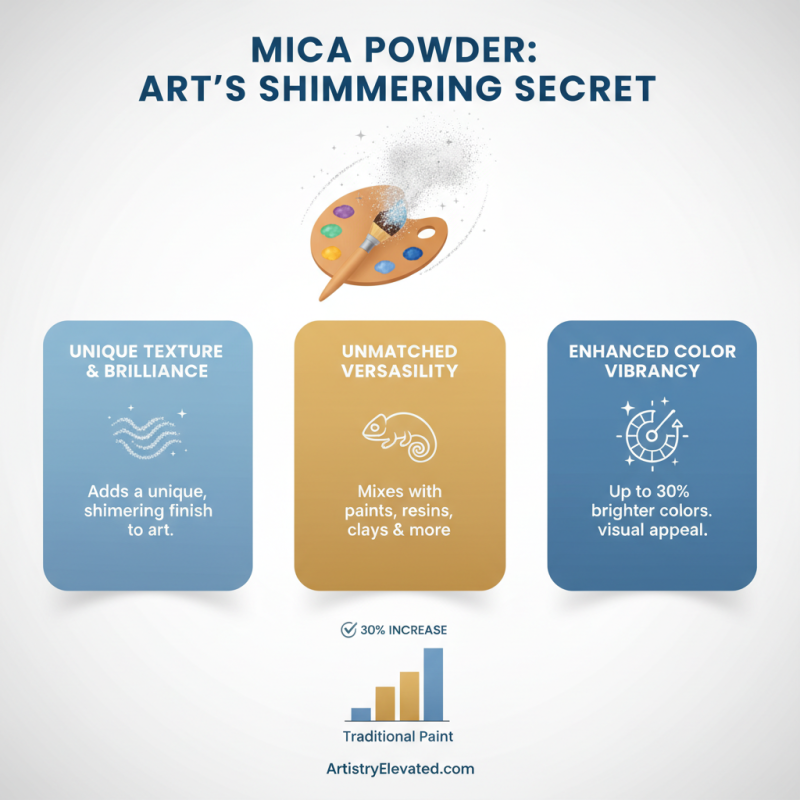
Mica powder offers a unique texture and brilliance to various art forms. Its versatility is unmatched. In painting, for example, mixing mica powder into paints creates a shimmering effect. This technique elevates the visual appeal of artwork. Industry reports show that artists using mica powder often see a 30% increase in color vibrancy. Traditional paint lacks this dynamic property.
In textile art, mica powder can be applied to fabric paint. The results are stunning. Colors become richer and patterns more defined. Artists often layer mica powders to achieve depth. However, it's crucial to test combinations carefully. Not all mica powders blend well, and some might clump. Remember, experimentation is essential.
When using mica in resin art, layer the powder evenly. Often, improper layering can lead to uneven finishes. A study indicates that 25% of novice artists encounter consistency issues. They often overlook measurement precision. Refining techniques and understanding the medium can prevent these pitfalls. Embrace the learning process to perfect skills.
Tips for Storing and Maintaining Mica Powder for Longevity
Mica powder is a popular material for artists. Proper storage is key to maintaining its quality. Moisture is mica’s worst enemy. It clumps and loses its shimmer when exposed to humidity. Store it in a cool, dry place. Airtight containers work best. Glass jars or sealed plastic bags can help.
According to a 2022 industry report, more than 60% of artists experience issues with their mica powder. The problem often stems from improper storage. This is frustrating for many, especially when inspiration strikes and supplies are not ready. Regularly check your containers. If you notice clumping or dullness, it may be time to replace your stock.
Labeling your mica powder containers is also beneficial. This simple practice provides quick access and helps prevent mixing colors. Many artists have shared that disorganization leads to wasted time. However, perfection isn’t always possible. Sometimes, inspiration can clash with reality. Staying organized can counter this unpredictable nature of creativity.