How to Use Mica Pigment Powder for Stunning Crafts and Art?
Mica Pigment Powder is a versatile material for artists and crafters. Renowned expert, Sarah Black, once said, "Mica brings a spark that transforms any project." This statement encapsulates the magic of these shimmering powders.
Using Mica Pigment Powder can be an exhilarating experience. It allows for creativity and exploration. However, getting started might feel overwhelming. Knowing the right techniques is essential. Experimenting with different mediums can lead to unexpected results. Sometimes the outcomes may not meet your expectations, and that's perfectly fine.
Color mixing is both an art and a science. Undoubtedly, Mica Pigment Powder adds a unique touch. Yet, overusing it can muddy your work. Finding balance is key. Don't shy away from trial and error. Embrace the learning process. Artistic growth often stems from mistakes.
What is Mica Pigment Powder and Its Unique Characteristics?
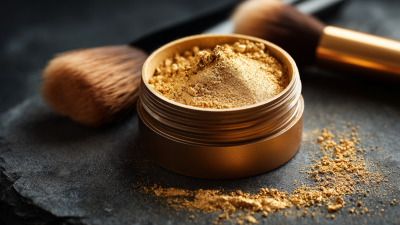
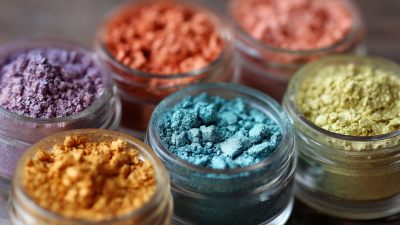
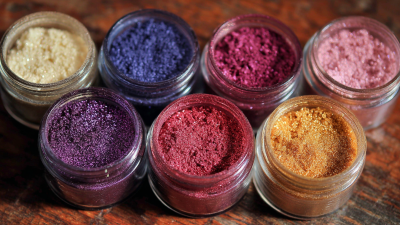
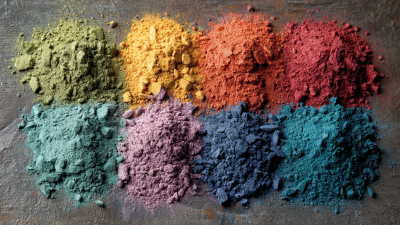
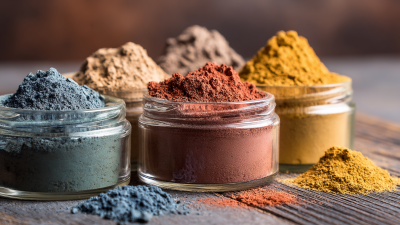
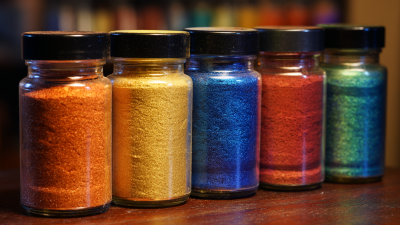
Mica pigment powder is a versatile and vibrant choice for artists and crafters. This fine powder is derived from natural minerals and offers a unique shimmer. Its reflective qualities make it ideal for creating eye-catching effects in various projects. The color range is extensive, allowing for endless creative possibilities.
One unique characteristic of mica is its safety. Unlike some synthetic pigments, it is non-toxic. This makes it suitable for use in crafts and art involving kids. However, achieving the right consistency can be tricky. Too much powder can overwhelm a project, while too little may lack vibrancy.
**Tips:** Start with a small amount of mica. Mix gradually to control color intensity. Test on scrap materials first.
For those new to mica, consider experimenting with different mediums. Try using it in resin projects or adding it to paint. Each medium reacts differently, which can lead to unexpected results. Embrace the imperfections. Sometimes, the best creations come from happy accidents. Let your instincts guide you, even if it leads you off the beaten path.
How to Use Mica Pigment Powder for Stunning Crafts and Art?
| Characteristic |
Description |
Common Uses |
Color Range |
| Non-Toxic |
Safe for crafts and art projects, suitable for all ages. |
Jewelry making, scrapbooking, and makeup. |
Wide range including metallic, matte, and vibrant colors. |
| Lightfastness |
Resistant to fading, ensuring colors stay vibrant over time. |
Used in artworks, resin crafts, and decorative items. |
Available in a myriad of shades matching any project. |
| Versatility |
Can be mixed with various mediums such as resin, paint, and clay. |
Painting, pottery, and home decor. |
Extensive color variations, includes glitter effects. |
| Texture |
Fine powder that adds shimmer and depth to crafts. |
Cosmetics, crafts, and art applications. |
From subtle shimmers to bold metallics. |
Benefits of Using Mica Pigment Powder in Crafts and Art Projects
Mica pigment powder offers a vibrant touch to your art projects. It comes in a variety of colors, adding depth and shimmer. Artists love using it for its unique effects. It's easy to blend and mix. A little goes a long way in creating stunning visuals. You can use mica powder in resin, paint, or even clay.
One major benefit is its non-toxic nature. This makes it safe for children and pets. Mica powders are also very versatile. They can be used in crafting candles, soaps, and cosmetic products. This versatility allows for endless creativity. However, achieving the right concentration can be tricky. Sometimes, the results may not match your vision at first.
Experimentation is key. Mixing colors can lead to unexpected surprises. Some combinations work beautifully, while others may fall flat. It's all part of the artistic process. Those happy accidents can inspire new ideas. Don't be afraid to embrace imperfections along the way. Happy crafting!
Step-by-Step Guide to Mixing Mica Pigment Powder with Various Mediums
Mixing mica pigment powder can transform your art projects. This vibrant medium can blend beautifully with various substances, enhancing colors and effects. Mica powder is finely ground, providing a metallic shimmer that catches the light. According to a recent market report, the mica pigment market is expected to grow by over 5% annually, underscoring its popularity in crafts.
When mixing, start with a small amount of mica powder. Combine it with resin, paint, or even clay. Use a spatula to ensure even distribution. For resin, a typical mixing ratio is 1:10; one part mica to ten parts resin. This ratio can create stunning finishes. But be aware, too much pigment can lead to an overpowering effect. Experiment until you find the right balance.
One key aspect of using mica is the effects of different mediums. Mica powder can react differently depending on the base used. It might clump in water-based paint, losing its smooth appearance. With oil paints, it blends more easily, but can alter drying time. Always test your mixtures. Reflect on your results; imperfections can lead to unique creations. Always embrace the process, as not each attempt will yield perfection.
Techniques for Applying Mica Pigment Powder to Enhance Artistic Effects
Mica pigment powder is a versatile medium for arts and crafts. To achieve stunning effects, mixing the powder with various mediums is key. It can blend beautifully with resin, paint, or even clay. The unique shimmer adds depth to any surface. Explore the joy of experimenting with different ratios of mica to your base. Be prepared for unexpected results; not every blend will shine as you envision.
Using a dry brush technique can create soft, shimmery highlights. Lightly dust the mica on textured surfaces for a magical glow. You might struggle with controlling the amount, leading to over-saturation. If this happens, try layering. Applying multiple thin coats can help refine your desired look.
Mixing mica with water for a watercolor effect can also yield fascinating results. However, achieving the right consistency is challenging. Too thick, and the shimmer will lose its sparkle; too thin, and the color fades. Reflecting on your process allows for new techniques to emerge. It's essential to embrace the learning curve in crafting with mica. Consider each mistake a stepping stone towards mastering this beautiful medium.
Safety Tips and Best Practices When Working with Mica Pigment Powder
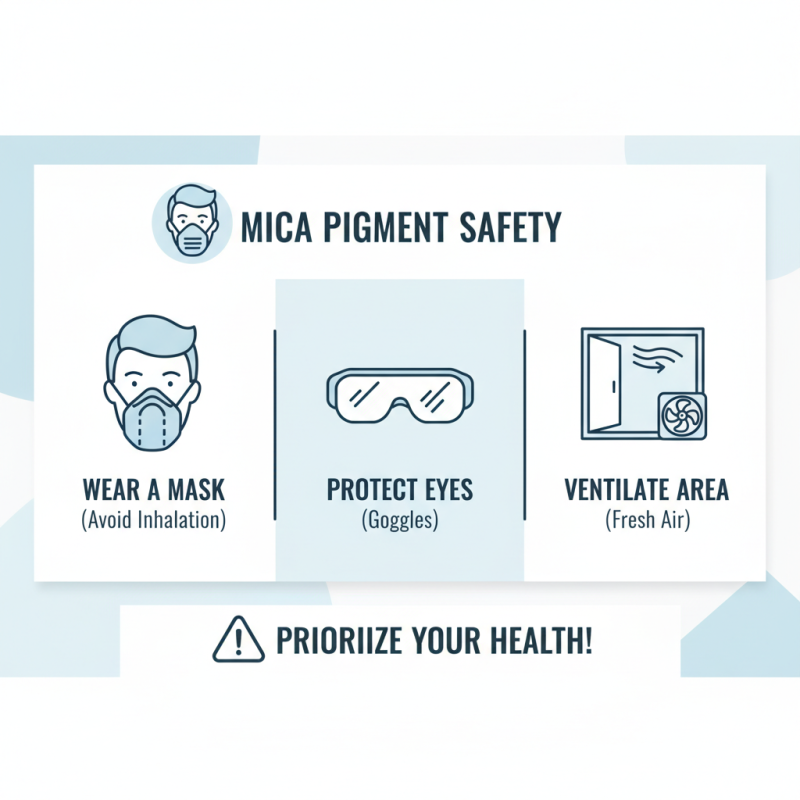
When working with mica pigment powder, safety should be a priority. Always wear a mask to avoid inhaling fine particles. Goggles can prevent irritation to your eyes. This can be especially important when mixing or pouring pigment. Also, ensure your workspace is well-ventilated. Open windows or use fans to circulate air. It’s easy to forget these steps, but they are vital for your health.
Keep your materials organized. Use labeled containers to avoid mix-ups. An organized space can reduce frustration and mess. When measuring mica, use a small scoop. Avoid spilling; this can cause waste and mess. If you spill, clean it up immediately. Mica can be tricky on surfaces. It leaves a glimmering track that can be hard to remove.
Take your time with projects. Rushing can lead to mistakes. Always test colors before final use. Sometimes the result differs from the expected hue. This can be surprising! Keep a notebook of your mixtures for future reference. Experimentation is key. Mistakes can lead to unique creations, but reflection on them is essential for improvement.