How to Use Mica Color Powder for Crafting and Art Projects?
Mica Color Powder has transformed the world of crafting and art projects. Experts in the field emphasize its versatility and vibrant choices. Renowned artist Sarah H. once stated, "Mica Color Powders bring life to any creative work."
These fine powders can enhance resin art, paintings, and even DIY cosmetics. Using Mica Color Powder in your projects opens up a realm of possibilities. The shimmering effect captures light beautifully, giving depth and richness to creations. Whether you are a beginner or an advanced artist, understanding its application is essential.
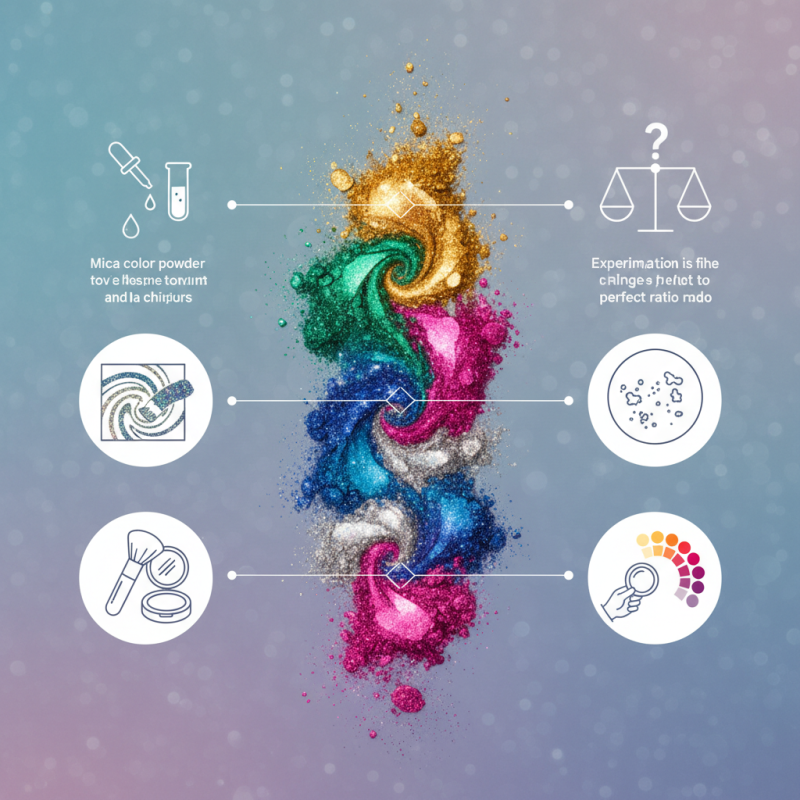
However, exploring Mica Color Powder is not without challenges. Mixing it into mediums can sometimes lead to uneven distribution. Artists may often find themselves questioning the perfect ratio for achieving the desired color intensity. With practice and experimentation, you can master its use. Embracing this slight imperfection can lead to unique outcomes in your artistic journey.
Understanding Mica Color Powder: What It Is and Its Uses
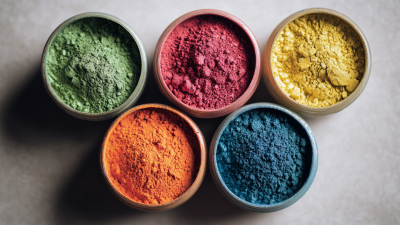
Mica color powder is a versatile material used in various crafting and art projects. Its origins trace back to natural mica, a mineral that is finely ground and transformed into a pigment. According to industry reports, the global mica market size is projected to reach USD 1.5 billion by 2025, reflecting its growing popularity in art supplies and cosmetics.
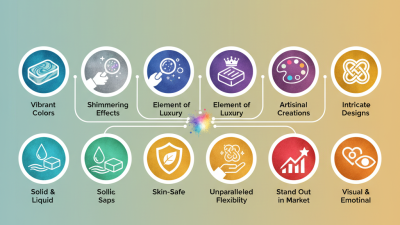
One of the major appeals of mica powder lies in its vivid colors and shimmering effects. Artists often utilize it in resin art, soaps, and pigments to achieve a unique finish. Roughly 30% of crafters report using mica for its metallic luster. However, incorporating mica requires precision. Mishandling it can lead to uneven applications, diminishing the artwork's appeal. The need for careful mixing and application is essential.
Moreover, environmental considerations are vital in the mica industry. Reportedly, about 20% of mica mined today is sourced from unregulated areas. This raises ethical concerns regarding sustainability and fair labor practices. As artists seek to create beautiful pieces, they must also reflect on their material choices and the impact on communities. Balancing creativity with social responsibility is crucial in today’s crafting landscape.
Choosing the Right Mica Color Powder for Your Project
Choosing the right mica color powder is crucial for any crafting or art project. The variety of colors and effects available can be overwhelming. According to recent industry data, the global mica powder market is projected to reach $1 billion by 2025, reflecting its growing popularity among artisans. Artists often desire vibrant colors that showcase their creativity, but selecting the right shade can significantly impact the final piece.
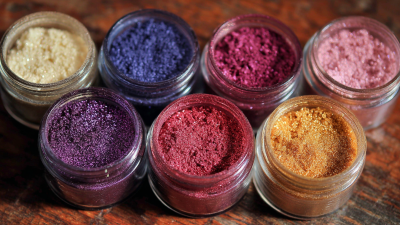
When choosing mica powder, consider its intended use. For resin art, a finer powder might be more effective. This allows for better mixing and vibrant finishes. However, larger particles can create interesting textures when used in mixed media. It's essential to experiment. Sometimes, you may find that a color you expected to work falls flat. This reflects the nuances of color mixing and light interaction, which are often overlooked.
Understanding the properties of mica powder is also important. Some powders can be more transparent, while others have higher opacity. This variability can lead to unexpected outcomes. It's helpful to sample a few different options before committing to a large quantity. Even experienced crafters can make choices they regret. This process of trial and error is part of the artistic journey. Each mistake brings valuable learning experiences.
Preparing Your Workspace and Materials for Mica Application
Preparing your workspace for mica application is essential for a smooth crafting experience. Begin by selecting a clean, clutter-free area. A well-lit space helps to see mica colors vividly. Lay down a protective covering on your work surface. Use newspaper or a plastic sheet to catch any spills. This will save time on cleanup later.
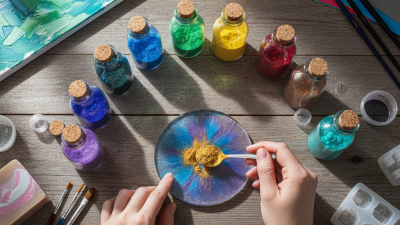
Gathering your materials is equally important. You will need mica powders, mixing containers, and applicators. A small set of brushes will help achieve fine details. Spoons or spatulas work well for mixing. It’s wise to wear gloves. Mica can be a bit messy, and you don’t want to leave traces on your skin. Don’t be afraid to experiment with your color combinations.
Remember, perfection isn't the goal. If you spill some mica powder, it can lead to unexpected effects. Embrace these moments; they can spark creativity. Making mistakes might lead to new, unique designs. So, as you prepare, allow some flexibility in your process.
Techniques for Using Mica Color Powder in Various Art Forms
Mica color powder is a vibrant medium for artistic expression. It can add depth and shimmer to various projects. When using mica, consider the technique that fits your artwork.
In painting, mix mica powder with your paint to create shimmering effects. A small amount goes a long way. When adding to resin, ensure you mix thoroughly. However, it's easy to overdo it. Too much mica can dull your colors. Experiment with ratios. Find the perfect balance for your vision.
For crafts, sprinkle mica powder on adhesives or wet surfaces. It gives a lovely sparkle to cards and decorations. Be mindful of the application method. An uneven sprinkle can look messy. Practice on scrap materials before using them on your main project. Always take time to reflect on your technique. Each mistake teaches you. Embrace the imperfections as part of your creative journey.
Tips for Mixing and Storing Mica Color Powder for Longevity
Mica color powder can elevate your crafting and art projects. However, proper mixing and storage are crucial for keeping it vibrant and usable.
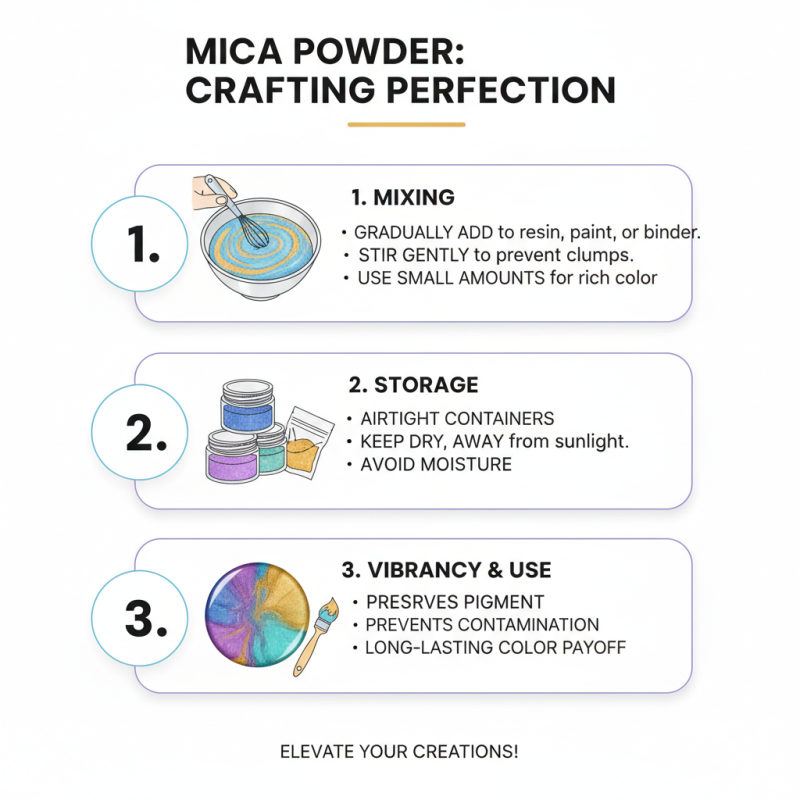
When mixing mica powder, it’s essential to start small. Too much can overwhelm your project. Use a clean, dry container to avoid contamination. A drop of clear, low-viscosity medium can help to disperse the powder evenly. Always mix thoroughly until you achieve a smooth consistency. Allow your mixture to rest for a bit; it often helps in achieving better integration.
For longevity, store unused mica powder in airtight containers. Keep them in a cool, dry place, away from sunlight. Remember, moisture is the enemy! Label each container to avoid confusion later. It’s easy to forget which color is which. Be mindful; even a small amount of moisture can clump the powder, making it less effective for future projects. Reflect on your storage habits. Are you keeping your workspace tidy? Organization can save time and frustration.