How to Use Chameleon Powder Pigment for Stunning Effects?
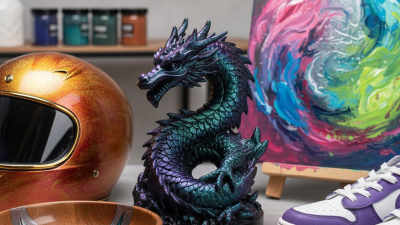
Chameleon Powder Pigment has taken the art world by storm. This innovative material creates stunning color-shifting effects that can transform any surface. Renowned artist Sarah Mitchell, an expert in pigment application, once said, “Chameleon Powder Pigment opens up new dimensions in creativity.” Her insight highlights the potential of this medium.
Using Chameleon Powder Pigment requires practice and an eye for detail. Artists must experiment with application techniques to achieve the desired results. Even seasoned professionals can find challenges when combining colors. The shifting hues can be mesmerizing but daunting. Understanding the intricacies of this pigment is essential for achieving professional outcomes.
Incorporating Chameleon Powder Pigment into projects invites a playful exploration of color. Mistakes can lead to unexpected beauty. It’s essential to embrace the learning process. Each attempt enriches the artist's skill set and understanding of color dynamics. Sharing these experiences fosters a community of creativity, pushing the boundaries of what’s possible.
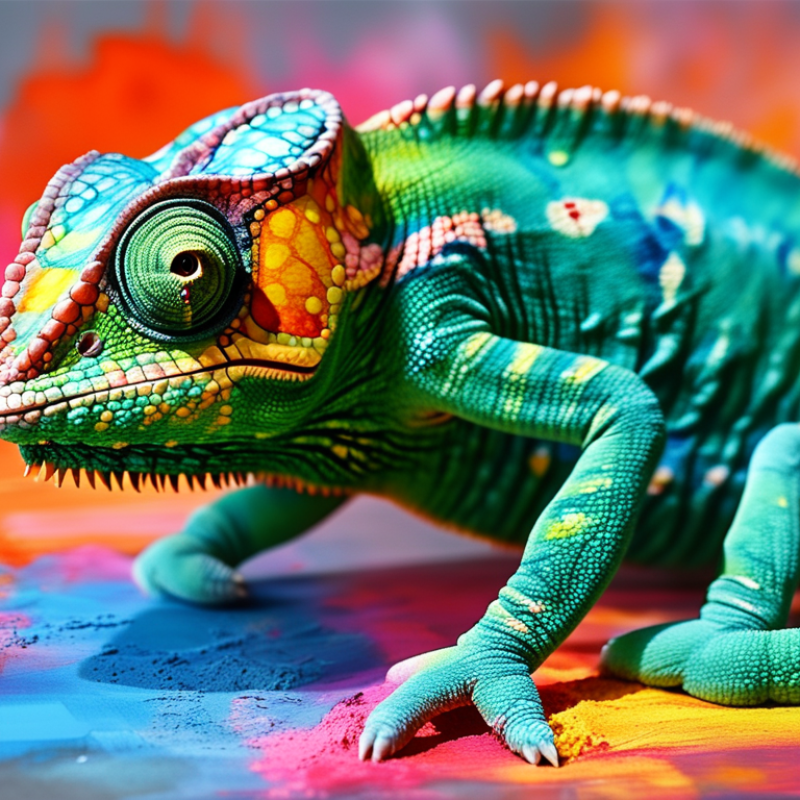
Understanding Chameleon Powder Pigments and Their Unique Properties
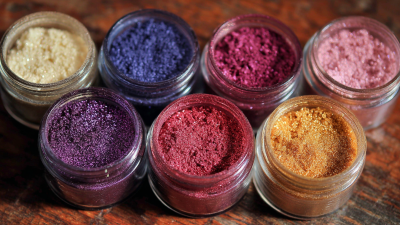
Chameleon powder pigments have gained popularity in recent years due to their unique properties. These pigments shift colors based on viewing angles and lighting conditions. This optical phenomenon, known as color interference, results from the material's layered structure. A study published in the Journal of Applied Physics highlights the growing demand for such pigments in various industries, including cosmetics, automotive, and packaging, with a projected growth rate of 4.5% annually.
Tips for using chameleon powder: Start with a clean surface. This ensures better adhesion. Experiment with different application techniques. Each method can yield a different visual effect. Layering pigments can also enhance depth. It’s crucial to choose a high-quality base medium to maintain the pigment's vibrancy.
Although chameleon powders provide breathtaking effects, achieving consistency can be challenging. Factors like humidity and temperature can affect the outcome. Even experienced artists sometimes struggle to replicate a desired hue. Thus, testing in small batches is advisable. Learning from these discrepancies can lead to improved results in future projects.
Selecting the Right Chameleon Powder for Your Project
When selecting the right chameleon powder for your project, consider the specific effects you aim to achieve. Chameleon powders shift colors based on light and angle, creating unique visual experiences. Industry reports indicate that color shifting can increase consumer engagement by 30%. This makes chameleon powder a smart choice for crafts, automotive finishes, and visual art.
Key factors include particle size and color range. Finer particles reflect light differently compared to larger ones. If your project requires vivid contrasts, opt for powders that provide a broad spectrum of colors. Typically, powders with a smoother texture yield a more intense effect. Experimenting with various combinations can lead to unexpected results, encouraging further exploration of your creativity.
Tips: Always start with a small test area before full application. This way, you can see how the powder reacts under different lighting. Sometimes, the results may not match initial expectations, prompting reevaluation of your approach. Remember, the beauty of chameleon powder lies in its unpredictability; embrace the uniqueness it can bring.
Preparing Your Surface for Optimal Chameleon Powder Application
Preparing your surface is essential for a successful chameleon powder application. Start by cleaning the surface thoroughly. Dust, dirt, and grease can affect the pigment's adhesion. Use a soft cloth and a suitable cleaner for the material. Allow it to dry completely before proceeding. This step is often overlooked but is crucial for achieving a smooth finish.
Next, consider the surface texture. Smooth surfaces tend to work best with chameleon powder. If the surface is rough, it may lead to uneven results. Sanding the surface lightly can help. This task requires time and patience, but it's worth it. Ensure you wear a mask and protect your eyes during this process.
Experimenting with primer can also enhance the final effect. A base coat that complements the chameleon powder can amplify its shifting colors. Test a small area first. Not all combinations will yield ideal results. Take notes on what works and what doesn’t. This can guide your future projects, helping you refine your technique.
Techniques for Applying Chameleon Powder for Best Effects
Chameleon powder pigment can elevate your art to new heights with its shimmering effects. To achieve stunning results, focus on application techniques that maximize its unique properties.
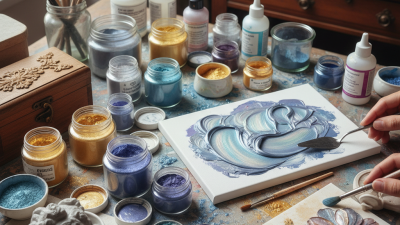
Start with a clean surface. Ensure that your base layer is dry and smooth. This permits the pigment to adhere effectively. Applying a matte finish underneath can help the powder stick better. Use a small brush or your fingers for precise placement. This can create highlights or interesting textures. You might notice uneven areas initially; that’s okay. It adds character and depth. Don’t be afraid to experiment!
Tips: Layering is key to creating depth. Apply multiple thin layers rather than one thick coat. This approach enhances the color shift. You can also try different application tools. Sponges can blend softer transitions, while hard brushes can create sharper lines.
Don’t expect perfection on the first try. Chameleon powders can be unpredictable. It may take time to find the right balance for your projects. Each piece becomes a learning experience. Embrace the process. Reflect on what works and what needs adjustment. This will refine your technique over time, leading to truly stunning effects.
How to Use Chameleon Powder Pigment for Stunning Effects?
Tips for Finishing and Preserving Chameleon Powder Designs
Chameleon powder pigment can transform ordinary designs into extraordinary artworks. However, preserving these stunning effects requires careful attention to detail. After applying the chameleon powder, give it time to settle. Allow it to set properly before handling the piece. This step is crucial as rushing can lead to smudged or uneven finishes.
Finishing touches play a significant role in the longevity of your chameleon designs. Use a clear, protective sealant to lock in the color. Choose a sealant that dries clear without altering the pigment's appearance. A matte finish can help maintain the powder's unique look, while a glossy finish can enhance vibrancy. Ensure that the sealant is compatible with your base material to avoid any adverse reactions. Sometimes, trial and error is needed to find the right combination, as not every sealant yields perfect results.
Finally, store your finished pieces in a safe, dry place. Avoid exposure to direct sunlight, as this can dull the chameleon effect over time. Regular touch-ups might be necessary to keep your pieces looking fresh. Reflecting on your techniques can lead to improved outcomes in future projects. Embrace imperfections as learning opportunities to develop your craft.
How to Use Chameleon Powder Pigment for Stunning Effects? - Tips for Finishing and Preserving Chameleon Powder Designs
| Aspect |
Technique |
Tips |
Preservation Method |
| Application Surface |
Use a smooth base coat |
Ensure surface is clean and free of dust |
Seal with a compatible top coat |
| Mixing Techniques |
Mix with a clear medium |
Experiment with ratios for different effects |
Store mixture in an airtight container |
| Layering |
Apply in thin layers |
Allow layers to dry completely before adding more |
Use a UV-protective top coat |
| Color Shifting |
Use on contrasting backgrounds |
Test on samples to see shift in colors |
Keep away from direct sunlight |
| Finish |
Top with a glossy finish |
Choose finishes that enhance color effects |
Apply finishes gently to avoid disturbing the pigment |