How to Use Chameleon Powder Pigment for Stunning Art Projects?
Chameleon Powder Pigment has revolutionized the art community, captivating artists with its vibrant color-shifting properties. Renowned artist and pigment specialist, Lisa Mendoza, emphasizes, “Chameleon Powder Pigment transforms ordinary projects into extraordinary creations.” This sentiment resonates with many artists who seek to elevate their work using innovative materials.
The allure of Chameleon Powder Pigment lies not only in its stunning visual effects but also in the unique techniques it allows. Artists experiment with layering and blending to achieve a dynamic range of colors that can shift with light. However, mastering its application requires patience and practice. The right technique can lead to breathtaking results, but mistakes can easily occur.
While the potential of Chameleon Powder Pigment is exciting, artists must remain open to exploration and learning from failure. Each project offers a chance to refine skills and discover new methods. Embracing imperfections in the process can lead to unexpected and beautiful outcomes. In the world of art, growth often stems from experimentation, especially when using transformative materials like Chameleon Powder Pigment.
Understanding Chameleon Powder Pigment and Its Unique Properties
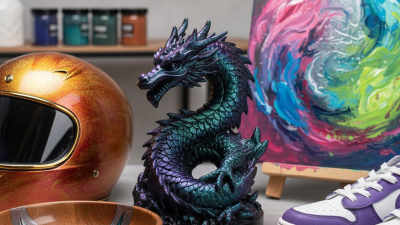
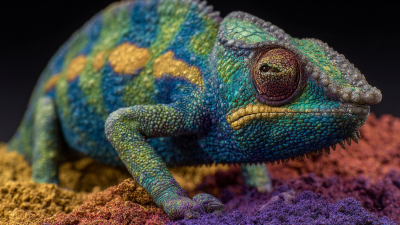
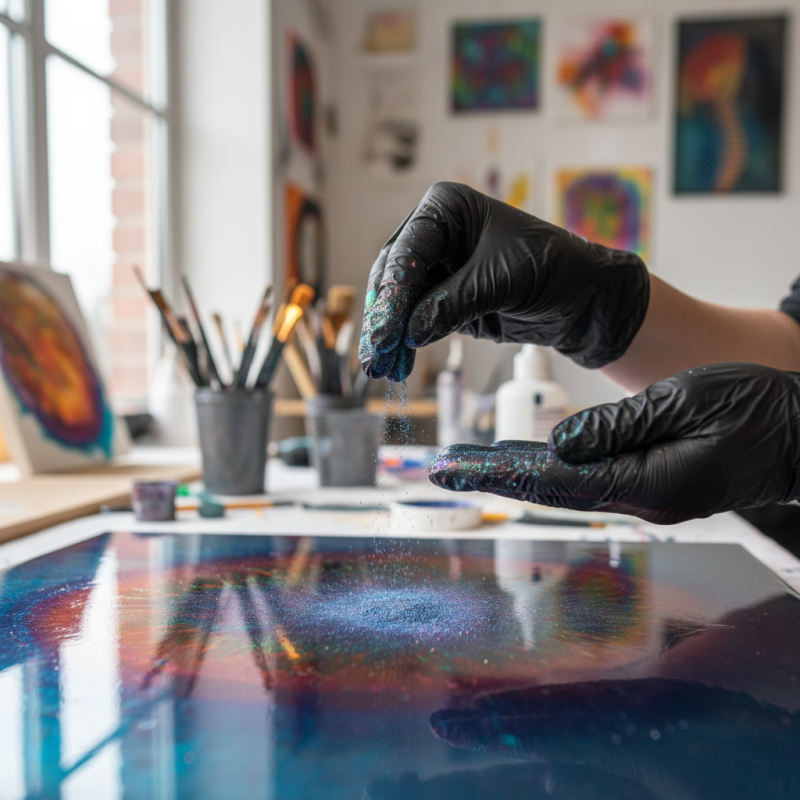
Chameleon powder pigment is a fascinating material for artists. Its unique property of shifting color depending on the angle of view and light makes it stand out. This iridescent effect can create depth and intrigue in various art projects. When applied correctly, the colors appear to change from one hue to another. This can enhance the overall impact of your artwork.
Using chameleon powder requires some technique. The powder is fine and can be messy, so it's essential to work in a well-prepared area. Experimenting with different mediums can yield varying results. For instance, using it on a dark background can enhance its vibrancy. However, be aware that not all surfaces react the same way to the pigment. Some may absorb the color too much, while others might not show the effect at all.
The application method also plays a significant role. A thin layer may produce a subtle shimmer, while a thicker layer can be more dramatic. Artists need to find the right balance. Sometimes, trial and error can help achieve that desired effect. You might end up with unexpected results, which can be frustrating but also rewarding. Exploring these imperfections can lead to new creative ideas. Each piece becomes a unique expression of your journey with chameleon powders.
Choosing the Right Surface for Applying Chameleon Powder Pigment
When selecting a surface for chameleon powder pigment, consider the texture and material. A smooth, non-porous surface typically delivers the best results. This allows the pigments to reflect light, enhancing their color-shifting properties. Materials like acrylic sheets and glass are ideal. They provide a clean canvas for vibrant effects.
The results can vary based on the surface. For example, a study published in the *Journal of Coatings Technology* noted that different substrates yield different levels of gloss and color intensity. Artists using chameleon pigments can achieve up to 30% more vibrancy on glossy surfaces compared to matte finishes. This highlights the importance of surface selection in achieving desired artistic outcomes.
However, not all surfaces are user-friendly. Porous surfaces can absorb some pigments, dulling the color shift effect. An artist might also find that certain paints interact poorly with the powder. Issues like uneven application and adhesion can arise on textured surfaces. Painstaking trial and error is sometimes necessary to perfect the technique. Reflect on what works best for your style and project.
Chameleon Powder Pigment Usage on Different Surfaces
Techniques for Applying Chameleon Powder in Art Projects
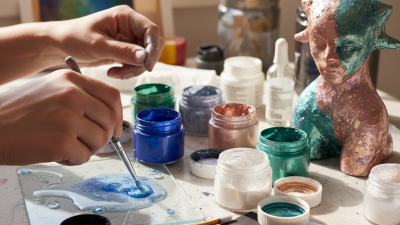
Chameleon powder pigment can elevate art projects with its unique color-shifting effects. The application techniques are crucial for achieving stunning results. For instance, using a dry brush technique allows artists to control the pigment's intensity. The effect often mesmerizes observers, especially when light hits the surface differently.
Mixing chameleon powder with a clear medium can enhance its visual appeal. A 2022 industry report noted that artists who combine the pigment with resin see increased depth in their work. This blend creates an immersive experience for the viewer. Experimenting with different mediums can lead to unexpected yet beautiful results. However, artists should be cautious. Over-application may lead to a muddied appearance.
Using a sponge for application introduces texture to the artwork. This method can produce uneven results, which may be desirable for some projects. The unpredictability of this technique allows for creative exploration but requires patience and practice. The beauty of chameleon powder lies in its versatility and potential for trial and error in various artistic expressions.
How to Use Chameleon Powder Pigment for Stunning Art Projects?
| Technique |
Description |
Recommended Medium |
Application Tips |
| Dusting |
Sprinkling the powder on wet surfaces for a shimmering effect. |
Acrylic paint |
Use a soft brush to spread evenly. |
| Layering |
Applying multiple layers for depth and complexity. |
Resin |
Allow each layer to dry before adding the next. |
| Mixing |
Combining with mediums to create custom colors. |
Oil paints |
Start with small amounts of powder. |
| Resist Techniques |
Using masking to create patterns with the pigment. |
Watercolor |
Ensure the mask is secure to prevent bleeding. |
| Application with Tools |
Utilizing sponges or stencils for specific designs. |
Spray paint |
Experiment with different pressure for varied effects. |
Creating Color Effects with Chameleon Powder: Tips and Tricks
Chameleon powder pigment is a versatile tool in your art kit. It adds vibrant, eye-catching color effects to various projects. Utilizing its unique properties can yield stunning outcomes. To get the most from this pigment, you need to focus on application techniques.
Start by experimenting with different mediums. Mixing chameleon powder with resin or acrylics can create amazing depth. Try applying a base coat of darker color first. This can enhance the chameleon's shifting colors when layered. Keep in mind, achieving the perfect look requires practice and patience. Sometimes the results might not match your vision.
Consider your light source as well. The color shift can vary greatly depending on lighting conditions. Testing in natural light gives more accurate results. Be willing to adjust your approach based on what you see. Not every attempt will dazzle, and that’s okay. Each experience teaches valuable lessons for future projects. Aim for trial and error. Embrace imperfections; they often lead to the most creative breakthroughs.
Sealing and Finishing Touches for Chameleon Pigment Artworks
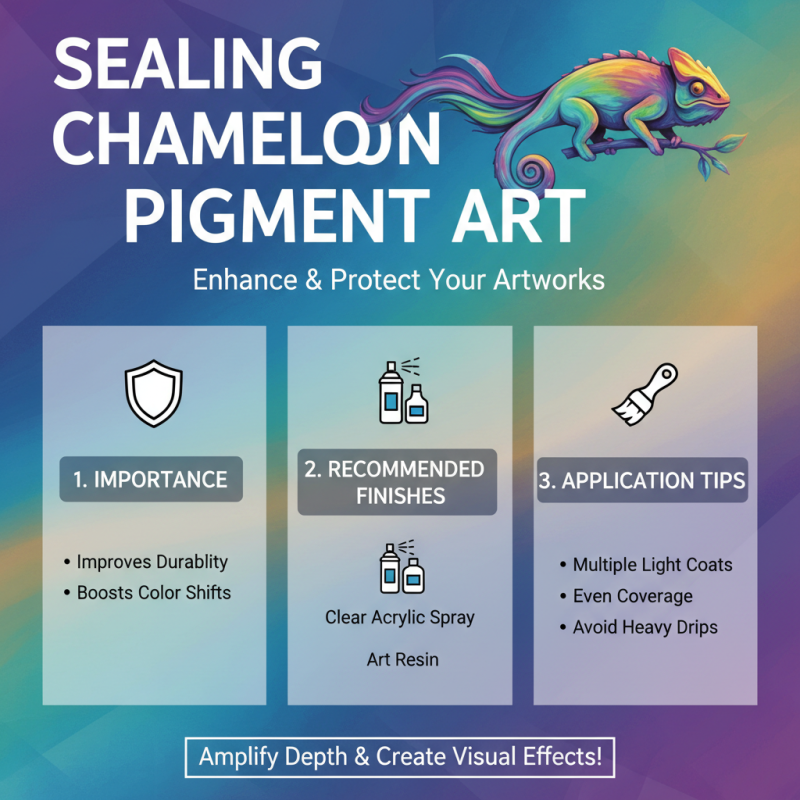
When working with chameleon powder pigment, sealing your artwork is crucial. A proper seal improves durability and enhances the pigment’s color shifts. Consider using a clear acrylic spray or resin to protect the surface. These finishes can amplify the depth of the pigments, creating a stunning visual effect. Apply multiple light coats for even coverage. Avoid heavy applications to prevent drips and unevenness.
Finishing touches can elevate your artwork. Experiment with different sealants to find what works best. Some artists prefer matte finishes, while others love glossy looks. Test small sections first. Remember, it can be challenging to remove a finish if you don’t like it. Be patient and allow ample drying time between coats. You may find inconsistencies in the application. If areas appear dull, a gentle buffing can help recover some luster. Each piece is a learning experience, leading to new techniques for future projects. Celebrate the imperfections; they tell a story.