Top 10 Uses of Mica Powder for Epoxy Coating Applications?
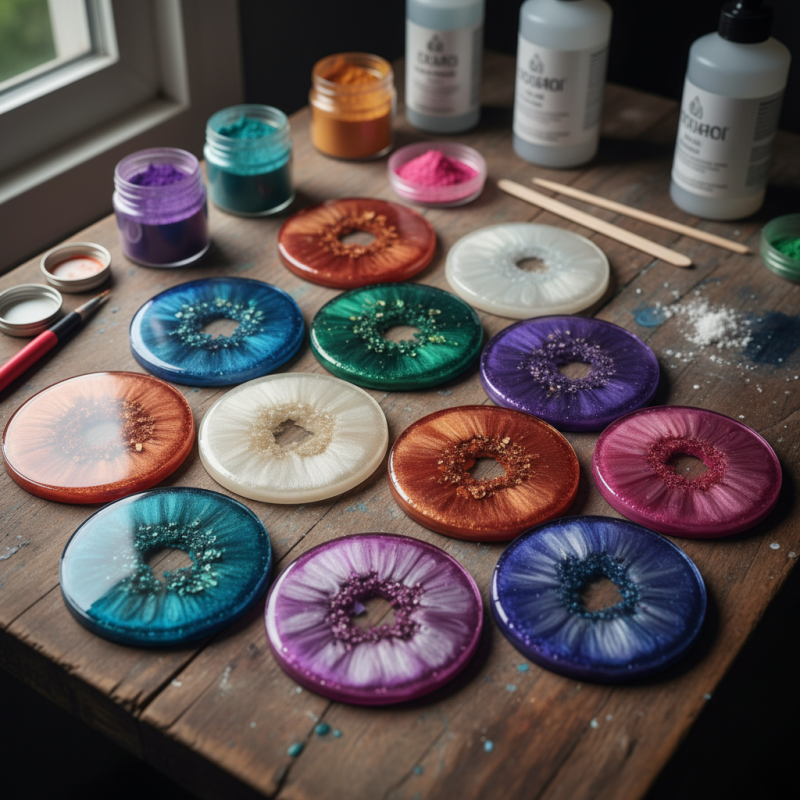
Mica powder for epoxy has gained popularity recently due to its unique properties. Many artists and craftsmen are turning to this versatile material. Its shimmering appearance adds stunning effects to any epoxy project.
Mica powder can enhance color depth and create beautiful, vibrant designs. It offers an array of colors and textures, making it ideal for various applications. When mixed into epoxy, it can reflect light in captivating ways. However, there can be challenges in achieving the perfect blend.
Mixing mica powder into epoxy isn't always straightforward. Sometimes, the powder may clump or sink, leading to uneven finishes. Proper technique and understanding are essential. Despite these challenges, the final results often justify the effort. Engaging with mica powder opens a world of creativity for epoxy enthusiasts.
Mica Powder: An Overview of Its Characteristics and Types
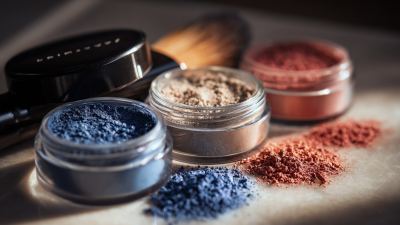
Mica powder is a natural mineral widely used in various industries, notably in epoxy coatings. It is characterized by its unique lamellar structure, which contributes to its aesthetic and functional properties. This powder is available in different types, each with specific applications. For instance, muscovite and phlogopite are the most common types used in coatings. They offer excellent thermal stability and electrical insulation, making them ideal for epoxy formulations.
Several industry reports highlight the growing demand for mica powder in the coatings sector. According to a 2022 market analysis, the mica powder market is projected to reach $1.5 billion by 2026. This growth is driven by the increasing application of epoxy coatings in automotive and construction industries. The reflective qualities of mica powder enhance the visual appeal of coatings. However, challenges exist, such as sourcing sustainable mica. Despite the benefits, the industry faces scrutiny over ethical mining practices.
Using mica powder in epoxy can improve durability and resistance to wear. In some cases, manufacturers reported that mica can enhance the adhesion properties of coatings. Yet, achieving the right balance of mica in formulations is complex. Too much can lead to a gritty texture, while too little may not provide adequate coverage. Continuous research is necessary to optimize the use of mica in coatings. Understanding the characteristics of various types helps manufacturers make informed decisions.
Top 10 Uses of Mica Powder for Epoxy Coating Applications
| Use Case |
Description |
Benefits |
Recommended Type |
| Colorant |
Used to add vibrant colors to epoxy coatings. |
Enhances aesthetic appeal and customization. |
Synthetic Mica |
| Texturing Agent |
Creates a textured surface on epoxy coatings. |
Improves slip resistance and visual texture. |
Natural Mica |
| Reflective Finish |
Provides a reflective quality to coatings. |
Enhances light reflection and gloss. |
Pearlescent Mica |
| Durability Enhancer |
Increases the durability of epoxy coatings. |
Enhances resistance to wear and tear. |
Filler Mica |
| UV Resistance |
Protects coatings from UV degradation. |
Extends the life of exterior applications. |
Coated Mica |
| Electrical Insulation |
Provides insulation properties in coatings. |
Enhances safety in electrical applications. |
Insulating Mica |
| Non-Toxicity |
Suitable for food-safe and non-toxic coatings. |
Safe for use in sensitive environments. |
Natural Mica |
| Low VOC |
Contains low volatile organic compounds. |
Healthier for indoor air quality. |
Eco-friendly Mica |
| Heat Resistance |
Withstands high temperatures in applications. |
Prevents coatings from degrading under heat. |
High-Temperature Mica |
| Custom Formulations |
Used in various custom epoxy mixtures. |
Allows tailor-made properties for specific needs. |
Specialty Mica |
The Role of Mica Powder in Enhancing Epoxy Coating Durability
Mica powder plays a crucial role in enhancing the durability of epoxy coatings. These coatings are widely used in various industries, including construction and automotive. According to a report by the Freedonia Group, the global demand for epoxy coatings is expected to grow by 5% annually, driven largely by their durability. Mica, as a natural mineral, contributes significantly to this property.
By adding mica powder, manufacturers can improve the resistance of epoxy coatings to scratches and abrasion. This detail is crucial, especially in high-traffic environments. Industries often report that incorporating mica extends the life of coatings beyond standard specifications. A study from the American Coatings Association shows that quality enhancements can lead to a performance increase of up to 30%. However, it’s essential to choose the right type of mica, as not all varieties will provide the same level of enhancement.
Despite these benefits, there are challenges. The sourcing of high-quality mica can be difficult. Some suppliers may not provide consistent product quality. This inconsistency can affect the final product’s performance. Moreover, the handling of mica powder requires careful attention to prevent health risks. Addressing these issues is critical for manufacturers seeking to optimize their epoxy coatings.
Creative Color Effects: Using Mica Powder in Epoxy Coatings
Mica powder is gaining popularity in epoxy coating applications. Its unique properties create vibrant colors and stunning effects. Artists and manufacturers alike cherish mica for its versatility. According to industry data, the global mica market is expected to grow at a CAGR of 6.3% from 2023 to 2028. This growth highlights the rising demand for more creative uses of materials in coatings.
When using mica powder in epoxy, you can experiment with color layering. Adding different shades can produce fascinating depth. The powder blends easily, providing smooth finishes. It's important to consider the pigment's transparency. Some mixtures may become dull or less vibrant than expected. Testing your mixtures before full application can reveal unexpected results.
Tips: Start with small batches to find your desired effect. Increase mica powder gradually for stronger colors. Don't forget about the curing process. Some combinations may alter drying times. Always monitor your project closely. Embrace the unique imperfections that may arise. They can add character and charm to your final piece.
Application Techniques: How to Incorporate Mica Powder into Epoxy
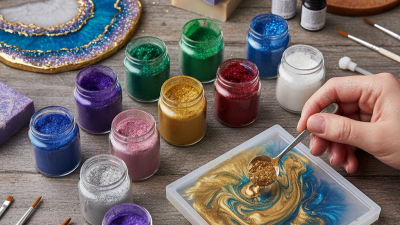
Incorporating mica powder into epoxy can enhance both the aesthetic and functional qualities of the final product. Start by measuring the epoxy resin and hardener accurately. Pay attention to the mix ratio, as a slight imbalance can impact curing. Gradually add mica powder into the mix. Stir it slowly to avoid creating bubbles. Achieving a uniform color takes patience. It's tempting to rush, but a well-blended mixture yields the best finish.
Experimenting with mica powder can be fun yet challenging. Different colors and particle sizes create unique effects. Consider testing small batches before committing to larger projects. This helps you evaluate pigmentation and physical properties. Sometimes, the color may shift after curing, which can catch you off guard. Adjusting the amount of mica powder can also change the transparency of the epoxy.
Don’t forget about application techniques. Pouring techniques vary greatly and can influence the final look. Using a brush or a pour-over technique delivers different textures. Layering can create depth but requires careful timing. Be mindful that certain approaches may leave imperfections, which might need touching up. Refining your technique takes time and practice.
Safety Considerations When Using Mica Powder in Coating Projects
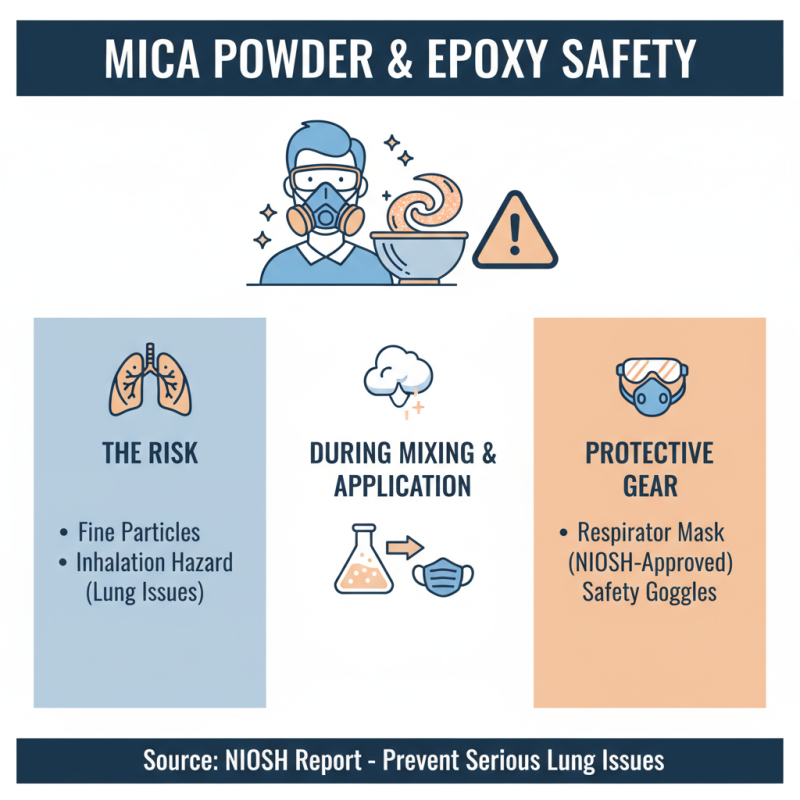
When using mica powder in epoxy coatings, safety is paramount. Mica powder can release fine particles during mixing and application. These particles pose inhalation risks. A report from the National Institute for Occupational Safety and Health (NIOSH) states that prolonged exposure to respirable crystalline silica can lead to serious lung issues. It's crucial to wear proper protective gear, including masks and goggles, to minimize exposure.
Proper ventilation is essential in workspaces. Lack of airflow can increase the concentration of airborne particles. According to the Occupational Safety and Health Administration (OSHA), maintaining a safe level of airborne dust is vital to health. Regularly checking local safety regulations helps ensure compliance. Additionally, having a first aid kit on hand is wise. It addresses any minor accidents promptly.
Awareness of potential skin irritation is important. Mica powder can cause allergic reactions in sensitive individuals. Always perform a patch test before large applications. Training on handling materials safely enhances worker preparedness. A well-informed team is crucial for reducing risks. Mica powder's beauty is undeniable, but safety cannot be overlooked.