Top 10 Uses for Pearl Pigment Powder in Beauty and Art?
In the world of beauty and art, Pearl Pigment Powder has gained remarkable popularity. This versatile ingredient enhances products with a unique luster and depth. According to industry reports, the global market for cosmetic pigments, including pearl pigments, is expected to reach $25 billion by 2025. This growth reflects the increasing demand for innovative formulations.
Artists and beauty professionals utilize Pearl Pigment Powder in various ways. For example, it's commonly used in highlighters and eyeshadows, providing a shimmering finish. The fine particles of this powder create stunning effects, capturing light beautifully. However, achieving the perfect application can be challenging. Overuse can lead to a chalky appearance, which may detract from its allure.
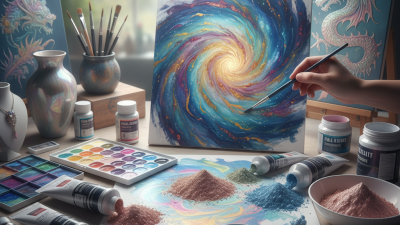
Moreover, the use of Pearl Pigment Powder is not limited to beauty. It also finds applications in decorative arts, where it adds visual depth to paintings and crafts. The vibrant colors and reflective properties open new creative avenues. Yet, artists often struggle with consistency in color blending. Balancing pigment levels can be tricky, and sometimes, experimentation is necessary. As the industry evolves, so does the understanding of how to best use this captivating powder.
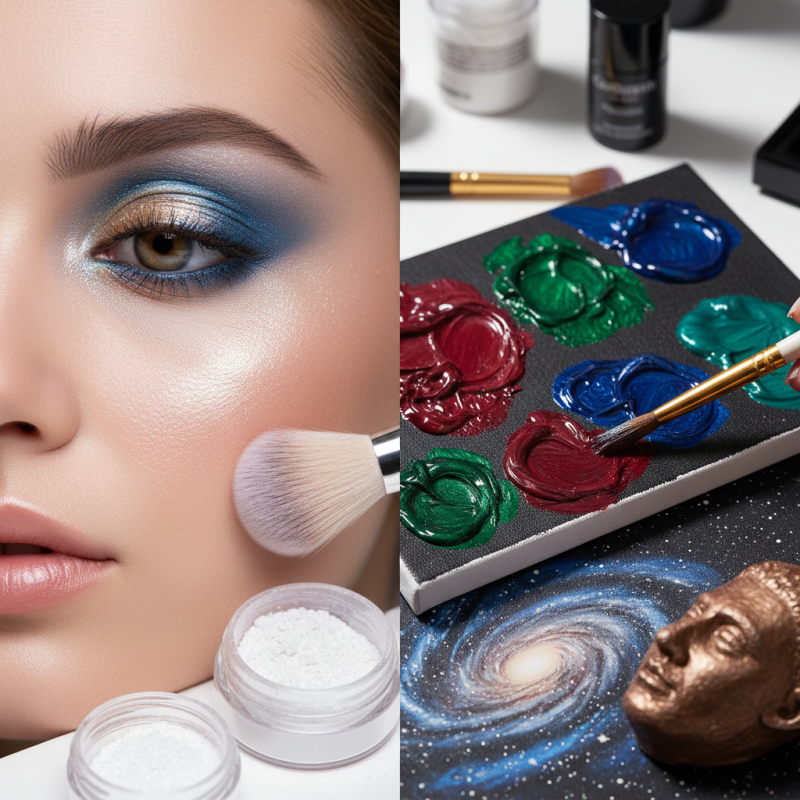
Introduction to Pearl Pigment Powder in Beauty and Art
Pearl pigment powder has emerged as a versatile ingredient in both the beauty and art industries. This fine powder, known for its shimmering effects, is derived from natural sources. According to the Global Color Pigments Market Report, the demand for pearl pigments is expected to grow steadily, driven by innovations in formulations. Over 30% of consumers report preferring products with a luminous finish, suggesting a shift toward more radiant aesthetics.
In beauty, pearl pigments enhance makeup by imparting a radiant glow. They can be found in foundations, eyeshadows, and nail polishes, adding depth and allure to products. The powder creates a sophisticated finish, allowing users to achieve a natural luminosity. Many consumers, however, may not realize the importance of formulation balance. Overusing these pigments can lead to an unnatural look. Finding that sweet spot is crucial.
In the world of art, pearl pigment powder opens avenues for creativity. Artists use it in painting and crafts, creating unique textures and depth. Its reflective quality can transform standard art pieces into captivating works. Yet, the powder can be tricky to work with. Too much can overshadow other colors, leading to a lack of harmony. Artists often need to experiment to find the ideal blend, ensuring their vision is fully realized.
Top 10 Uses for Pearl Pigment Powder in Beauty and Art
Common Ingredients and Composition of Pearl Pigment Powder
Pearl pigment powder has gained popularity in various industries, particularly in beauty and art. Its unique composition plays a vital role in its application. Typically derived from natural sources, pearl pigments include mica, titanium dioxide, and iron oxides. These ingredients create a shimmer and depth, enhancing visual appeal. According to a report by Grand View Research, the global market for color pigments is expected to reach $26.9 billion by 2027, highlighting the growing interest in materials like pearl pigments.
Mica serves as the primary base for pearl pigments. This mineral offers a silky texture and light-scattering properties. It reflects light beautifully, creating a soft glow. Recent studies suggest that about 60% of consumers prefer products with natural-looking finishes. Artisans incorporate pearl powder to achieve various effects, from subtle highlights to vibrant metallics. However, sourcing mica can be problematic. Ethical concerns regarding mining practices have emerged. The industry seeks improvements in sustainability practices.
Additionally, pearl pigments come in different particle sizes, influencing their application. Coarser particles create more intense effects, while finer particles achieve softer, nuanced tones. Artists need to be mindful of these variations. They should test the pigments for compatibility with different mediums. Some batches may vary in color consistency, posing challenges during projects. Regular quality checks are essential for reliable outcomes. As the demand for innovative art supplies rises, understanding the fundamentals of pearl pigment powder is crucial.
Top 5 Beauty Applications of Pearl Pigment Powder
Pearl pigment powder has gained immense popularity in the beauty industry. Its iridescent finish enhances products like makeup, skincare, and body art. According to a recent industry report, the global cosmetic pigments market is expected to reach over $22 billion by 2024. This growth reflects the increasing demand for versatile ingredients like pearl pigments.
One primary use is in highlighters. These products often contain fine pearl powders, providing skin with a dewy glow. In an era where luminous skin is in vogue, pearl pigments meet this demand beautifully. Another application is in eyeshadows. The shimmering effect of pearl powders adds depth and dimension to eye makeup. Users often seek palettes that incorporate these pigments for vibrant color payoff.
Tips: When using pearl pigment in formulations, remember that less is often more. Too much can lead to an overwhelming glittery look. Start with a small amount and gradually increase as needed. Also, consider the base product; a cream will hold pigment differently than a powder.
Lip products are also benefiting from pearl pigments. Lip gloss and lipstick infused with these powders create a captivating, three-dimensional effect. While they offer a luxurious look, achieving the right balance can be tricky. Too much can result in uneven application, so practice is key to perfecting this technique.
Top 10 Uses for Pearl Pigment Powder in Beauty and Art
| Usage |
Description |
Category |
Application Level |
| Makeup |
Used in highlighters and eyeshadows for a luminous finish. |
Beauty |
Professional |
| Nail Art |
Enhances nail polishes and gel for iridescent effects. |
Beauty |
Amateur |
| Art Supplies |
Mixed with paints for vibrant, shimmering artworks. |
Art |
Professional |
| Cosmetic Formulations |
Added to lotions and creams for a glossy touch. |
Beauty |
Commercial |
| Face Painting |
Creates eye-catching designs with a pearlescent finish. |
Art |
Professional |
| Craft Projects |
Used in DIY crafts to add shimmer to various materials. |
Art |
Amateur |
| Body Products |
Incorporated into body lotions for an all-over glow. |
Beauty |
Commercial |
| Textile Dyeing |
Used in fabric paints for adding shimmer to textiles. |
Art |
Commercial |
| Hair Products |
Added to hair sprays for a sparkling finish. |
Beauty |
Commercial |
| Decorative Cosmetics |
In lip gloss and blush for highlighting features. |
Beauty |
Professional |
Exploring Creative Uses of Pearl Pigment Powder in Art
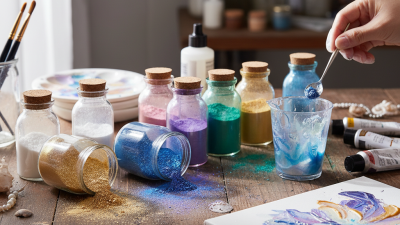
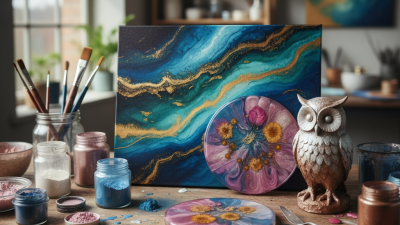
Pearl pigment powder offers a unique sheen that can transform various art projects. Artists can mix it into paints for a luminous effect. Adding it to acrylics creates eye-catching highlights. When used in resin art, it brings captivating depth. The subtle shimmer catches light beautifully, making artwork stand out.
In mixed media, pearl pigments can enhance texture. Sprinkle them onto wet paint for unexpected sparkles. They can be layered, allowing for experimentation with color and light. However, achieving a balanced effect can be tricky. Too much can overshadow the base colors. It’s essential to practice restraint and observe how it interacts with other materials.
For DIY enthusiasts, adding pearl pigment to homemade candles creates a stunning visual appeal. The powder diffuses gently as the candle burns, creating a magical ambiance. But note that too much can affect candle consistency. It requires a thoughtful approach to blend aesthetics and functionality. Overall, the creative possibilities with pearl pigment powder are vast and intriguing.
Tips for Mixing and Applying Pearl Pigment Powder Effectively
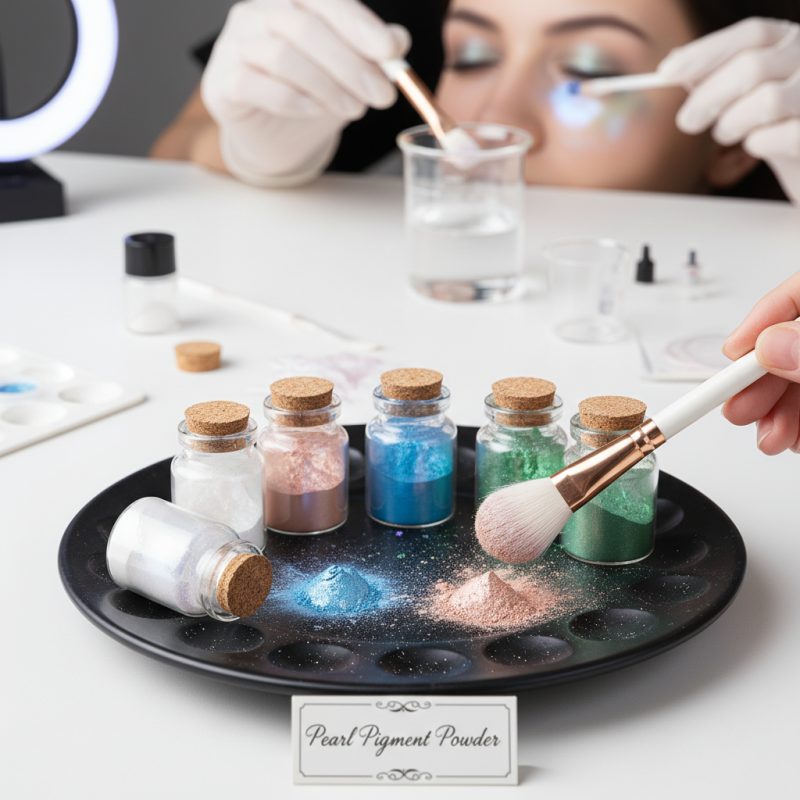
Pearl pigment powder is increasingly popular in the beauty and art sectors. Mixing it correctly can enhance the final product significantly. Start by ensuring you have a clean workspace. Contaminants can affect the vibrancy of your mixture. A small, clean brush is ideal for scooping pigment. Measure out the desired amount, but remember that a little goes a long way.
When mixing with mediums, such as oils or gels, a good ratio is essential. Industry standards suggest using two parts medium to one part pigment. This balance helps in achieving a smooth consistency. Apply the mixture with even strokes. Avoid overworking the pigment, as this can disrupt the shimmer effect.
In application, layering is key. Experts recommend a light wash followed by builds of pigment. This method enhances depth. For makeup, consider using a setting spray to lock in the sheen. Data shows that nearly 70% of users find layered applications more satisfying. Pay attention to how the light interacts with the pigment. Sometimes, the results can surprise you. Even experienced artists may find unexpected outcomes. Embrace those moments to refine your technique.