Top 10 Mica Paint Powder Tips for Stunning Art and Craft Projects
Mica Paint Powder has become a popular choice among artists and crafters seeking to add a dazzling finish to their projects. Renowned artist and mica expert, Sarah Thompson, emphasizes the transformative power of this medium, stating, "Mica Paint Powder is not just a pigment; it’s a creative tool that brings your art to life with shimmering depth and vibrancy." With its unique reflective properties, mica allows for a range of applications, from painting to resin work, making it an essential material in the toolkit of any craft enthusiast.
In an era where individuality and personalization in art are highly valued, understanding the nuances of Mica Paint Powder can elevate your creations. This versatile substance comes in various colors and textures, enabling artists to experiment with layering and mixing techniques to achieve stunning visual effects. In this article, we will explore the top 10 tips for effectively using Mica Paint Powder in your art and craft projects, ensuring that you can unleash your creativity and captivate your audience with every piece. Whether you are a seasoned artist or just starting, these insights will help you make the most of this enchanting medium.
Understanding Mica Powder: Properties and Uses in Art
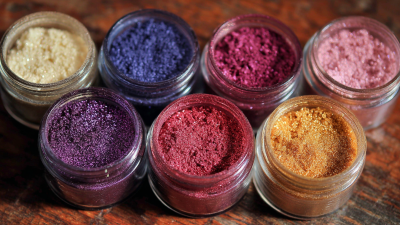
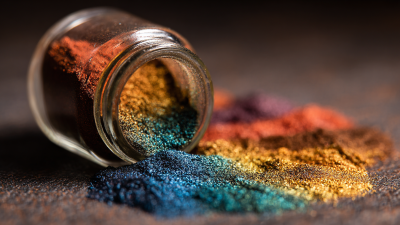
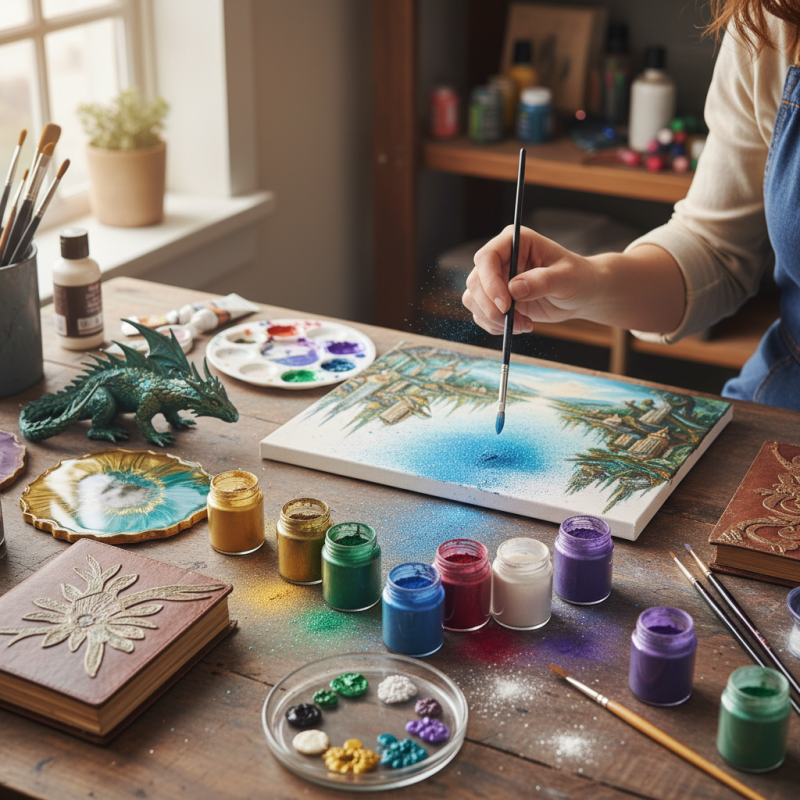
Mica powder is a versatile and captivating medium used in various art and craft projects. Derived from natural minerals, it boasts a unique shimmering quality that can elevate the visual appeal of any creation. The fine particles reflect light, creating a stunning iridescence that is particularly sought after in painting, resin art, and various DIY crafts. Artists and crafters appreciate mica powder for its easy blendability with other materials, making it ideal for achieving a wide range of effects—from subtle, soft glows to vibrant bursts of color.
One of the distinguishing characteristics of mica powder is its non-toxic and eco-friendly nature, which makes it suitable for a variety of applications, including cosmetic formulations and children’s crafts. Additionally, mica powder is available in a multitude of colors and finishes, allowing endless creative possibilities. When mixed with mediums such as acrylics, epoxies, or varnishes, mica powder enhances the depth and texture of the artwork, resulting in pieces that not only attract the eye but also draw attention through their tactile quality. Understanding and utilizing the properties of mica powder can greatly expand the potential for innovation in artistic expressions.
Choosing the Right Mica Paint Powder for Your Project
Choosing the right mica paint powder for your art and craft projects can greatly influence the final outcome of your work. Mica powder comes in a range of colors, sizes, and finishes, making it essential to select the type that best fits your project requirements. When starting out, consider the color palette you wish to achieve. Whether you’re aiming for vibrant hues or subtle earth tones, the right shade of mica powder can elevate your artwork. Additionally, think about the opacity you desire—some powders offer more transparency, which can be advantageous for layering techniques, while others provide full coverage for solid applications.
Another important factor to consider is the particle size of the mica powder. Fine powders tend to blend more seamlessly into mediums and can create intricate details, while coarser powders are excellent for achieving texture and depth. Pay attention to the desired finish as well; some mica powders have a shimmer or metallic sheen, which can add stunning effects to mixed media pieces, while others may have a matte finish for a more understated look. By carefully evaluating these aspects, you can select the ideal mica paint powder that aligns with your vision and enhances your creative projects.
Techniques for Mixing Mica Powder with Paint and Mediums
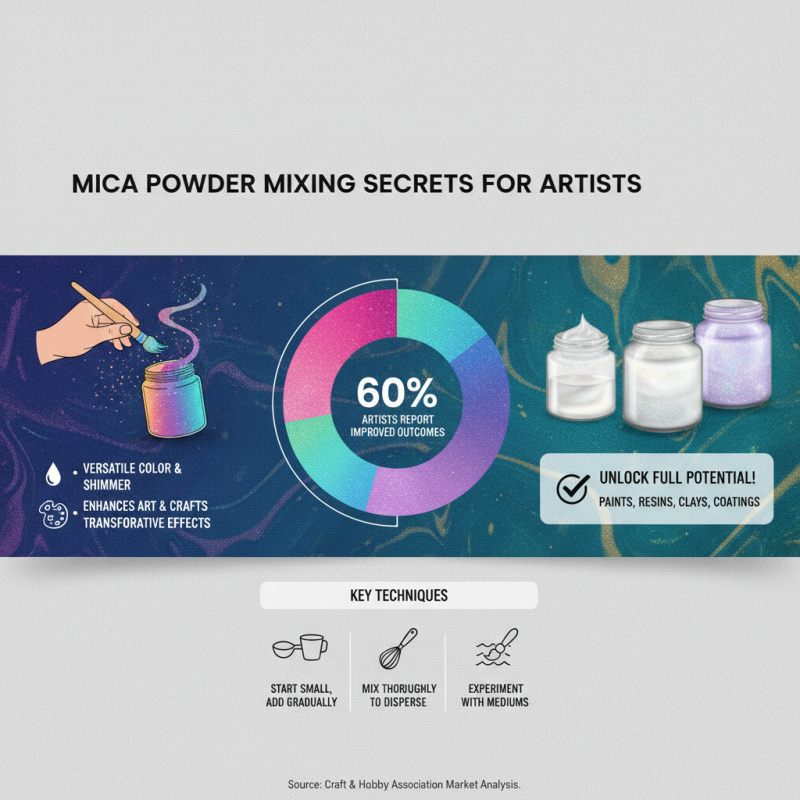
Mica powder has gained significant popularity in the art and craft community due to its versatility and vibrant color potential. When mixing mica powder with paint and mediums, it's crucial to understand the right techniques to achieve stunning results. According to a recent market analysis by the Craft and Hobby Association, approximately 60% of artists reported improved project outcomes when using mica powder in their mixes. This statistic underscores the importance of mastering the mixing process to harness the full potential of mica in your creations.
One effective technique involves mixing mica powder with a clear medium, such as acrylic gel or medium. This method not only enhances the binding properties but also allows for a more uniform distribution of color. A report published by the Journal of Color Science indicates that incorporating mica powder into clear mediums can amplify color vibrancy by up to 30%, resulting in eye-catching art pieces. Additionally, for those working with water-based paints, it's advisable to pre-mix mica powder with a small amount of water to create a smooth paste before incorporating it directly into the paint. This minimizes clumping and ensures an even application, allowing artists to achieve a seamless blend of hues in their projects.
Creative Ways to Incorporate Mica Powder in Crafts
Mica powder is a versatile material that can transform craft projects into stunning works of art. One creative way to incorporate mica powder is by mixing it with resin for jewelry making. The iridescent shimmer of mica enhances the natural beauty of resin, creating eye-catching pieces that can be customized with various colors. By layering different shades of mica powder in resin, crafters can create depth and dimension, resulting in unique jewelry designs that stand out.
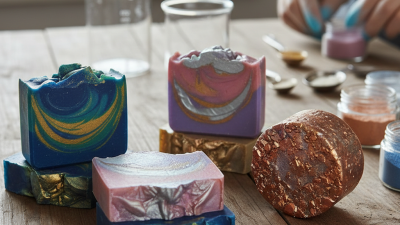
Another exciting application of mica powder is in handmade soap crafting. By adding mica powder to your soap base, you can achieve vibrant hues that are not only visually appealing but also safe for skin contact. The subtle sparkle from the mica gives the soap an added touch of elegance, making it perfect for gifts or personal use. Additionally, experimenting with different techniques, such as swirling or layering, allows for endless creativity, enabling crafters to express their individual styles through beautifully colored soaps.
Top 10 Mica Paint Powder Tips for Stunning Art and Craft Projects
| Tip Number |
Tip Description |
Application Method |
Recommended Project |
| 1 |
Mix with Clear Resin |
Stir mica powder into epoxy resin. |
Coasters and Jewelry |
| 2 |
Add to Paints |
Blend into acrylic or watercolor paints. |
Canvas Art |
| 3 |
Use in Soap Making |
Mix into melted soap base. |
Handmade Soaps |
| 4 |
Dust on Dried Projects |
Lightly brush on surfaces. |
Cards and Scrapbook Pages |
| 5 |
Create Color Sprays |
Mix with water in a spray bottle. |
Mixed Media Projects |
| 6 |
Incorporate in Candle Making |
Blend with melted wax. |
Decorative Candles |
| 7 |
Use in Polymer Clay |
Mix into clay before shaping. |
Unique Clay Designs |
| 8 |
Stir into Gesso or Gel Medium |
Combine before applying. |
Textured Art Pieces |
| 9 |
Enhance Embellishments |
Coat with mica powder. |
Crafts and Decorations |
| 10 |
Mix with Nail Polish |
Stir into clear polish. |
Custom Nail Designs |
Tips for Storing and Maintaining Mica Paint Powder Quality
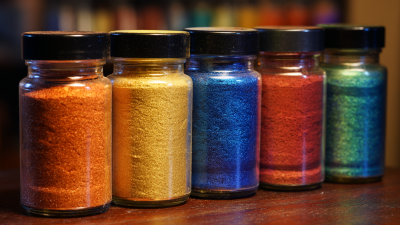
Proper storage is essential to maintain the quality of mica paint powder. To begin with, it's crucial to keep it in a cool, dry place away from direct sunlight and humidity, as these factors can lead to clumping and color fading. Airtight containers made of glass or plastic are ideal for storing mica powders, as they help to prevent moisture from entering the container. Labeling the containers can also facilitate easy identification, ensuring you can quickly access the colors you need for your art and craft projects.
When it comes to maintaining the quality of your mica paint, always remember to seal the containers tightly after each use. This practice minimizes the exposure to air and humidity, which can degrade the powder over time. Additionally, it’s advisable to avoid using metal tools when scooping out the powder. Instead, opt for plastic or wooden tools to prevent any chemical reactions that might alter the vibrant colors of your mica paint. By implementing these storage and maintenance tips, you can ensure that your mica powder remains in excellent condition, ready for all your creative endeavors.
Top 10 Mica Paint Powder Tips for Stunning Art and Craft Projects