What is Synthetic Mica and Why is it Popular in Cosmetics?
Synthetic Mica has emerged as a popular ingredient in the cosmetics industry. This shimmering mineral provides a lightweight texture and unique aesthetic appeal. Unlike natural mica, synthetic mica is produced through controlled processes, ensuring consistency and safety.
The rise of synthetic mica reflects a shift toward sustainable practices in beauty products. As consumers become more conscious of environmental impacts, alternatives to natural mica are sought. However, this trend is not without its flaws. Critics raise concerns about the production process, questioning whether it genuinely supports eco-friendly initiatives.
Despite these debates, synthetic mica remains a favored choice for many. It enhances formulations like foundations and eyeshadows, delivering a luxurious finish. As the industry evolves, the balance between innovation and responsibility will be crucial. Understanding synthetic mica's role can spark important conversations about its future in cosmetics.
What is Synthetic Mica? An Overview of Its Composition and Properties
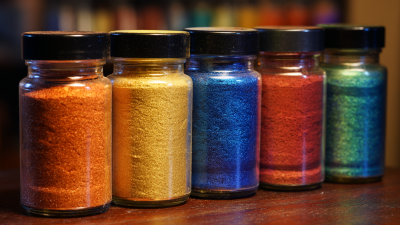
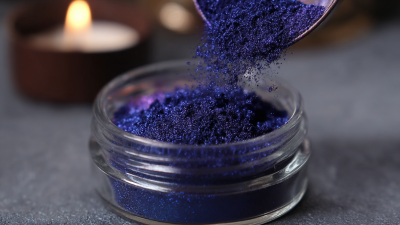
Synthetic mica is a man-made mineral that mimics natural mica. It is used widely in cosmetics due to its unique properties. Synthetic mica is lightweight, non-toxic, and offers a smooth texture. This makes it ideal for products like eyeshadows, highlighters, and foundations. The appearance is shimmering and radiant, enhancing the visual appeal of cosmetics.
Composed mainly of silicate minerals, synthetic mica is engineered for consistency. Unlike natural mica, which can vary in quality, synthetic mica ensures uniformity in color and texture. This reliability is appealing to both manufacturers and consumers. Moreover, it can be produced in different sizes. Larger flakes create dramatic effects, while finer particles provide a soft glow.
Despite its advantages, synthetic mica does raise questions. Some consumers prefer natural ingredients, associating them with safety. There are concerns regarding the environmental impact of its production. Crafting synthetic mica involves chemicals and energy, which may not always be sustainable. This complexity in sourcing materials invites reflection on consumer choices.
Synthetic Mica Popularity in Cosmetics
The Difference Between Synthetic Mica and Natural Mica in Cosmetics
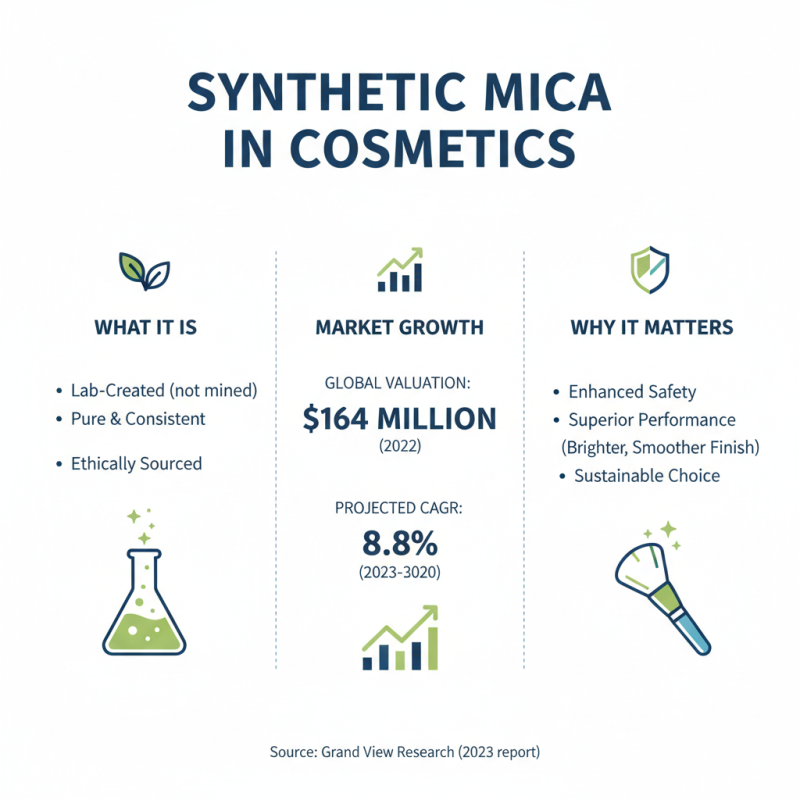
Synthetic mica stands out in cosmetics for several reasons. Unlike natural mica, synthetic mica is created in a lab, allowing for better control of its purity and properties. According to a report by Grand View Research, the global synthetic mica market was valued at approximately $164 million in 2022 and is projected to expand at a compound annual growth rate (CAGR) of 8.8% through 2030. This growth reflects the increasing demand for safe, ethically sourced materials in beauty products.
Natural mica, while traditional and effective, often comes with environmental concerns. Its extraction can lead to habitat destruction and labor exploitation in some regions. Reports indicate that around 20% of natural mica is sourced unethically. Synthetic mica eliminates these issues, providing a more sustainable alternative. It's produced without the ecological impacts associated with mining. However, synthetic mica's properties can still vary. Some formulations may not achieve the same reflective qualities as natural mica, leading to discussions about the balance between performance and ethical sourcing.
Both types have their advantages and shortcomings. Natural mica brings a unique charm, often seen in its iridescence. Yet it poses ethical dilemmas. Synthetic mica offers consistency and sustainability but may lack some of the nuanced beauty provided by its natural counterpart. As the industry evolves, ongoing research is essential to enhance these materials, ensuring that both efficacy and ethics are prioritized in cosmetic formulations.
Reasons for the Growing Popularity of Synthetic Mica in Beauty Products
Synthetic mica has gained significant traction in the beauty industry, largely due to its versatility and safety. Unlike natural mica, synthetic mica undergoes a controlled production process. This means no impurities or environmental concerns are involved. Many consumers appreciate these factors, which leads to its increasing use in products like eyeshadows and highlighters.
The aesthetics of synthetic mica are striking. It offers a smooth, shimmering finish that enhances skin without irritation. However, the industry faces challenges. Some still question the long-term effects of synthetic ingredients. This skepticism can hinder its acceptance among certain consumer groups. Balancing safety and efficacy remains a topic for discussion.
Moreover, the environmental impact is worth contemplating. While synthetic mica can be produced without harming natural resources, the overall sustainability of its manufacturing process raises questions. Continuous efforts are needed to ensure responsible production. Understanding these complexities can help consumers make informed choices.
Applications of Synthetic Mica in Various Cosmetic Formulations
Synthetic mica is a versatile ingredient increasingly favored in the cosmetics industry. Its unique properties make it suitable for various product formulations. Notably, synthetic mica is used in foundations, eyeshadows, and highlighters. According to a 2022 market report, the global synthetic mica market is projected to grow at a CAGR of 6.1% from 2023 to 2028.
In makeup, synthetic mica enhances texture and provides a shimmering finish. It offers a smoother application compared to traditional mineral micas. This synthetic alternative is free from contaminants, ensuring a safer product for consumers. Many formulators appreciate its ability to reflect light and provide a soft-focus effect. It's also a great option for sensitive skin types.
However, there are challenges associated with synthetic mica. Manufacturers must maintain consistency in quality. Variations in particle size can affect performance. Furthermore, some consumers are unaware of synthetic versus natural options. Education on these differences is essential. Overall, as the demand for cleaner, innovative ingredients rises, synthetic mica's role in cosmetics will likely continue to evolve.
What is Synthetic Mica and Why is it Popular in Cosmetics? - Applications of Synthetic Mica in Various Cosmetic Formulations
| Application |
Benefit |
Formulation Type |
Common Use |
| Makeup Products |
Adds shimmer and enhances visuals |
Powders and Creams |
Foundations, Eye Shadows |
| Skincare |
Improves texture and smoothness |
Lotions and Serums |
Moisturizers, Sunscreens |
| Hair Care |
Adds shine and reduces frizz |
Shampoos and Conditioners |
Hair Serums, Styling Products |
| Nail Products |
Enhances color depth and shimmer |
Nail Polishes |
Gel Polishes, Top Coats |
| Body Care |
Provides a soft-focus effect |
Body Lotions and Oils |
Body Shimmers, Highlighters |