What is Pigment Powder for Resin and How to Choose It?
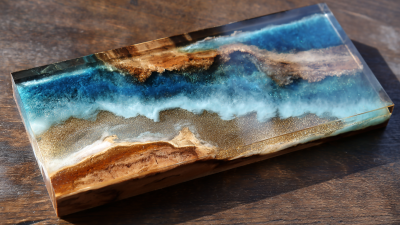
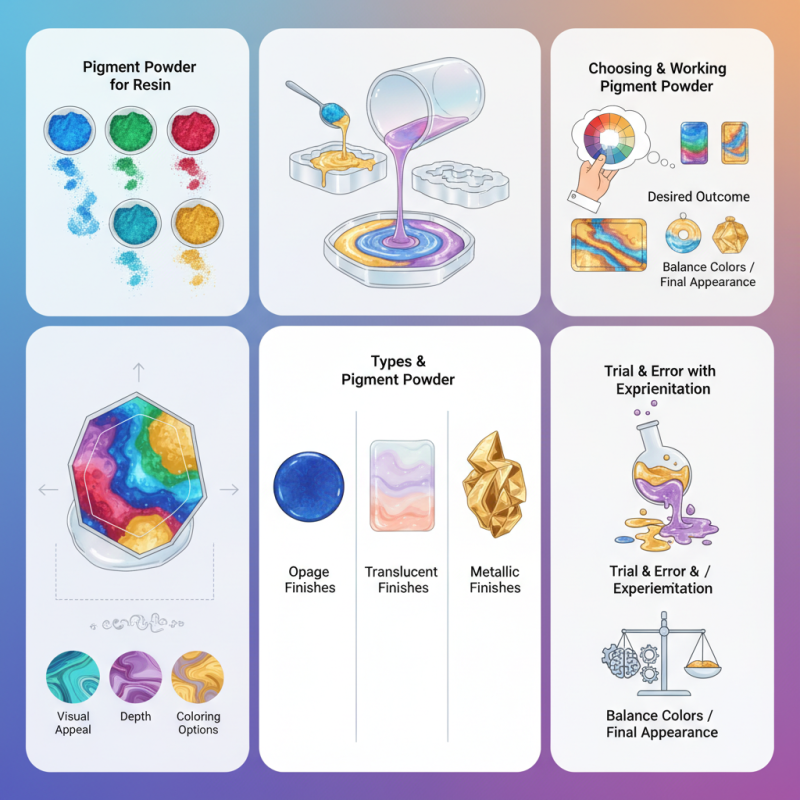
Pigment powder for resin is an essential component for various crafting and artistic projects. These vibrant powders offer unique coloring options for resin applications. They enhance visual appeal while adding depth to artworks. Choosing the right pigment powder can be challenging. It requires understanding the properties and effects each powder can bring to your project.
Different types of pigment powder exist, each with distinct characteristics. Some powders create opaque finishes, while others are translucent or metallic. The choice depends on your desired outcome. A well-informed selection can elevate your work, making it more dynamic and stunning. However, selecting the wrong type can lead to disappointing results.
Working with pigment powder for resin involves trial and error. The mixing process can yield unexpected results. This journey is part of honing your skills and developing your unique style. Learning through experience allows you to refine your choices and techniques. Understanding how to balance colors is crucial, as it directly impacts the final appearance. Be prepared to experiment and reflect on your choices, as each project can provide valuable insights.
What is Pigment Powder and Its Role in Resin Applications?
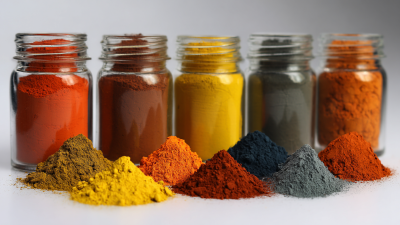
Pigment powder is a vital component in resin applications. It provides color and vibrancy to various projects, from art pieces to functional items. This fine powder mixes seamlessly with resin, allowing for a uniform distribution of color. Different pigment powders offer unique effects. Some create a translucent finish, while others deliver rich, opaque hues.
Artists and manufacturers often experiment with these options to achieve the desired look.
Choosing the right pigment powder involves understanding its properties. Granule size affects mixing and finish. Smaller granules blend more easily, while larger ones can create interesting textures. Additionally, color stability is essential. Some pigments may fade over time under UV light. Testing a small batch helps assess how the pigment interacts with the resin. It’s also crucial to consider compatibility with the type of resin used, as not all pigment powders work well with each resin type.
In practice, mistakes can happen. Overloading resin with pigment can lead to an uneven finish. Balancing quality and quantity is key. Trying different combinations may inspire creativity or lead to unexpected outcomes. Documenting these experiments fosters growth. Engaging in this reflective process can enhance both the aesthetic and functional aspects of your resin project.
Types of Pigment Powders Suitable for Resin Projects
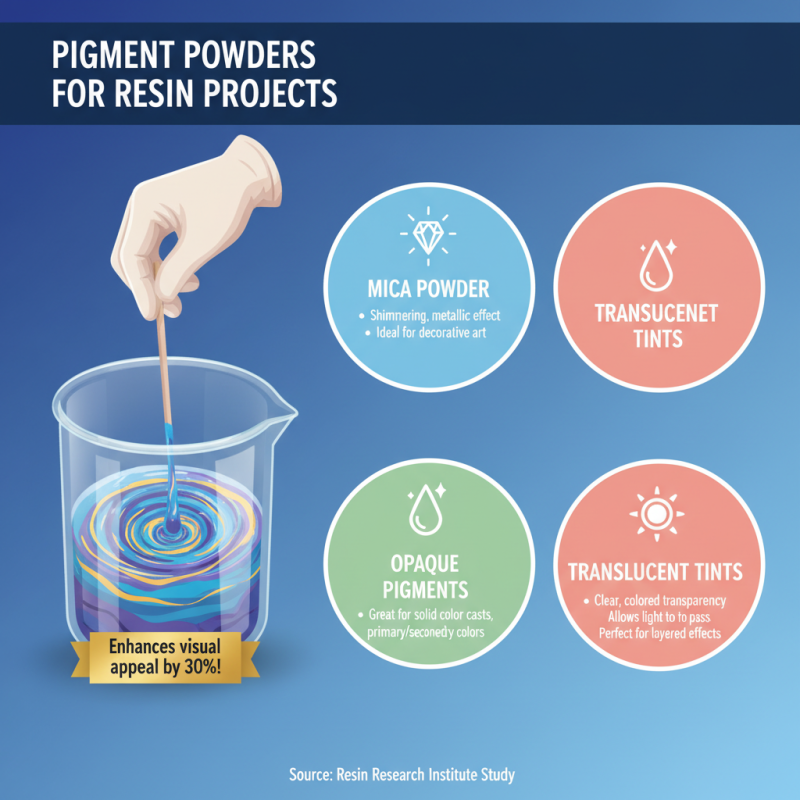
When choosing pigment powders for resin projects, understanding the various types available is crucial. One popular option is mica powder. This fine powder produces a shimmering effect, making it perfect for decorative projects. According to a study by the Resin Research Institute, mica powder can enhance the visual appeal of resin art by over 30%.
Another noteworthy option is mineral pigments. These powders provide rich and vibrant colors. They are more stable when mixed with resin than some synthetic alternatives. Reports suggest that mineral pigments can retain their hues under UV exposure, which is essential for outdoor applications.
China dominates the pigment market, accounting for over 45% of global production in 2022. However, not all pigments are suitable for resin. Some may react negatively or alter the resin’s properties. It’s important to conduct tests before committing to any specific pigment powder. Experimenting with small batches can help identify the best fit for your project, ensuring that the final product meets your aesthetic and functional needs.
Factors to Consider When Choosing Pigment Powder for Resin
Choosing the right pigment powder for resin can significantly impact your final project. Consider the color intensity you desire. Some pigments are vibrant, while others offer subtle hues. Assess how these colors blend with your resin type. Achieving the perfect shade may require testing different pigments in small batches.
Another important factor is the pigment's opacity. Transparent powders can create beautiful effects, especially when layered. However, opaque pigments tend to be more straightforward for covering imperfections. Keep in mind that achieving consistent color might not always work out. Variations can occur based on mixing techniques or even batches of the same product.
Lastly, think about the particle size. Finer particles often mix better, resulting in a smoother finish. Coarser powders may create texture but can also lead to uneven coloration. Testing different sizes can guide you in finding the best fit. Balancing these factors allows for creativity within your resin projects, though the process may require some experimentation and refinement.
What is Pigment Powder for Resin and How to Choose It?
| Pigment Type |
Color Range |
Opacity |
Lightfastness |
Recommended Use |
| Opaque Pigment |
Wide, including primary colors |
High |
Excellent |
Ideal for solid colors in casting |
| Translucent Pigment |
Pastel shades |
Medium |
Good |
Great for layering effects |
| Metallic Pigment |
Gold, Silver, Copper |
Low |
Very Good |
For adding shimmer and shine |
| Fluorescent Pigment |
Bright, Neon Colors |
Medium to High |
Moderate |
For vibrant, eye-catching projects |
How to Properly Mix Pigment Powder with Resin for Best Results
Mixing pigment powder with resin requires precision and technique. A common guideline is to start with a pigment-to-resin ratio of 1:10. This means one part pigment to ten parts resin. The key is blending until the color is uniform. This ensures the pigment disperses completely, leading to a consistent outcome. Some professionals advise using a drill mixer for large batches. This method reduces air bubbles and achieves better mixing.
To enhance color vibrancy, consider using a clear resin base. The type of resin chosen affects how pigment appears. For example, epoxy resin tends to retain color well while polyester resin can alter shades. A 2022 study by the American Coatings Association indicated that properly mixed pigment significantly increases the durability of the finish. However, be aware that using excessive pigment can lead to issues like streaking or uneven texture.
After mixing, allow the resin to rest briefly. This helps air bubbles escape, resulting in a smoother finish. Some users report uneven surfaces due to inadequate mixing. It's essential to monitor the process closely. Adjusting proportions may be necessary to achieve the desired effect. Every batch may require a different approach, reflecting the variability in materials and conditions. Embrace experimentation to find the perfect combination for your needs.
Comparison of Different Pigment Powders for Resin
Common Mistakes to Avoid When Using Pigment Powder in Resin
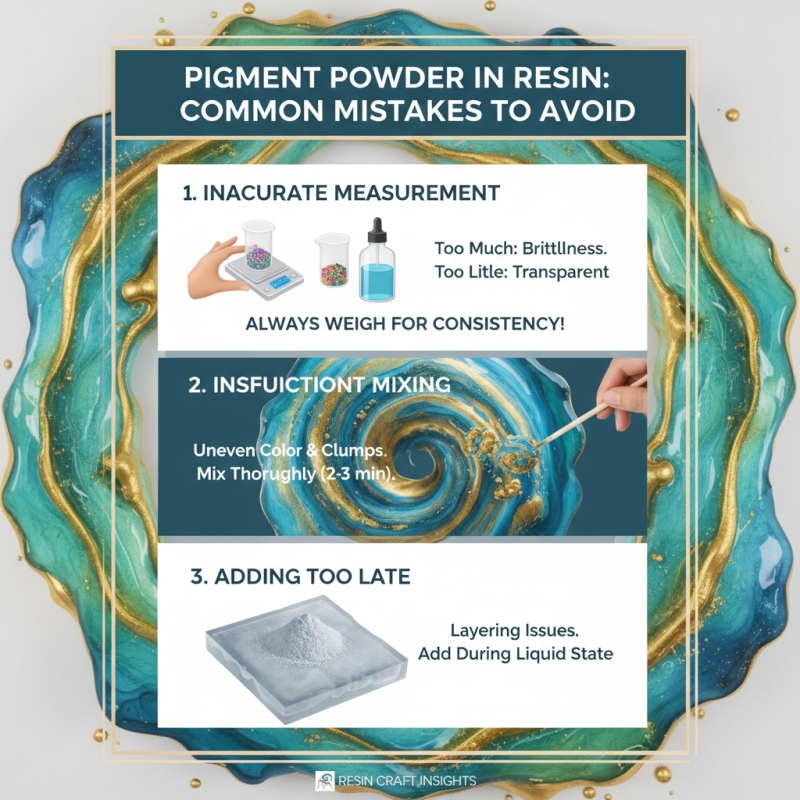
When using pigment powder in resin, common mistakes can significantly impact the final product. One critical error is not measuring the pigment accurately. According to industry reports, precise measurements are crucial for achieving the desired opacity and color. Too much pigment can lead to brittleness, while too little may yield a transparent finish. Always weigh your pigment to ensure consistency across batches.
Another frequent oversight is neglecting the mixing process. Many makers underestimate the importance of thoroughly mixing the pigment with the resin. Insufficient mixing can cause uneven color distribution and a lack of depth. Reports from professionals emphasize that a slow and steady stir is essential for an even blend, ensuring all particles are well incorporated. This can significantly affect the aesthetic qualities of the finished piece.
Additionally, relying on low-quality pigments can lead to fading over time. Pigments made with inferior materials may not be UV resistant. Data from various studies highlight that high-quality pigments maintain their vibrancy longer under sunlight exposure. Always prioritize quality over cost to prevent frustration later in your projects. Ensuring attention to these details can elevate your resin work to a professional level.