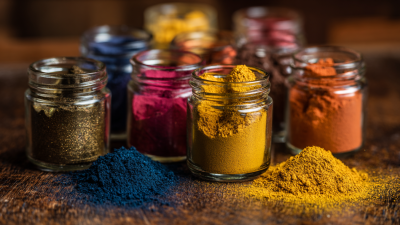
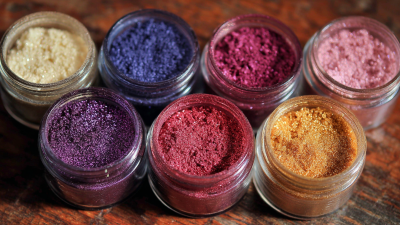
Top 10 Pearlescent Pigment Uses and Benefits for Stunning Designs
In the world of design, Pearlescent Pigments have revolutionized the way artists and manufacturers approach color and finish. These unique pigments, known for their shimmering effects and depth, offer endless possibilities for stunning designs across various industries, from cosmetics to automotive finishes. As expert Dr. Emily Carter, a leading authority in pigment technology, once noted, "Pearlescent Pigments create an allure that elevates the simplest of designs into extraordinary works of art."
The versatility of Pearlescent Pigments is truly remarkable. They can be incorporated into paints, coatings, plastics, and textiles, providing not just color but also an iridescent finish that captivates the viewer. Designers are increasingly turning to these pigments to achieve stunning visual effects that traditional colorants simply cannot match. Each application breathes life into products, enhancing their aesthetic appeal and marketability.
Moreover, the benefits of using Pearlescent Pigments extend beyond mere aesthetics. Their durable nature ensures longevity, making them ideal for applications that require resilience without sacrificing beauty. This blend of practicality and artistry positions Pearlescent Pigments as a top choice for designers aiming to make a lasting impression in a competitive landscape.

Introduction to Pearlescent Pigments: Definition and Characteristics
Pearlescent pigments are a unique type of colorant that impart a stunning, iridescent quality to various applications, ranging from cosmetics to automotive coatings. These pigments are created by layering materials, such as titanium dioxide or mica, which scatter light in a way that mimics the natural sheen of pearls. According to reports from industry analysts, the global pearlescent pigment market is expected to grow substantially, reaching $1.5 billion by 2025, driven by increasing demand in the automotive and cosmetics industries. Their ability to create depth and dimension in designs is what sets them apart from conventional pigments.
When incorporating pearlescent pigments, it’s essential to consider the application method to achieve the desired effect. For example, in cosmetics, using a proper binding agent can enhance longevity and adherence, ensuring that the shimmering effect remains vibrant throughout wear. Additionally, certain combinations of pearlescent pigments can produce unique color shifts, further expanding design possibilities.
Tips for maximizing the use of pearlescent pigments include experimenting with different concentrations to find the ideal sheen for your project. Start with low levels and gradually build up to avoid overpowering the base color. Also, consider the texture of your medium; smoother surfaces often enhance the reflective quality, while textured bases might create a more muted appearance. By mastering these techniques, designers can unlock the full potential of pearlescent pigments in their work.
Applications of Pearlescent Pigments in Art and Craft Projects
Pearlescent pigments have become a popular choice among artists and crafters for their ability to add a unique, shimmering quality to various projects. These pigments, which create a lustrous effect similar to that of natural pearls, can be used in a wide range of applications, enhancing everything from paintings to customized crafts. When added to paint, they create depth and a captivating glow that can transform a simple piece into a stunning display. Artists often use these pigments to mimic the play of light and color found in nature, allowing for a more dynamic and visually appealing artwork.
In the realm of crafts, pearlescent pigments serve as a versatile tool for creativity. They can be incorporated into resin projects, offering an iridescent finish that elevates the aesthetic of jewelry, coasters, or decorative items. Additionally, when mixed with clay or used in mixed-media projects, these pigments can reveal intricate designs and details that catch the eye. The ease of use makes them accessible for various skill levels, enabling both novice crafters and seasoned artists to explore an array of techniques that bring their visions to life in mesmerizing ways.
Innovative Uses of Pearlescent Pigments in Cosmetic Products
The cosmetic industry has witnessed a remarkable transformation with the integration of
pearlescent pigments,
highlighting their innovative uses in product formulations. According to a recent report by
Research and Markets, the global pearlescent pigment market is projected to reach
USD 1.24 billion by 2025, driven by the increasing demand for
unique visual effects in cosmetics. These pigments, derived from natural sources such as mica and
synthetic alternatives, provide a shimmering quality that enhances the aesthetic appeal of various
products, from foundations to lip glosses and eye shadows.
Among their numerous benefits, pearlescent pigments enhance color richness and depth, allowing for
a multidimensional effect that can elevate any cosmetic product. The unique optical properties of
these pigments create an iridescent finish, making the skin appear luminous. A study by
Cosmetics & Toiletries highlights that consumers are increasingly gravitating towards
products that not only perform well but also offer visual novelty, with about
62% of respondents indicating that innovative
color and texture are crucial factors in their purchasing decisions. This growing trend underscores
the importance of incorporating pearlescent pigments in formulation, catering to the evolving consumer
preferences for luxury and sophistication in cosmetics.
The Role of Pearlescent Pigments in Automotive Finishes and Coatings
In recent years, the use of pearlescent pigments in automotive finishes has gained significant traction, thanks to their ability to enhance the aesthetic appeal of vehicles. These pigments, known for their iridescent quality, create a depth of color that shifts with the angle of light. According to a report by the Global Automotive Coatings Market, the demand for advanced coatings including pearlescent pigments is expected to grow at a CAGR of 6.5% through 2025. This trend is primarily driven by consumers' increasing preference for unique and personalized vehicle finishes.
The role of pearlescent pigments in automotive coatings extends beyond mere aesthetics. These pigments offer valuable benefits, such as increased durability and resistance to UV degradation. Automotive finishes that incorporate pearlescent pigments can help protect the underlying layers from environmental elements, thus prolonging the lifespan of the vehicle’s exterior. A study from the Journal of Coatings Technology highlights that vehicles with advanced finishes show a 15% improvement in weather resistance compared to those with standard paint applications. This combination of visual appeal and protective qualities positions pearlescent pigments as a key component in modern automotive design, catering to a market that demands both style and durability.
Environmental Benefits and Sustainability of Pearlescent Pigments
Pearlescent pigments are gaining attention not only for their aesthetic appeal but also for their environmental benefits and sustainability. These pigments, often derived from natural sources, provide an eco-friendly alternative to conventional colorants. By using materials such as mica, which is abundant and non-toxic, manufacturers can create stunning visual effects without relying on harmful synthetic compounds.
Additionally, the production processes for these pigments are often less resource-intensive, reducing energy consumption and minimizing emissions compared to traditional pigment manufacturing.
Moreover, the longevity and durability of pearlescent pigments contribute to sustainability in design. Their resistance to fading ensures that products maintain their vibrant appearance over time, which can lead to reduced waste and lower consumption of resources for replacements or reapplication. In industries like cosmetics and automotive, where visual appeal is paramount, the use of these pigments not only enhances the product's aesthetic but also aligns with a growing consumer preference for environmentally responsible options. As brands increasingly focus on sustainability, the adoption of pearlescent pigments reflects a commitment to fostering a greener future while still delivering high-quality, visually striking designs.