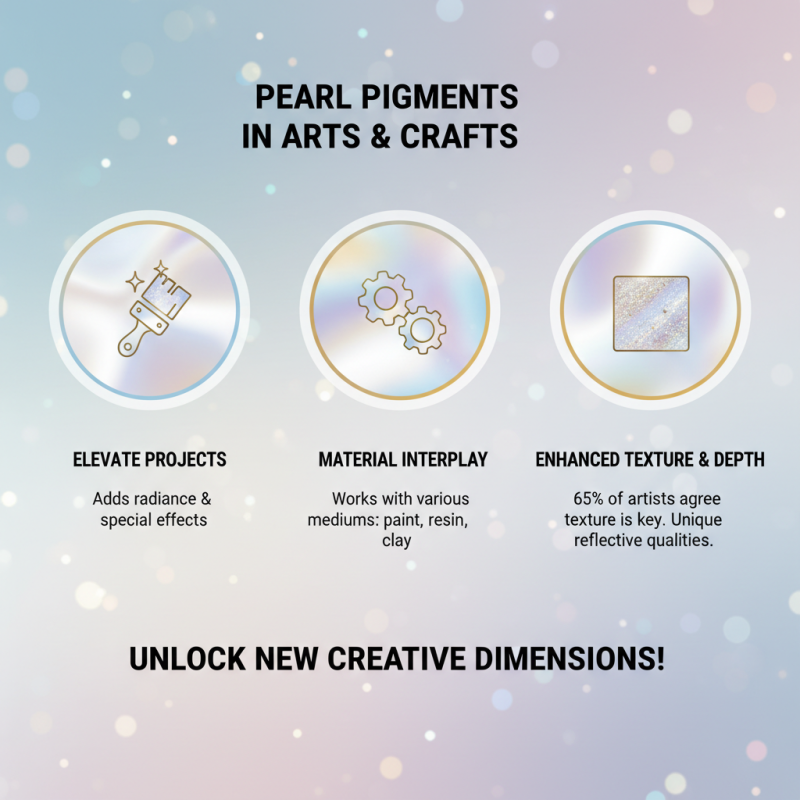
How to Use Pearl Pigment for Stunning Arts and Crafts Projects?
Pearl Pigment has become a game-changer in the world of arts and crafts. Artists and crafters alike are captivated by its ability to create stunning visuals. According to renowned pigment expert Dr. Emily Hartman, "Pearl Pigment transforms ordinary projects into extraordinary masterpieces." This highlights its significance in adding depth and richness to artistic expressions.
With the right techniques, Pearl Pigment can enhance various materials. It can be mixed with paint, resin, or used directly on surfaces. However, achieving a flawless finish takes practice and experimentation. Many artists struggle to find the right balance. Sometimes, the results may not meet expectations. Yet, this is part of the creative journey.
Incorporating Pearl Pigment invites both excitement and challenges. Knowing where to apply it can be tricky. Overuse may lead to overwhelming results. But with careful consideration, the potential is limitless. Finding your own style with Pearl Pigment can be a fulfilling, albeit imperfect, path to artistic growth.
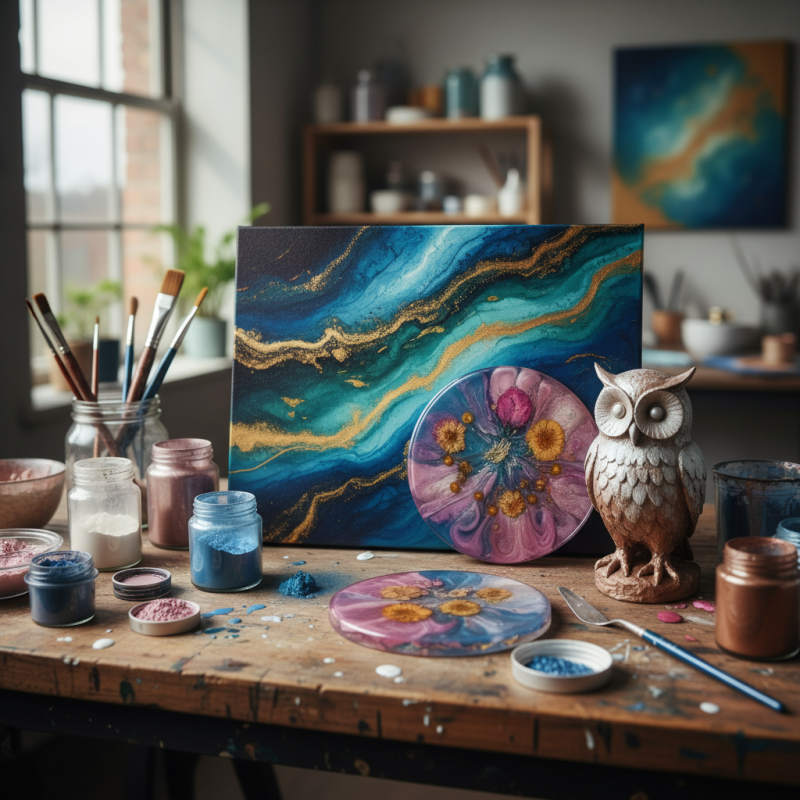
Introduction to Pearl Pigment in Arts and Crafts
Pearl pigments are a unique addition to arts and crafts, offering a lustrous finish that can elevate various projects. These pigments contain natural or synthetic mica, which reflects light beautifully. According to a recent industry report, the global pearl pigment market is projected to reach $2 billion by 2025. This growth indicates a rising interest in these materials among artists and crafters.
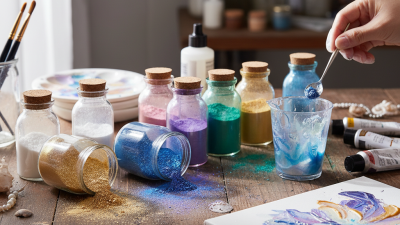
When using pearl pigments, it's essential to experiment with different mediums. They can be mixed with paints, resins, and even powders. Adding them to your projects can create depth and dimension. One tip is to start with a small amount. Too much pigment can overpower your work, losing that delicate sheen.
Take time to practice. Mistakes can be part of the process. For instance, blending colors effectively might require trial and error. Don't hesitate to adjust your approach based on what the pigment reveals. Additionally, ensure you work in a well-lit area to appreciate the true vibrancy of the pearl pigments. This method allows you to reflect and adapt your techniques, creating stunning results.
Types of Pearl Pigments and Their Unique Properties
Pearl pigments are fascinating materials used in art and crafts. They offer a unique luster that transforms your projects. There are several types of pearl pigments, each with specific properties.
Mica-based pearl pigments are popular. They create a shimmering finish that catches the light beautifully. According to industry reports, these pigments range in particle size, which impacts the final look. Smaller particles give a finer finish, while larger ones provide a more vibrant effect. They are often used in cosmetic applications too. However, overuse can lead to a harsh appearance, so balance is essential.
Another type is the synthetic pearl pigment. These are made from various materials, such as aluminum oxide. This type provides vibrant colors and excellent coverage. A report from the pigment industry suggests that synthetic options are increasingly favored for their lightfastness and durability. They can be tricky to work with, though, as they may require specific binders. Testing different blends is vital for the best results.
Techniques for Applying Pearl Pigment in Artwork
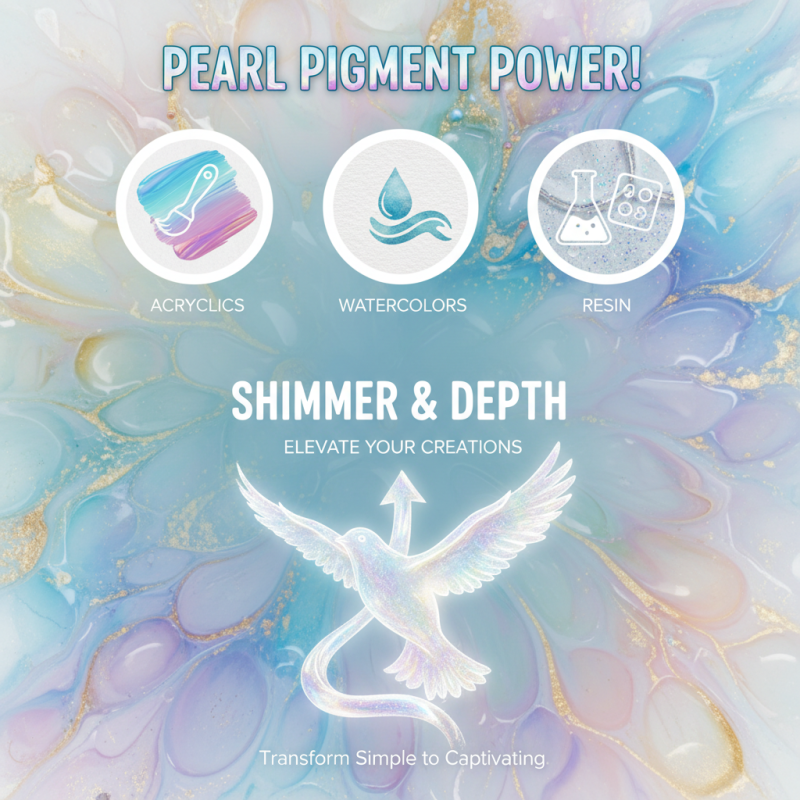
Applying pearl pigment can elevate your arts and crafts to new heights. The shimmer and depth they add can transform a simple piece into something captivating. To get started, choose your medium wisely. Pearl pigments work beautifully with acrylics, watercolors, and even resin.
Mix the pigment with your chosen medium on a palette. A small amount goes a long way. Experiment with the ratio. You might prefer a more subtle shine or a bold effect. When applying, use a brush or sponge for different textures. Brush strokes can create soft layers, while sponges can give you a more uneven surface, adding character.
Don't be afraid to make mistakes along the way. Sometimes, the unexpected results can be the most exciting. If a project doesn't turn out as planned, reflect on what went wrong. Adjusting your technique or pigment mix might yield better results next time. Each attempt teaches you something new about the materials you’re using and your artistic vision.
Creative Projects Using Pearl Pigment: Ideas and Inspiration
Pearl pigments can transform your arts and crafts. They add an iridescent quality that catches the eye. Consider using them in various projects for stunning effects. Think about handmade cards. A touch of pearl pigment can elevate your designs, making them stand out.
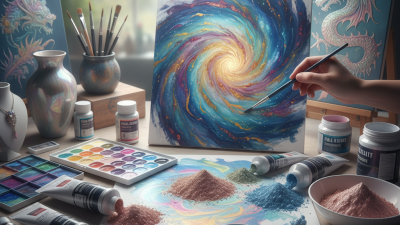
Explore different mediums. Mix pearl pigment with acrylic paint for beautiful canvases. Experiment with watercolors; the results can be mesmerizing. Try adding it to resin for unique coasters or jewelry. The interplay of light creates stunning visuals.
Here are some tips:
- Start with a small amount. Too much can overwhelm the base color.
- Test on scrap materials first. This helps you understand how the pigment behaves.
- Don't be afraid to mix colors. The imperfections can lead to unexpected beauty. Enjoy the process and embrace any happy accidents along the way.
How to Use Pearl Pigment for Stunning Arts and Crafts Projects?
| Project Idea |
Materials Needed |
Steps |
Tips |
| Pearl Pigment Painting |
Canvas, paintbrushes, pearl pigments, acrylic medium |
1. Prepare your canvas. 2. Mix pearl pigments with acrylic medium. 3. Apply with brushes in layers for depth. |
Use a wet brush for softer edges. |
| DIY Greeting Cards |
Cardstock, pearl pigments, stamps, ink |
1. Cut cardstock to size. 2. Stamp designs. 3. Paint accents with pearl pigments. |
Experiment with layering colors for unique effects. |
| Pearl Pigment Resin Coasters |
Epoxy resin, pearl pigments, silicone molds, gloves |
1. Mix resin according to instructions. 2. Add pearl pigments. 3. Pour into molds and let cure. |
Ensure even mixing to prevent clumps. |
| Decorative Vases |
Glass vases, pearl pigments, adhesive, brush |
1. Clean the vases. 2. Apply adhesive on the surface. 3. Dust pearl pigments onto the vases. |
Use a sealer for durability. |
| Pearl Pigment Jewelry |
Polymer clay, pearl pigments, jewelry findings |
1. Shape polymer clay into desired forms. 2. Mix in pearl pigments. 3. Bake per package instructions. |
Add clear glaze for a glossy finish. |