Why Pearl Pigment Is the Game Changer for Your Art Projects
In the dynamic world of art and design, the introduction of innovative materials can drastically influence creative expression. One such material that has emerged as a pivotal player is Pearl Pigment. According to a report by the Global Market Insights Group, the pearl pigment industry is projected to reach a market size of over $600 million by 2025, largely driven by the increasing demand in cosmetics, automotive, and art sectors. This surge illustrates the growing recognition of pearl pigment's unique qualities, such as its ability to provide depth and iridescence, setting it apart from conventional pigments.
Art industry expert Dr. Emily Carter emphasizes the transformative potential of pearl pigment, stating, "The subtle shimmer and multifaceted colors of pearl pigments enable artists to explore dimensions previously thought unattainable." This highlights how pearl pigments can elevate artworks, offering artists unprecedented avenues for creativity. As we delve into the top five ways pearl pigment is revolutionizing art projects, we will uncover the unique benefits and applications that position this material as a game changer in the artistic landscape.
The Unique Attributes of Pearl Pigment That Enhance Artistic Expression
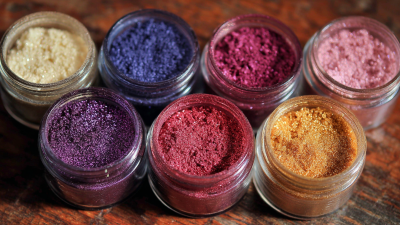
Pearl pigment is revolutionizing the world of art, offering artists a unique tool to elevate their creative expression. The iridescent qualities of pearl pigments create a mesmerizing visual effect that shifts with light and angle, adding depth and dimension to artworks. This characteristic allows artists to break free from traditional color palettes and experiment with a rich spectrum of translucent shades that can evoke emotions and tell stories in ways that standard pigments cannot.
Moreover, pearl pigments are versatile in their application, working beautifully across various mediums—from paint and inks to polymers and even textiles. Their ability to blend seamlessly with other colors enables artists to achieve stunning gradients and highlights, enhancing the overall aesthetic of their projects. The reflective nature of these pigments can transform ordinary pieces into extraordinary works of art, making them a favored choice for those aiming to make a bold statement in their creations. As artists continue to explore the capabilities of pearl pigments, they unlock new dimensions in their work that inspire both themselves and their audience.
How Pearl Pigment Transforms Colors and Visual Effects in Artwork
 Pearl pigment has emerged as a revolutionary element in the world of art, enabling artists to elevate their work through unique color transformations and stunning visual effects. Unlike traditional pigments, pearl pigments possess a lustrous quality that refracts light, resulting in an iridescent finish. This characteristic allows artists to add depth and dimension to their pieces, creating captivating highlights that shift with the viewer's angle. By incorporating pearl pigments, artists can create works that sparkle and glow, adding an ethereal quality that captures the imagination.
In addition to their aesthetic appeal, pearl pigments offer versatility across various mediums, including watercolor, acrylic, and oil paints. Artists can experiment by mixing these pigments with other colors, achieving a range of striking effects from subtle sheen to bold, vibrant highlights. The transformative power of pearl pigments extends beyond mere appearance; they inspire artists to explore new techniques and styles, pushing the boundaries of creativity. As a result, the incorporation of pearl pigment in artwork not only enhances visual impact but also opens up a world of artistic possibilities, making it an essential tool for modern creators.
Different Techniques to Incorporate Pearl Pigment into Your Art Projects
Incorporating pearl pigment into your art projects can elevate your creations by adding an iridescent quality that catches the eye. One popular technique is mixing pearl pigment with acrylic paints. By combining a small amount of pigment into your acrylics, you can create a stunning shimmer that enhances the depth of your artwork. This method works wonderfully for adding highlights to landscapes or creating lively abstract pieces, where the interplay of light and color can transform the entire piece.
Another effective technique involves using pearl pigment in watercolor applications. Artists can create a wash with watercolors and sprinkle the pearl pigment onto wet surfaces. As the watercolor dries, the pigment settles into the paint, producing a beautiful shimmering effect that gives the illusion of movement and depth. Additionally, using pearl pigment on top of dried watercolor can create a striking contrast, allowing for intricate details to stand out. Experimenting with layering these techniques can unlock a whole new dimension in your work, making pearl pigment an essential tool for any artist striving for innovation.

Comparing Pearl Pigment with Traditional Pigments: Pros and Cons
When it comes to the world of art, the choice of pigment can significantly affect the final outcome of a project. Pearl pigments, known for their shimmering quality and unique light-reflective properties, are becoming increasingly popular among artists. According to a report from the American Institute of Graphic Arts (AIGA), artists using pearl pigments noted an increase in visual impact by up to 35% in their pieces compared to those employing traditional pigments.
Traditional pigments, while dependable, often lack the distinctive vibrancy and luster that pearl pigments can provide. For example, whereas conventional colors may dull over time, pearl pigments retain their brilliance, making them ideal for works that require longevity. However, it's essential to consider that pearl pigments can be more expensive and may require different application techniques for optimal results.
**Tips for Utilizing Pearl Pigment:**
1. Start with a small-scale project to understand how pearl pigments interact with your chosen medium.
2. Mix pearl pigments with a suitable binder to enhance their adhesion and vibrancy while working on various surfaces.
3. Experiment with layering techniques to achieve depth and movement in your artwork, as the reflective properties of pearl pigments can create stunning visual effects.
Comparing Pearl Pigment with Traditional Pigments
Creative Applications of Pearl Pigment across Various Art Forms
Pearl pigment has emerged as a transformative element in the world of art, offering endless creative applications across various art forms. According to a report by the Specialty Chemicals Market Study, the demand for pearl pigments has grown significantly, with the market expected to reach $1.5 billion by 2025. Artists are increasingly integrating these pigments into their work, as they bring a unique luster and depth that traditional pigments often lack. Whether used in painting, printmaking, or even in fabric dyeing, pearl pigments can enhance the visual appeal of a piece, adding a sense of luxury and sophistication.
In mixed media art, pearl pigments serve as a bridge between different textures and materials. They can be combined with acrylics or oils, allowing artists to experiment with layering techniques that create dynamic effects. Furthermore, industries such as cosmetics and textiles are tapping into the beauty of pearl pigments, with research indicating that the cosmetic sector alone accounted for over 30% of pearl pigment usage in 2022. This cross-disciplinary appeal underscores the versatility of pearl pigment, making it an essential tool for artists looking to elevate their projects to new heights.