10 Tips for Using Mica Powder for Epoxy Projects?
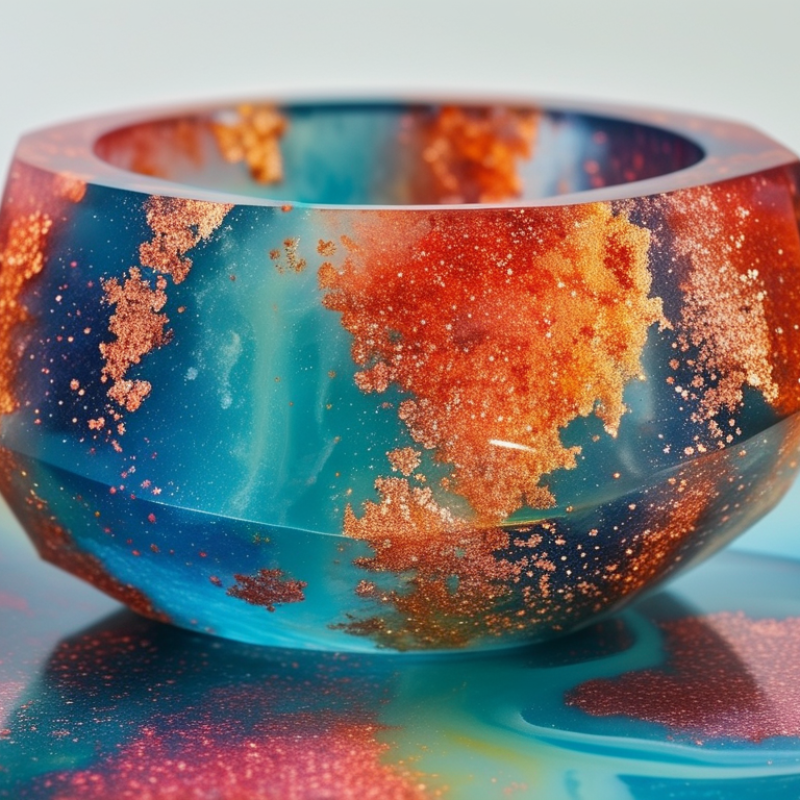
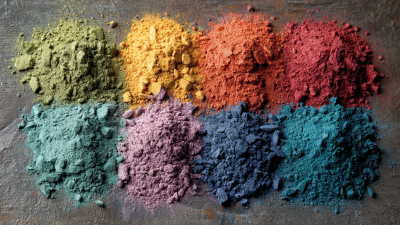
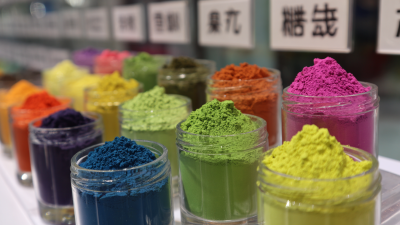
Mica powder for epoxy projects is a fantastic way to add vibrant colors and unique effects. Many artisans and DIY enthusiasts are discovering its potential. This versatile pigment can elevate your creations, making them visually stunning.
When using mica powder, consider its properties. It is lightweight and can create mesmerizing shimmers and shines. However, not all mica powders are equal. Some may not blend well with epoxy or may fade over time. Understanding the quality of your mica powder is essential for successful projects.
Experimentation is key in using mica powder for epoxy. Mixing different colors can yield unexpected results. Sometimes, the shades may not mix as anticipated, leading to surprises. Embrace these moments as learning opportunities. The beauty of art lies in imperfection and discovery, making each project unique.
Understanding Mica Powder: Types and Properties for Epoxy Use
Mica powder is a popular choice for coloring epoxy projects. It comes in various types, each with unique properties. Understanding these differences is crucial for achieving desired effects. For instance,
synthetic mica is known for its superior brightness. Natural mica offers a more organic look. According to a report by the Mica and Mica Product Market, the global mica market is projected to grow significantly in the coming years, reflecting its wide application in craft projects.
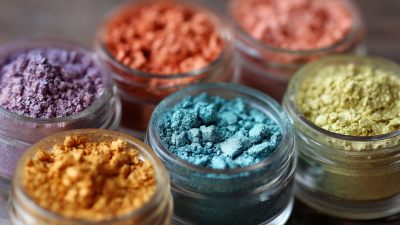
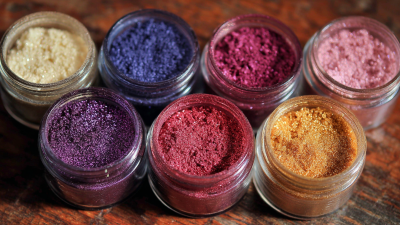
When using mica powder in epoxy, consider particle size. Fine mica particles create a smoother finish, while larger particles add texture. The color saturation can vary greatly depending on the mica type used.
Some colors appear muted in epoxy, while others are vibrant. A study published in the Journal of Materials Science highlights the importance of pigment dispersion in achieving consistent color outcomes.
It's essential to experiment with different mica types to see how they interact with your specific epoxy resin.
Every project can reveal unexpected challenges. Mica can clump if not mixed thoroughly. Over time, some colors may fade or alter. Environmental factors also play a role in epoxy curing. Using high-quality mica reduces these risks, but may not eliminate them entirely. Continuous learning and adaptation are key. Understanding how each mica type behaves will enhance your
epoxy art journey.
Optimal Mixing Ratios: Achieving Vibrant Color in Epoxy Projects
Mixing mica powder with epoxy requires precise ratios to achieve vibrant colors. A common recommendation is to start with a 1:4 ratio of mica powder to epoxy resin. This ensures that the color remains vivid without overwhelming the epoxy's properties. Too much mica can lead to a dull finish, while too little may result in an unnoticeable tint. Experimenting with ratios can help you find the perfect balance that suits your project.
When adding mica powder, the mixing method also matters. Use a stir stick or a drill mixer for even distribution. Watch for clumps, as they can spoil the smooth appearance of your finished piece. Some may rush into mixing without sufficient care, leading to uneven colors.
It’s worthwhile to take the time for thorough blending. Your patience can result in a stunning visual effect that truly stands out. Consider working in small batches to avoid waste and give yourself room to adjust the ratios as needed. Each project can teach you about the optimal mixing ratios that bring your artistic vision to life.
Testing Color Fastness: Ensuring Durability of Mica in Epoxy
When working with mica powder in epoxy projects, testing color fastness is crucial. Color fastness refers to how well the color maintains its vibrancy over time. Factors like sunlight and moisture can affect the stability of the pigment. To ensure durability, conduct a simple test by mixing mica powder with epoxy and applying it to a sample piece. After curing, expose it to sunlight or water for a few days. This preliminary test can reveal how well the color holds up against environmental stressors.
Not all mica powders are created equal. Variations in quality often lead to different outcomes. Some might fade quickly, while others resist discoloration effectively. It's essential to consider the source and characteristics of the mica you choose. Remember, experimenting with various brands and shades can help in finding the best options for longevity. Keep detailed notes on your findings for future reference. Reflecting on your experiments can provide insights that enhance the quality of your projects. Frequent testing may feel tedious, but it pays off in the long run.
Color Fastness Testing of Mica Powder in Epoxy Projects
Application Techniques: Methods to Apply Mica Powder Effectively
Applying mica powder in epoxy projects can elevate your creations. Understanding how to use it effectively makes a significant difference. Start with choosing the right mica powder color. Darker pigments may need a bit more powder compared to lighter shades. Always experiment on a small scale before deciding on a final mix. This helps you avoid unwanted outcomes.
Mix mica powder directly into the epoxy resin before pouring. Use a stirring stick to ensure even distribution. If you want a marbled effect, pour the resin first and add the powder later. A toothpick can help swirl the colors. Remember, the finer the powder, the smoother the finish. However, using coarser powders can add texture, which might not always blend well. Learning this balance can lead to better results.
Don't rush the process. Allow your first few projects to guide you. Reflect on what worked and what didn’t. Inconsistent results can lead to frustration, but they can also provide valuable insights. Each project is a learning opportunity. Embrace the imperfections. With practice, you'll refine your techniques and achieve stunning epoxy finishes with mica powder.
10 Tips for Using Mica Powder for Epoxy Projects
| Tip |
Description |
Best Practices |
| 1. Choose the Right Mica Powder |
Select high-quality mica powder that suits your color requirements. |
Test a small amount before full application. |
| 2. Use the Proper Mixing Ratio |
Mix mica powder with epoxy resin at a ratio of 1:10 for optimal results. |
Adjust based on desired opacity. |
| 3. Mix Thoroughly |
Ensure even distribution of mica powder within the resin. |
Use a stir stick or a mechanical mixer. |
| 4. Experiment with Layering |
Apply layers of different colors for a multi-dimensional effect. |
Allow each layer to cure before adding the next. |
| 5. Control Temperature and Humidity |
Work in an environment with stable temperature and low humidity. |
Ideal conditions are around 70°F (21°C). |
| 6. Use Appropriate Tools |
Select spatulas, mixing cups, and brushes made for resin work. |
Avoid wood or porous tools to prevent contamination. |
| 7. Test Color Samples |
Create small test samples to see how colors mix and cure. |
Document ratios for future reference. |
| 8. Protect Your Workspace |
Cover surfaces and wear gloves to prevent spills. |
Use drop cloths and proper cleanup materials. |
| 9. Allow Proper Curing Time |
Follow epoxy manufacturer's instructions for curing times. |
Avoid touching the surface until fully cured. |
| 10. Store Mica Powder Correctly |
Keep mica powder in a cool, dry place to extend shelf life. |
Seal in airtight containers after use. |
Safety Considerations: Handling Mica Powder in Art Projects
When working with mica powder in epoxy projects, safety should be a top priority. Mica powder can be airborne and may irritate the respiratory system. A report from the National Institute for Occupational Safety and Health indicates that inhalation of fine particulate matter can lead to long-term respiratory issues. To protect yourself, always work in a well-ventilated area. Use a dust mask or respirator, especially when pouring or mixing.
Proper handling is crucial. Wear gloves to protect your skin from potential irritation. Did you know that prolonged contact can cause skin sensitization? It's essential to familiarize yourself with safety data sheets (SDS) for mica powder. They provide critical information on hazards and first aid measures. During projects, avoid working around open flames or sparks, as mica is often used in combination with flammable materials.
In case of spills, clean up immediately. Use damp cloths to minimize dust in the air. This not only keeps your workspace clean but also reduces inhalation risks. Always store mica powder in a cool, dry place, away from direct sunlight. While mica powder can create stunning effects in art, being mindful of safety ensures that your creative process remains enjoyable and injury-free.