How to Use Mica Powder for Soap Making to Achieve Stunning Color Effects
In the vibrant world of soap making, color is a crucial element that can elevate a simple product into a work of art. Among the various colorants available, mica powder for soap has gained immense popularity due to its brilliant hues and shimmering effects. According to a market analysis report by Allied Market Research, the global mica market is projected to reach $1.6 billion by 2025, with a significant portion attributed to the growing demand for mica powder in personal care products. This highlights the increasing recognition of the aesthetic and functional benefits that mica offers in soap crafting.
Expert in the field and founder of Soap Colorant Solutions, Dr. Emily Hartman emphasizes the versatility of mica powder, stating, “Mica powder for soap allows artisans to achieve a depth of color that is unmatched by other colorants, making every bar a unique creation.” This sentiment resonates with the soap-making community, where the ability to customize colors not only enhances product appeal but also drives consumer engagement. As artisans seek to create stunning color effects, understanding how to effectively use mica powder becomes essential. This guide will explore the best practices for incorporating mica powder into your soap making process, ensuring your creations stand out in a competitive marketplace.
Understanding Mica Powder: Properties and Benefits for Soap Making
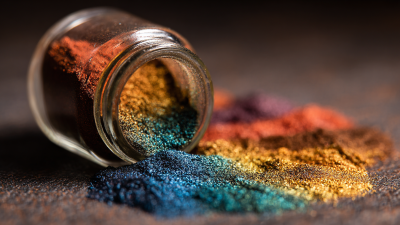
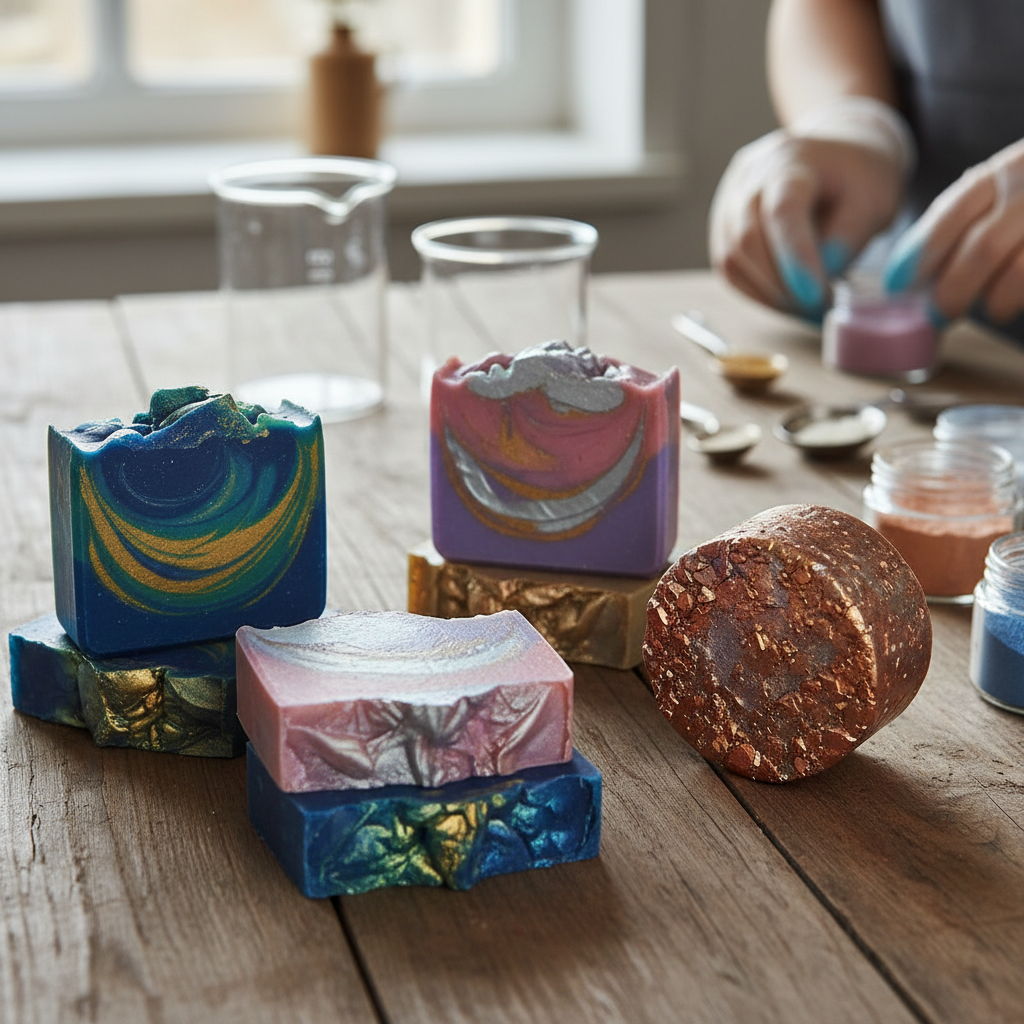
Mica powder is a versatile mineral pigment widely used in the beauty and personal care industry, particularly for soap making. This fine mineral is valued not only for its shimmering aesthetic but also for its unique properties, which include non-toxicity and a natural origin. Mica is often chosen for its ability to reflect light, imparting a luminous quality to soaps that is both visually appealing and inviting to the touch. A report from the Cosmetic Ingredient Review highlighted that mica powder can enhance the overall sensory experience of a product, contributing to consumer satisfaction.
When incorporating mica powder into soap making, consider the quality of the mica. Opt for ethically sourced mica to address sustainability concerns that have arisen in recent years. Many brands are now focused on using responsibly sourced materials, as the mining process can often lead to environmental degradation and social issues in producing regions.
**Tips:**
- Start with small amounts of mica powder; a little goes a long way in achieving vibrant colors.
- Experiment with blending different mica shades to create custom colors and effects that cater to your unique soap-making vision.
- Ensure your workspace is well-ventilated when working with powdered pigments to maintain a safe crafting environment.
Selecting the Right Mica Colors: Tips for Stunning Soap Designs
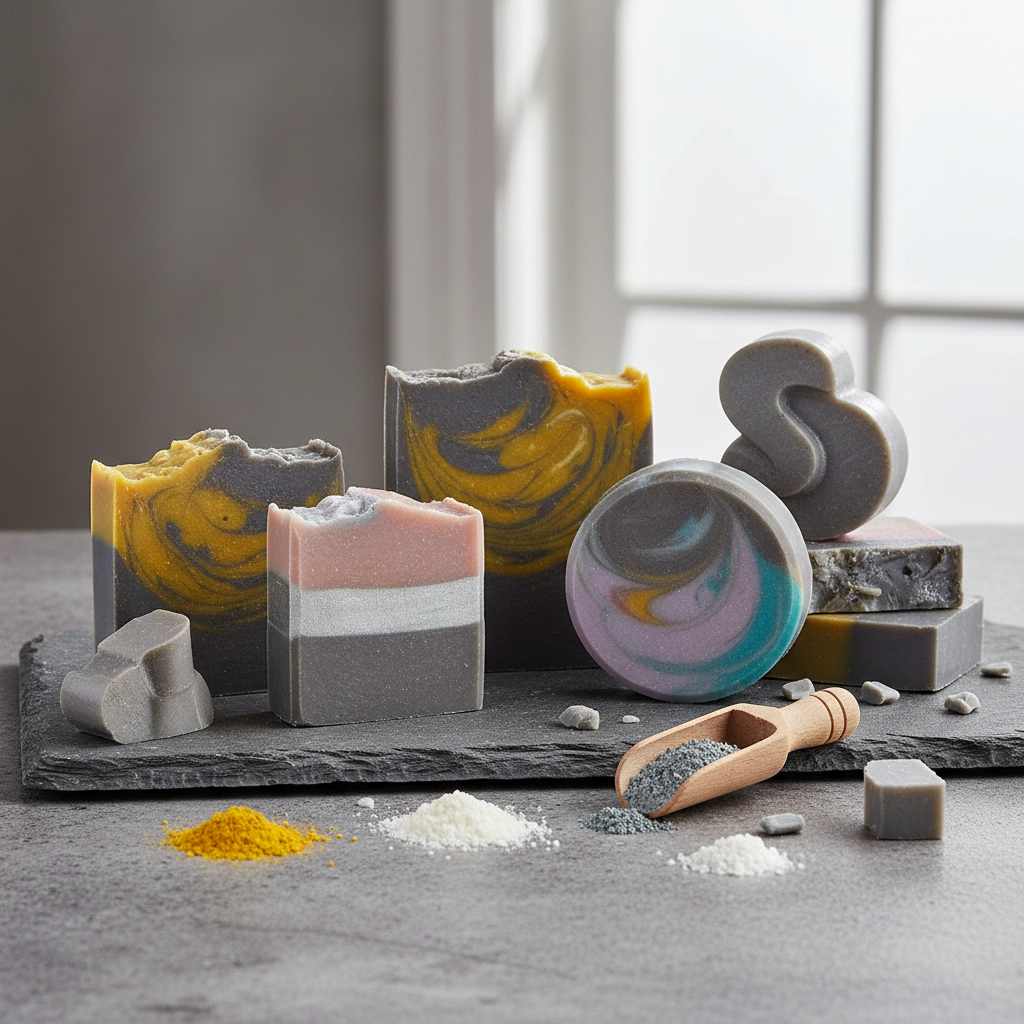
When it comes to soap making, selecting the right mica colors can elevate your creations and captivate your audience. Mica powders, known for their vibrant and shimmering shades, can be combined effectively to achieve stunning soap designs. According to the latest trends in interior styling, grey is considered a versatile base color, pairing beautifully with a wide range of hues. This versatility can be applied in soap making as well, where neutral tones like grey allow brighter mica colors such as vivid yellows or soft pinks to pop, creating visually striking bars of soap.
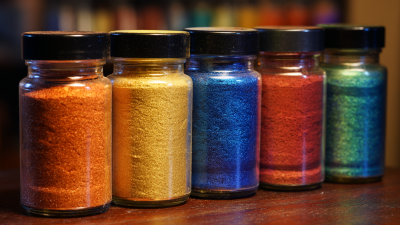
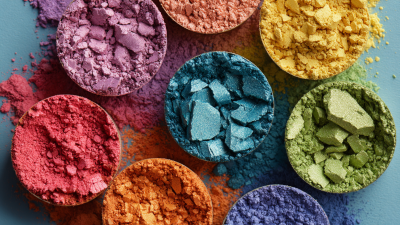
Industry reports highlight that the use of color in handmade products can significantly influence consumer choice, with nearly 85% of shoppers stating that color is the primary reason they purchase a product. For soap makers, this means that the careful selection of mica colors is crucial not only for aesthetic appeal but also for marketability. Incorporating complementary colors—such as using teal mica alongside grey or pastel oranges with more muted tones—can add dimension and intrigue to your soap designs. By understanding color theory and the psychological impact of color on purchasing decisions, soap makers can craft unique products that stand out on the shelves.
Techniques for Incorporating Mica Powder into Soap Recipes
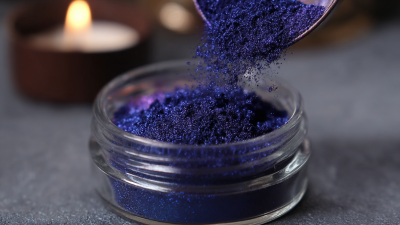
Mica powder can transform your soap-making projects, adding stunning color effects that elevate your creations. To incorporate mica powder into your soap recipes effectively, start by mixing the mica with a carrier oil such as olive oil or sweet almond oil. This method ensures that the color disperses evenly throughout the soap batter. It’s crucial to use a small amount at first, as mica is highly pigmented; you can always add more until you achieve your desired intensity.
Another effective technique is to create a mica swirl. To do this, prepare your soap batter and divide it into separate containers. Add different colors of mica powder to each portion. When pouring the batter into your mold, alternate layers or create a swirl pattern using a skewer or a spatula. This approach not only gives your soap visual depth but also allows for creative expression, letting you experiment with various color combinations and patterns. By understanding these techniques, you can truly unleash your creativity in soap making.
How to Use Mica Powder for Soap Making to Achieve Stunning Color Effects
| Technique |
Description |
Recommended Mica Color |
Usage Quantity (per pound of soap) |
| Mixing in Oils |
Blend mica powder with your carrier oils before adding to the soap mixture for a uniform color. |
Rose Gold |
1-2 teaspoons |
| Dusting Technique |
Sprinkle mica powder into your soap mold for a glittery effect on the surface. |
Sparkling Silver |
1 tablespoon |
| Layering Colors |
Create distinct layers of color by adding mica powder to each layer separately. |
Ocean Blue |
1-3 teaspoons per layer |
| Swirling |
Add small amounts of mica to your soap batter and swirl with a spoon or spatula. |
Sunset Orange |
1 teaspoon |
| Color Bombs |
Form small balls of soap colored with mica, then drop them into the mold for a burst of color. |
Vibrant Purple |
2 teaspoons per ball |
Achieving Unique Effects: Layering and Swirling with Mica
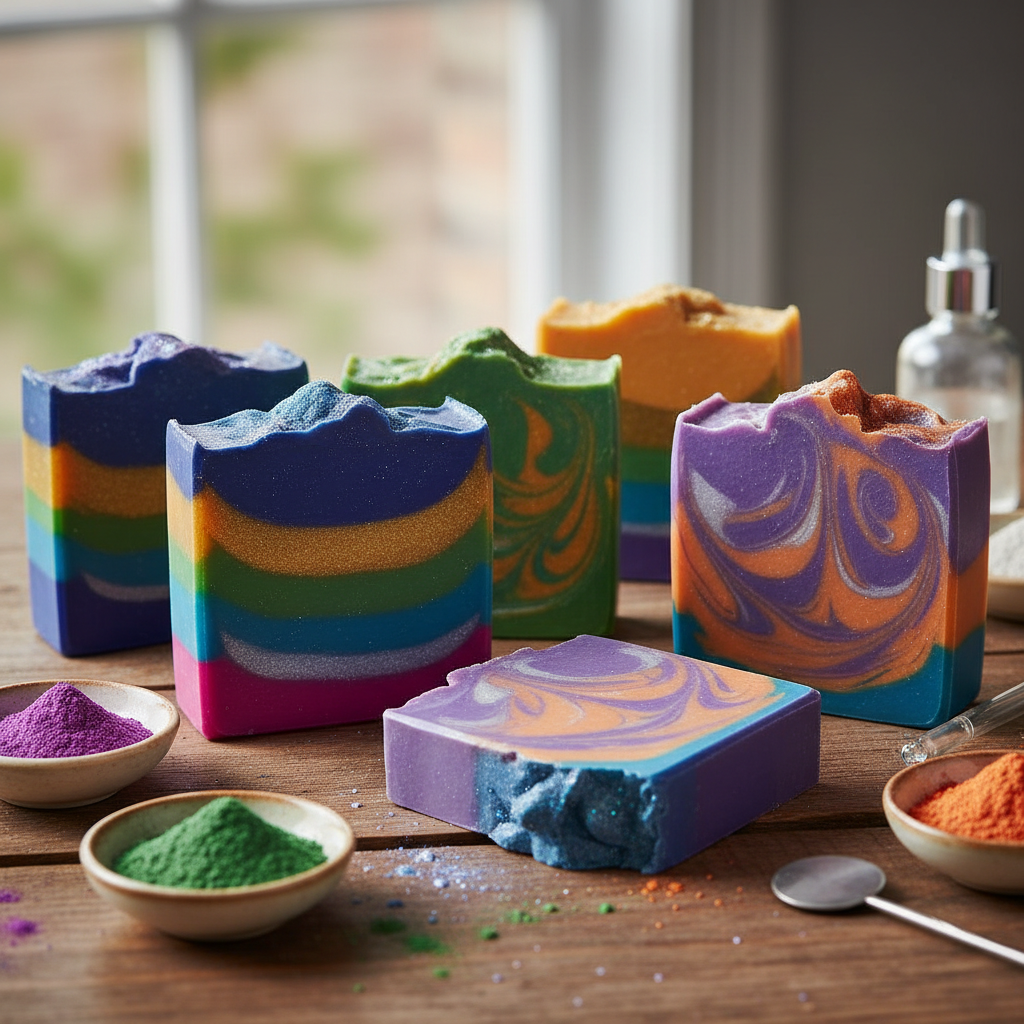
Mica powder is a fantastic medium for enhancing the visual appeal of handmade soaps. By utilizing layering and swirling techniques, you can create vibrant, unique effects that set your soap apart. To achieve layers, pour different colors of soap batter into your mold one at a time, allowing each layer to set slightly before adding the next. This method not only showcases the beauty of mica but also creates an eye-catching gradient effect.
When it comes to swirling, the technique can provide a marbled look that is both intricate and mesmerizing. After preparing your soap batter with mica powder, pour it into the mold in a random pattern. Then, use a skewer or a stick to gently swirl the colors together, being careful not to overmix. This will allow the colors to blend beautifully while still retaining distinct sections, resulting in a stunning visual display.
Tips: For best results, use a lighter base color to enhance the vibrancy of the mica powders. Mixing mica with a small amount of oil before adding it to the soap can also help to distribute the color more evenly. Always remember to test your colors on a small batch to see how they interact with your soap recipe!
Common Mistakes to Avoid When Using Mica Powder in Soap Making
When using mica powder in soap making, several common mistakes can hinder the stunning color effects you aim to achieve. One frequent error is failing to mix the mica powder thoroughly before adding it to your soap base. If not mixed well, you may end up with uneven color distribution, resulting in blotchy soap bars. To avoid this, consider pre-mixing the mica with a small amount of oil before incorporating it into your soap mixture. This helps create a more uniform and vibrant color.
Another mistake is using too much mica powder. While it can be tempting to add more for a richer hue, too much can lead to a gritty texture and ultimately affect the quality of your soap. Stick to the recommended amounts, and remember that you can always layer colors or add more in subsequent batches if you want to deepen the hues.
Tips for successful mica powder application also include testing colors on a small batch first. This allows you to see how the colors will appear once cured and helps you adjust proportions before committing to larger batches. Additionally, always choose high-quality mica powders that are skin-safe to ensure that your final product is not only beautiful but also safe for use.
Color Effects of Mica Powder in Soap Making