Mica Powder for Skin Benefits Uses and Tips for Safe Application
Mica powder for skin has gained remarkable popularity in the beauty industry for its aesthetic appeal and potential benefits. As a mineral-derived ingredient, it's frequently incorporated into cosmetics for its shimmering qualities and ability to enhance skin radiance. According to Dr. Emily Chen, a renowned dermatologist and expert in cosmetic ingredients, “Mica powder for skin not only provides a beautiful finish but also contributes to the overall texture by offering a lightweight feel.”
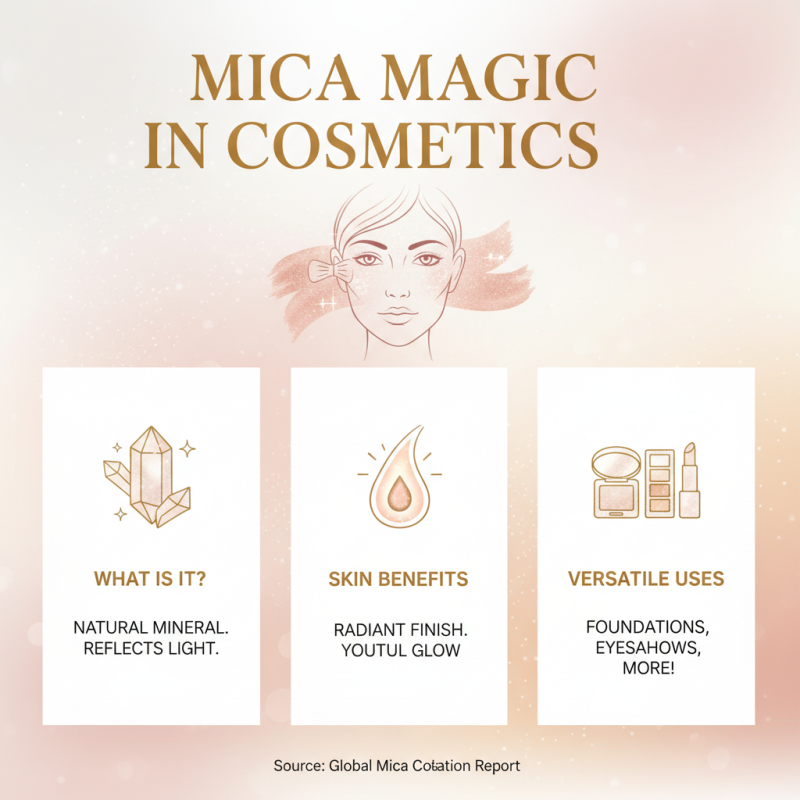
The versatility of mica powder is evident in various formulations, ranging from foundations and blushes to eye shadows and body shimmers. Beyond its decorative allure, this natural mineral has been praised for its ability to reflect light, thereby imparting a youthful glow and helping to blur imperfections. However, understanding the proper applications and safety precautions is essential for maintaining skin health while enjoying its cosmetic benefits.
In this guide, we will explore the many uses of mica powder for skin, discussing its advantages, application techniques, and tips for safe usage to ensure that you can incorporate it into your beauty routine successfully and safely. Whether you're a makeup enthusiast or industry professional, knowing how to effectively utilize mica powder will enhance your cosmetic experiences and results.

Mica Powder: Definition and Composition
Mica powder is a naturally occurring mineral that is widely used in cosmetics and personal care products due to its unique properties. Composed primarily of silicate minerals, it is notable for its light-reflecting and shimmering qualities, which give products a radiant finish. Mica is found in several forms, each varying slightly in composition, but the most common types include muscovite and phlogopite. These minerals are often ground into a fine powder to achieve the desired texture for use in various applications.
The composition of mica powder also includes trace elements and minerals that can contribute to its effectiveness as a cosmetic ingredient. It is free from harmful chemicals, making it a preferred choice for formulations aimed at providing a natural look. Additionally, due to its layered structure, mica powder can provide a silky feel and enhance the adherence of products to the skin. This makes it particularly useful in makeup products such as foundations, eyeshadows, and highlighters, where it can improve the overall aesthetic while being gentle on the skin.
Skin Benefits of Mica Powder
Mica powder has surged in popularity within the cosmetic industry due to its numerous skin benefits and versatile applications. As a naturally occurring mineral, mica is renowned for its ability to reflect light, providing a radiant finish to cosmetic products. According to a report by the Global Mica Coalition, the increased demand for mica in cosmetics has led to a significant rise in its incorporation into various formulations, ranging from foundations to eye shadows. This unique property not only enhances the appearance of the skin but also contributes to a youthful glow, making it a favored ingredient for makeup formulations aimed at achieving a luminescent look.
In addition to its aesthetic appeal, mica powder also offers several skin-related benefits. Research from the Journal of Cosmetic Science indicates that mica has excellent absorbent properties, which helps in controlling excess oil on the skin's surface, making it suitable for individuals with oily skin types. Furthermore, mica is often used as a safe colorant in formulations due to its non-toxic nature, offering peace of mind for those concerned about skin irritations or allergies. The Environmental Working Group (EWG) rates mica as a safe ingredient in cosmetics, highlighting its low risk of skin irritation, thus reinforcing its status as a worthwhile addition to skincare routines.
Common Uses of Mica Powder in Cosmetics
Mica powder is a popular ingredient in the cosmetics industry due to its unique properties and benefits for the skin. Commonly used in products like foundations, eyeshadows, and highlighters, mica powder not only provides a shimmery finish but also enhances the overall application of make-up. Its ability to reflect light makes it a favorite for creating luminous effects, helping to achieve that coveted glowing complexion. Additionally, mica is often preferred for its natural origins, allowing consumers to enjoy beauty products with minimal synthetic ingredients.
When using mica powder in cosmetics, it is essential to consider a few tips for safe application. First, always perform a patch test to check for any allergic reactions, especially if you have sensitive skin. Applying a small amount of the product on your inner arm can help determine compatibility. Furthermore, when mixing mica powder with other ingredients, ensure that the mixture is evenly blended to avoid graininess on the skin. Finally, be mindful of the quantity you use; a little goes a long way, and it's best to start with a small amount and build up as needed.
Another key aspect is to choose products that are marked as cosmetic-grade mica. This designation indicates that the mica has undergone appropriate processing to be safe for skin use. Regularly check expiration dates and labels, ensuring you’re using fresh, high-quality ingredients. By keeping these tips in mind, you can enjoy the beauty-enhancing benefits of mica powder while ensuring a safe makeup experience.
Mica Powder in Cosmetics: Common Uses and Benefits
Tips for Safe Application of Mica Powder
When using mica powder for skin applications, ensuring safety is paramount. Mica is a naturally occurring mineral widely used in cosmetics for its shimmering effect; however, it should be handled with care to avoid skin irritation or respiratory issues.
One essential tip for safe application is to do a patch test before using mica powder on larger areas of the skin. Apply a small amount of the product on a discreet skin area, such as the inner wrist, and observe for any adverse reactions over 24 hours. This helps to determine any sensitivities before full application.
Additionally, when blending mica powder into your skincare products or makeup, always work in a well-ventilated area. Wearing a mask can help prevent the inhalation of fine mica particles. Lastly, ensure that the mica powder is sourced from reputable suppliers who provide cosmetic-grade materials to ensure safety and quality.
These precautions will help you enjoy the benefits of mica powder while minimizing any potential risks to your skin.
Mica Powder for Skin Benefits Uses and Tips for Safe Application
| Use |
Benefits |
Application Tips |
| Cosmetics (e.g., Eyeshadow) |
Adds shimmer and enhances color |
Use a small brush for precise application |
| Skincare Products |
Provides a smooth texture and glow |
Mix thoroughly with other ingredients |
| Nail Art |
Creates stunning nail designs |
Seal with a top coat for longevity |
| Craft Projects |
Enhances decorative items |
Sprinkle onto glue or adhesive before it dries |
Potential Allergies and Precautions with Mica Powder
While mica powder is widely celebrated for its cosmetic benefits, there are potential allergies and precautions that users should be aware of. According to a study published in the Journal of Cosmetic Science, about 1.5% of the population could exhibit some form of allergic reaction to mica, primarily due to its mineral composition and potential contaminants. Reactions may range from mild skin irritation to more severe responses, highlighting the importance of conducting a patch test before widespread application.
Additionally, due diligence in sourcing mica powder is crucial. A report by the Personal Care Products Council emphasizes the significance of cosmetic-grade mica, which undergoes stringent regulations to ensure safety. Using non-cosmetic-grade mica may increase the risk of exposure to contaminants that could exacerbate allergic reactions. It’s recommended to avoid products that do not clearly state their mica source and undergo rigorous testing. Furthermore, individuals with sensitive skin or pre-existing skin conditions should proceed with caution, consulting healthcare professionals if necessary to mitigate any adverse effects.