What is Mica Powder for Paint? Benefits, Types, and Industry Insights
Mica powder for paint has emerged as a crucial ingredient in various industries, especially in the realm of decorative and functional coatings. According to a report by MarketsandMarkets, the global mica market is projected to reach USD 1.57 billion by 2026, driven by the rising demand for vibrant and durable paints and coatings.
Mica powder not only enhances the aesthetic appeal of finished surfaces but also contributes to their durability and resistance to weathering—key factors that are increasingly prioritized by manufacturers.
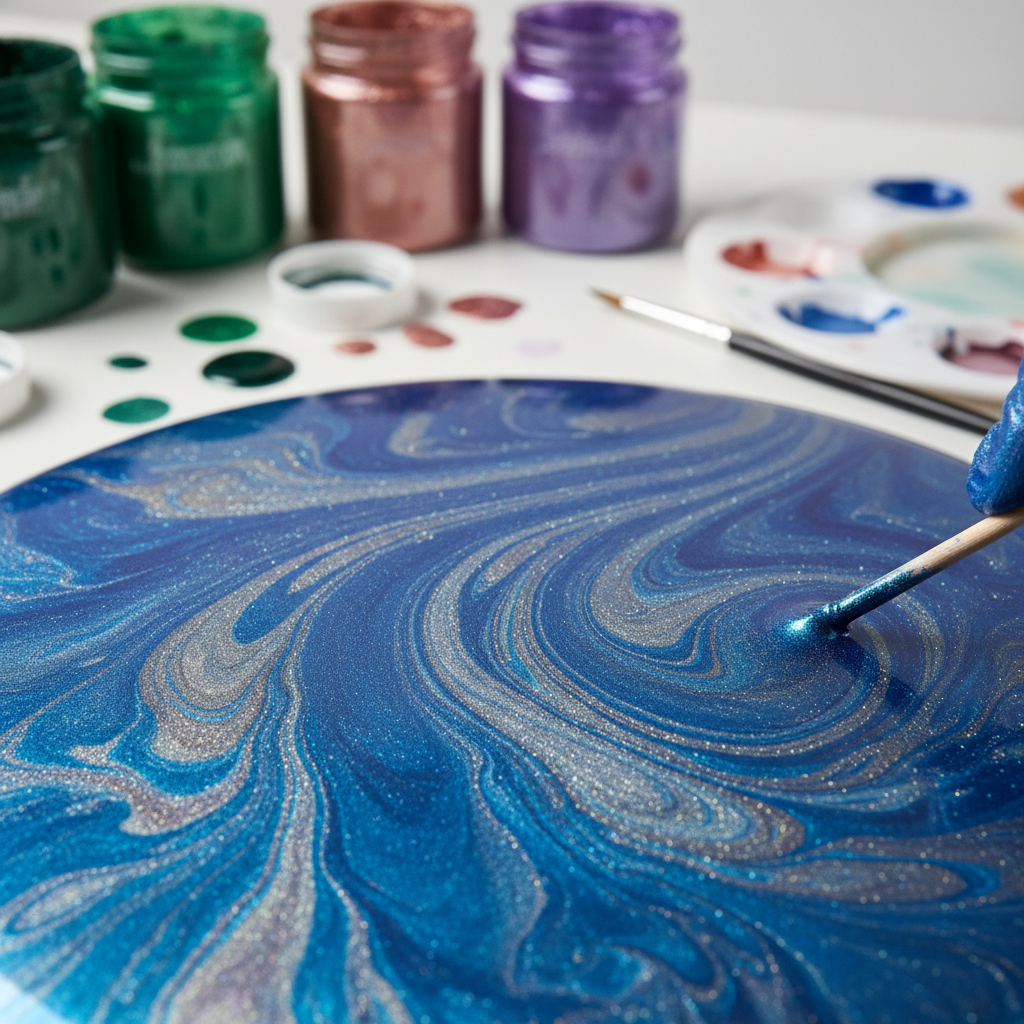
In recent years, the use of mica powder for paint has expanded beyond traditional applications. The versatility of mica allows for its incorporation in various paint formulations, enabling producers to achieve specific attributes such as gloss, shimmer, and texture.
As noted in a report by Research and Markets, innovations in mica extraction and processing have further propelled its popularity, positioning it as a preferred choice in a competitive landscape increasingly focused on sustainable and high-performance materials.
This article delves into the benefits, types, and industry insights related to mica powder for paint, highlighting its critical role in modern coating solutions.
Understanding Mica Powder: Definition and Properties
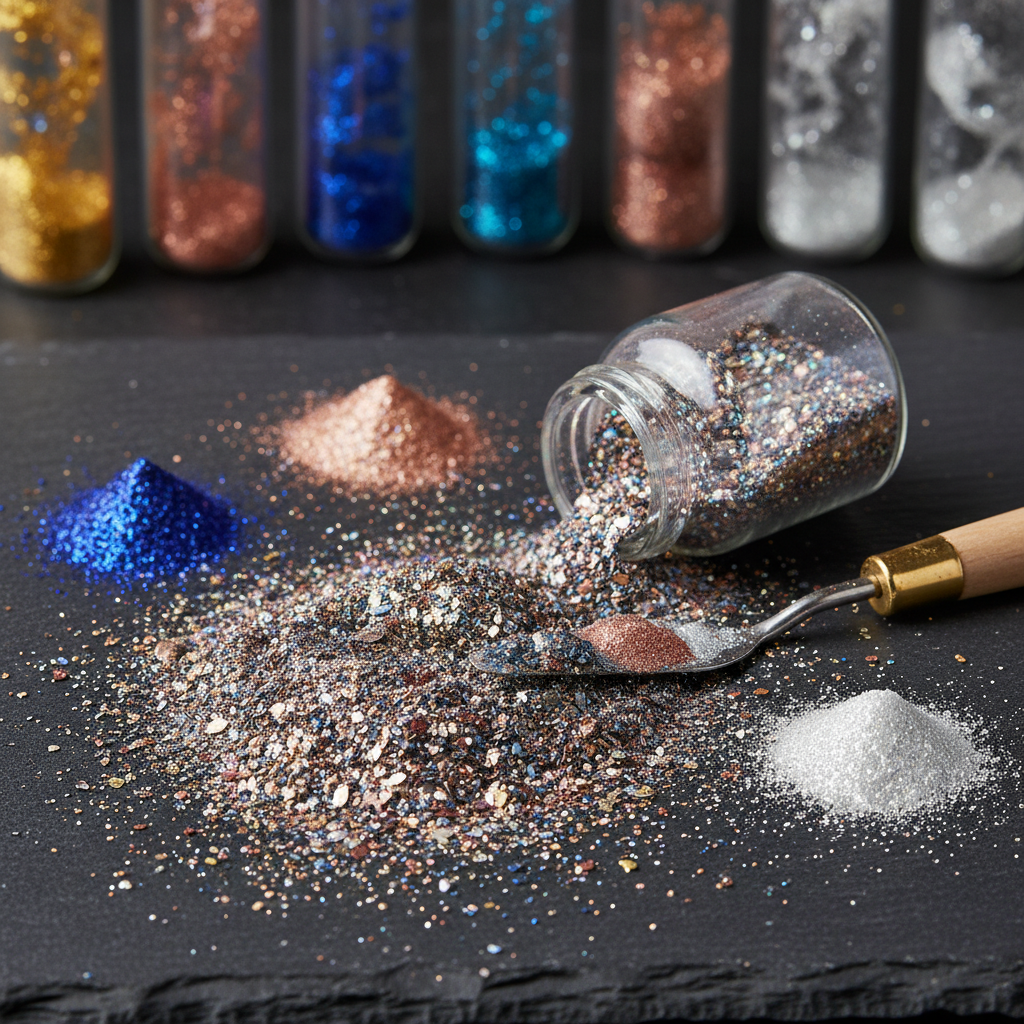
Mica powder is a finely ground mineral derived from the naturally occurring mica stone, known for its layered structure and excellent shimmer. This unique characteristic is what makes mica powder a favored additive in various paint formulations. The powder typically exhibits a range of colors and transparency levels, allowing artists and manufacturers to achieve diverse visual effects. Mica's inert nature ensures that it does not react with other materials, maintaining the integrity of the paint while enhancing its aesthetic appeal.
In addition to its visual properties, mica powder boasts several practical benefits. It improves the durability of paints, providing resistance to moisture and UV radiation, which helps maintain color vibrancy over time. The addition of mica powder can also improve the spreadability of paint, making application smoother and more uniform. Furthermore, its non-toxic composition makes it a safe choice for use in various products, including cosmetics and children's art materials. As a result, mica powder continues to be a popular and versatile ingredient within the paint industry, catering to both professional artists and hobbyists alike.
Key Benefits of Using Mica Powder in Paint Formulations
Mica powder is a versatile additive that enhances paint formulations with its unique properties. One of the significant benefits of using mica powder in paints is its ability to create a shimmering effect. The natural mineral composition of mica gives paints a lustrous finish, which can elevate the aesthetic appeal of various surfaces. This shimmering quality is particularly sought after in decorative paints, automotive finishes, and artistic applications, where visual impact is paramount.
In addition to its cosmetic advantages, mica powder also contributes to the overall performance of paint. It can improve the durability and weather resistance of the paint, making it suitable for both indoor and outdoor applications. Mica acts as a reinforcing agent, providing additional strength to the paint film and enhancing its resistance to wear and tear. Furthermore, its excellent light-reflecting properties can improve the hiding power of paints, allowing for better coverage and a more uniform finish. This combination of benefits makes mica powder an essential ingredient in many modern paint formulations, driving innovation and creativity in the coatings industry.
Mica Powder Benefits in Paint Formulations
Different Types of Mica Powder: Varieties and Applications
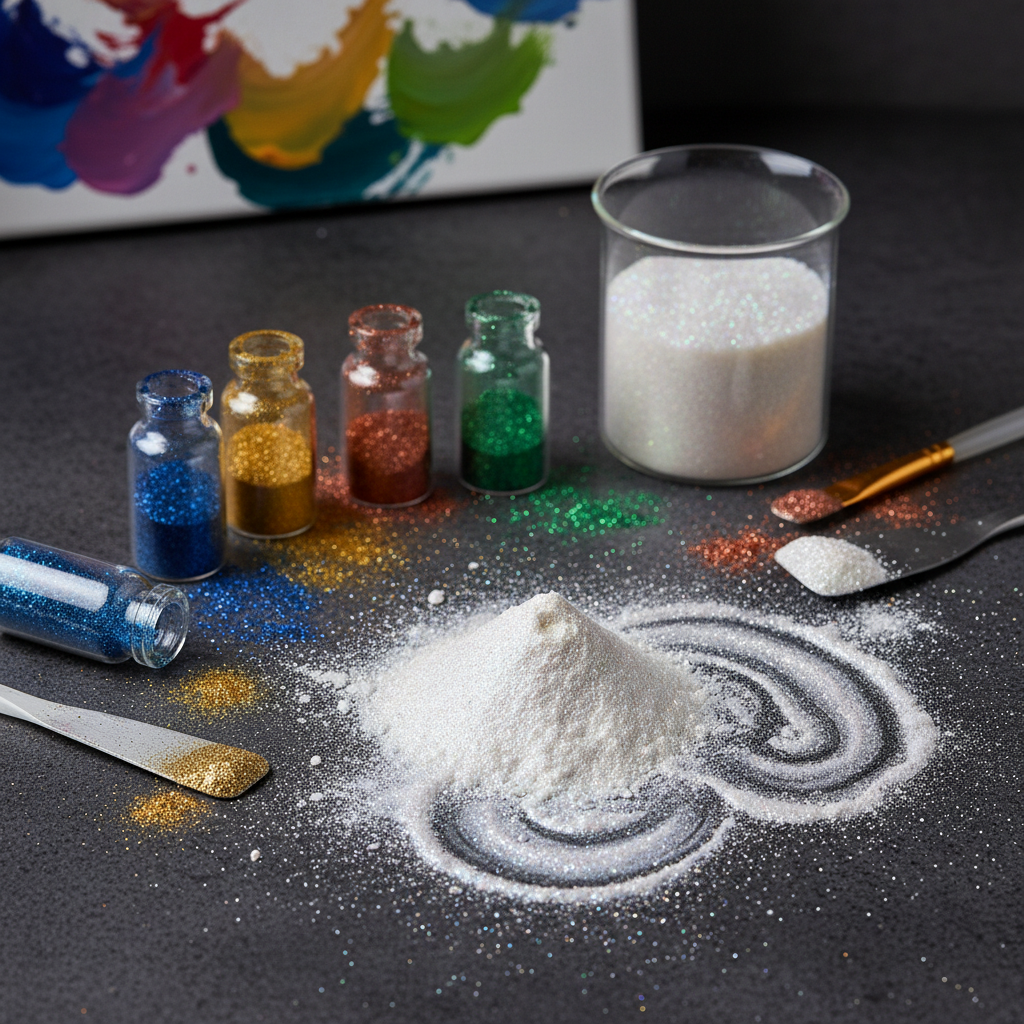
Mica powder has gained significant traction in the paint industry due to its unique properties and versatility. This mineral comes in various forms, each serving distinct purposes in applications ranging from automotive coatings to decorative paints. The most common types of mica powder include white mica, colored mica, and synthetic mica, which cater to different aesthetic and functional requirements.
According to a recent report by Market Research Future, the mica powder market is expected to reach a valuation of approximately $2.48 billion by 2027, reflecting a CAGR of 5.6% from 2020 to 2027.
Each variety of mica powder offers specific benefits. White mica, known for its purity and reflective qualities, is often used to enhance the gloss and brightness of paints. Conversely, colored mica powders are ideal for producing vibrant hues without compromising the paint's durability.
Synthetic mica, on the other hand, is an emerging choice in the industry, as it offers improved consistency and lighter weight properties. With the increasing demand for eco-friendly and sustainable products, the use of natural mica powders is also being scrutinized, leading to a shift towards responsibly sourced materials. This trend underscores the importance of understanding the different types of mica powder and their applications in achieving high-quality paint finishes.
Industry Trends: Mica Powder Usage in Modern Paint Manufacturing
Mica powder has gained significant traction in modern paint manufacturing due to its unique properties and aesthetic appeal. With the growing demand for eco-friendly and visually striking products, the use of mica powder has become a prominent trend. This natural mineral not only enhances the shimmer and luster of paints but also plays a vital role in improving durability and weather resistance. As manufacturers strive to deliver high-quality finishes, incorporating mica powder is an effective way to achieve a competitive edge in the marketplace.
Tips: When selecting mica powder for your paint formulations, consider choosing non-toxic and cruelty-free options to cater to a more environmentally conscious consumer base. Additionally, experimenting with different particle sizes can yield varied effects; finer powders provide a subtle sheen, while coarser particles create a more dramatic sparkle.
Beyond aesthetics, the industry is witnessing a shift towards sustainability. Paint manufacturers are increasingly looking for suppliers who prioritize ethical sourcing and production methods. This trend not only supports the environment but also resonates with consumers who value transparency and corporate responsibility. As the demand for eco-friendly solutions rises, mica powder is positioned to play a crucial role in the future of innovative paint formulations.
Sustainability and Sourcing of Mica Powder in the Paint Industry
Mica powder is increasingly popular in the paint industry, not just for its aesthetic qualities but also due to rising concerns about sustainability and responsible sourcing practices. Research indicates that the global mica market was valued at approximately $1.7 billion in 2020, and its demand is expected to grow significantly as eco-consciousness gains traction among consumers and manufacturers alike. Sourcing mica from responsible mines, particularly in regions like India and Madagascar, has become paramount in addressing ethical concerns surrounding child labor and environmental degradation often associated with mica extraction.
Recent industry reports suggest that companies are now focusing on traceability in their mica supply chains. For instance, the Responsible Mica Initiative highlights the commitment of various organizations to ensure that mica is sourced sustainably, which involves not only environmental protection but also fostering local communities through education and fair labor practices. This shift towards more ethical sourcing not only aligns with consumer expectations but also helps paint manufacturers differentiate their products in a competitive market where sustainability is a key selling point. As a result, the integration of sustainably sourced mica powder is anticipated to play a crucial role in shaping the future landscape of the paint industry.
What is Mica Powder for Paint? Benefits, Types, and Industry Insights - Sustainability and Sourcing of Mica Powder in the Paint Industry
| Dimension |
Details |
| Type of Mica Powder |
Synthetic Mica, Natural Mica |
| Color Options |
White, Silver, Gold, Custom Colors |
| Benefits |
Ultra-fine texture, UV resistance, Improved durability |
| Main Applications |
Interior Paints, Exterior Paints, Automotive Coatings |
| Sourcing Challenges |
Ethical mining, Supply chain transparency, Environmental impact |
| Sustainable Sourcing Solutions |
Certification programs, Community engagement, Alternative materials |
| Market Trends |
Increased demand for eco-friendly products, Growth in DIY markets |
| Future Outlook |
Research into synthetic alternatives, Stricter regulations on sourcing |