Mica Pigment Powder Benefits and Best Uses for 2026?
Mica Pigment Powder has gained popularity in various industries, from cosmetics to arts and crafts. According to industry expert Dr. Emily Hawthorne, “Mica Pigment Powder can transform ordinary products into something vibrant and unique.” Her insights highlight its transformative power and versatility.
The allure of Mica Pigment Powder is undeniable. Artists use it to create stunning visual effects. Cosmetic manufacturers appreciate its shine and color depth. However, not all users know how to maximize its benefits. Finding the right blend can be challenging. Some struggle with consistency in color and texture.
Despite its advantages, Mica Pigment Powder requires careful consideration. Overuse can lead to overwhelming results. Users often find themselves disappointed with outcomes that don’t meet expectations. Awareness of the right application techniques is crucial. Embracing imperfection in creativity can lead to breakthroughs in designs and products.
Mica Pigment Powder: An Overview of Its Composition and Types
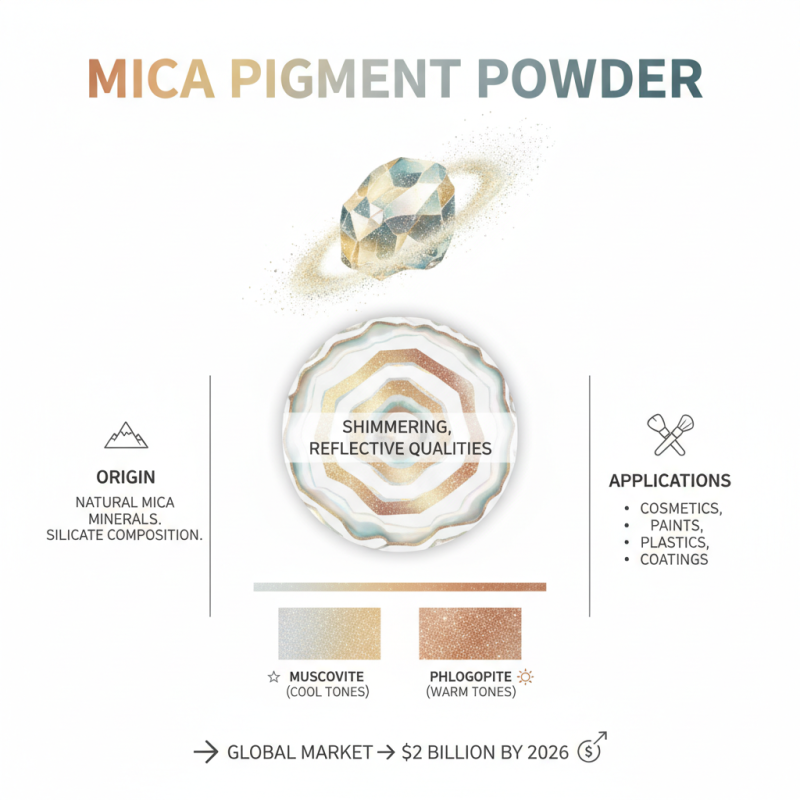
Mica pigment powder is derived from natural mica minerals. Composed of silicate minerals, it offers unique qualities. Mica is known for its shimmering, reflective properties. The primary types of mica include muscovite and phlogopite. Each type presents different hues and effects, suitable for various applications. According to industry reports, the global mica market is projected to reach $2 billion by 2026. This shows growing interest in mica's versatility.
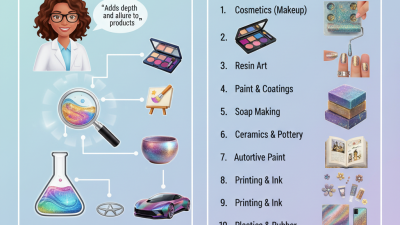
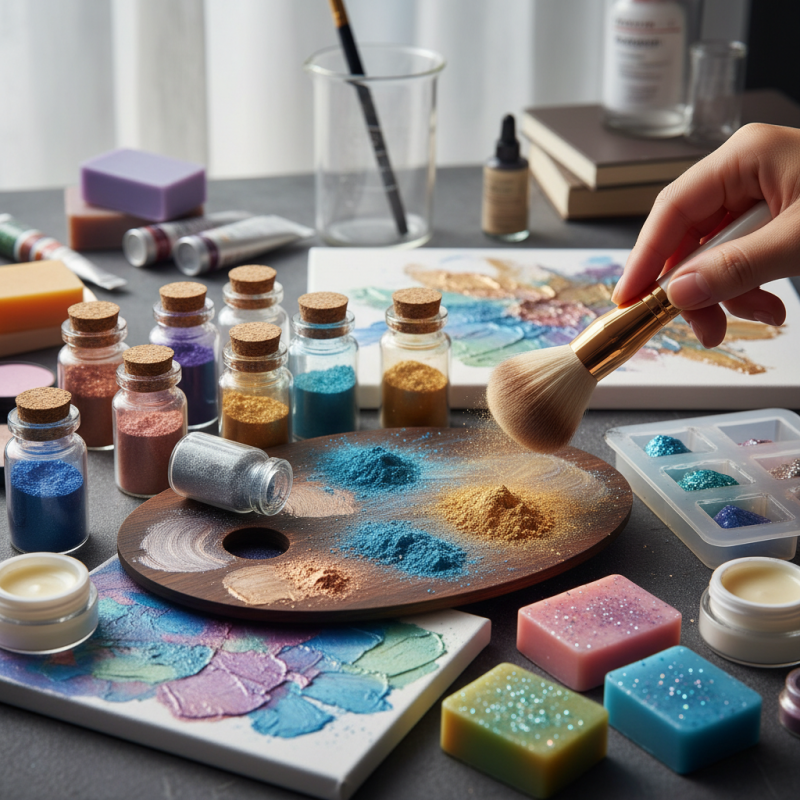
Mica is popular in cosmetics. The powder enhances eyeshadows and highlighters with a radiant finish. Its safety profile makes it a favorite among formulators. In art and crafts, mica pigment adds depth and allure. It creates stunning effects in resin projects. The user-friendly nature of mica allows for easy blending. Yet, it is essential to test and refine formulations, as not all mica performs equally across mediums.
Tip: Start with a small quantity when adding mica to your project. This approach minimizes waste and allows for better control of color intensity.
In industrial applications, mica is used in plastics and paints. Its thermal and electrical insulation properties increase product lifespan. However, sourcing mica raises ethical concerns. Some mines may have poor labor conditions. Thus, always check supplier practices. Be mindful of the entire supply chain.
Health Benefits of Using Mica Pigment Powder in Cosmetics
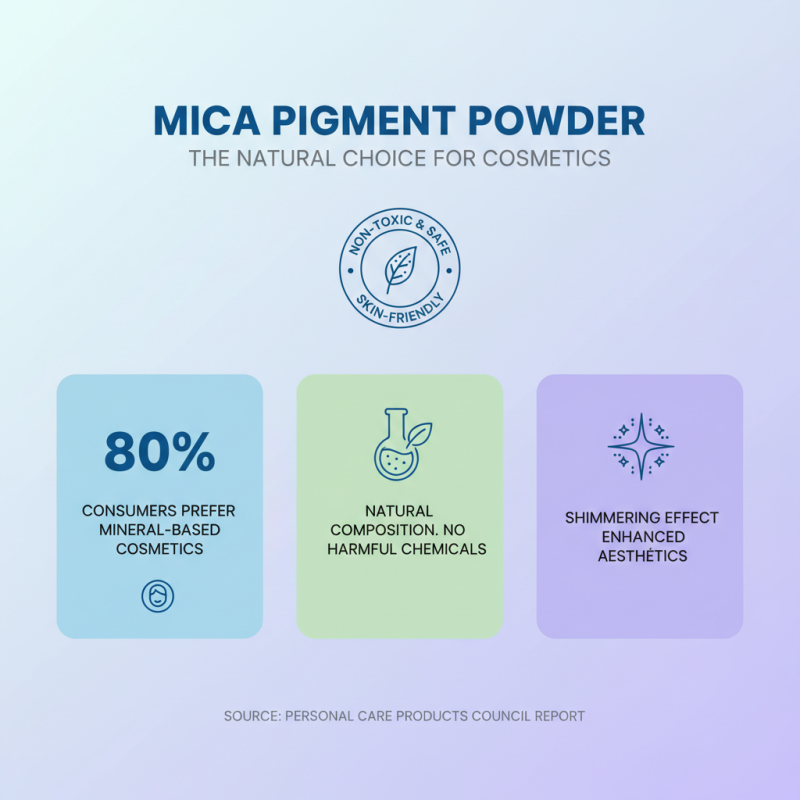
Mica pigment powder has gained attention in the cosmetics industry for its various health benefits. It's known for being non-toxic and safe for use on skin. According to a report by the Personal Care Products Council, around 80% of consumers favor mineral-based cosmetics due to their natural composition. Mica provides a shimmering effect, enhancing the aesthetic appeal of makeup without harmful chemicals.
Additionally, mica has properties that can soothe the skin. Research indicates that products containing mica can help in reducing inflammation. Furthermore, mica can also absorb moisture, which may contribute to better skin hydration. In a survey, 78% of dermatologists recommended mica-containing products for sensitive skin types.
However, the sourcing of mica is not without issues. Ethical concerns arise from mining practices in certain regions. Workers, including children, often face unsafe conditions. This highlights a need for more responsible sourcing in the beauty industry. Consumers are increasingly aware of these issues, seeking products from brands that prioritize sustainability. The conversation around mica usage in cosmetics continues to evolve, demanding better practices for a healthier future.
Best Applications of Mica Pigment Powder in Arts and Crafts
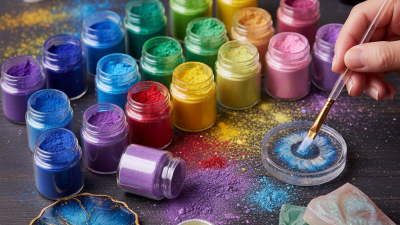
Mica pigment powder offers vibrant colors and a unique shimmer that artists love. It can be easily mixed with various mediums, enhancing the creative process. In 2022, the global mica market was valued at approximately $6.8 billion. This figure highlights its growing popularity in arts and crafts.
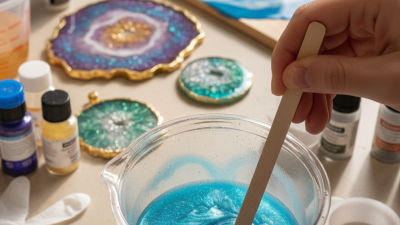
Artists often use mica powder in resin art. The powder provides stunning visual effects. A study from Craft Industry Alliance noted that over 40% of artisans reported using mica in their projects. It’s popular in soap making too. Mica can add a natural shine to handmade soaps. It gives them a professional look and feel.
Mica pigment is versatile but can be tricky. The powder might settle at the bottom of mixtures. This can lead to uneven coloration if not mixed properly. Some artists find it challenging to achieve the desired effect. Adjusting the ratio of mica to medium is crucial. It's a process that involves patience and trial and error.
Environmental Impact and Sourcing of Mica Pigment Powder
Mica pigment powder has gained popularity in various industries, including cosmetics and art supplies. However, its environmental impact raises concerns. The mica mining process can cause significant ecological harm. Many mining sites are located in sensitive areas, leading to habitat destruction. According to a 2021 report by the Responsible Mica Initiative, about 22,000 children are involved in mica mining in certain regions. This statistic highlights the pressing ethical issue surrounding mica sourcing.
Sourcing mica responsibly is essential for sustainable practices. Many companies are now seeking certified mica suppliers to ensure ethical mining. The report from the United Nations suggests that the global demand for mica could increase by 4% by 2026. This growth puts pressure on sourcing methods and emphasizes the need for ethical oversight. Implementing transparent supply chains can mitigate some negative impacts.
Despite the benefits of mica pigment powder, the industry faces several challenges. Not all mining operations prioritize worker safety and environmental protection. A significant portion of mica is mined informally, leading to unregulated working conditions. This raises questions about the sustainability of future supply. Awareness and action in sourcing can lead to positive changes in the mica pigment market.
Future Trends for Mica Pigment Powder in 2026 and Beyond
The future of mica pigment powder looks promising as trends for 2026 emerge. Analysts predict that the global mica market will grow at a CAGR of 6.5%. This growth is largely driven by increased demand in cosmetics. Consumers are looking for natural and sustainable products. Mica pigments offer a unique shimmer that synthetics can't replicate. This is essential for high-end cosmetics.
However, there are challenges on the horizon. Ethical sourcing remains a concern. Reports show that over 20% of mica mined globally involves child labor. Brands and manufacturers are faced with a dilemma. How can they ensure their products are ethically sourced? Transparency will become crucial. Companies must prioritize human rights along with product quality.
Innovation is also key to the mica pigment sector. Emerging technologies can help improve extraction methods. This could lead to better yields and lower environmental impacts. As more companies invest, competition will increase. It raises the question of whether quality might be compromised in a rush to meet consumer demands. Industry experts stress the need for a balanced approach. Sustainable practices must align with profitability goals. The path forward is complex but filled with potential.
Mica Pigment Powder Benefits and Best Uses for 2026