How to Use Mica Paint Powder for Stunning Art Projects and DIY Crafts
Mica Paint Powder has emerged as a transformative medium in the world of art and DIY crafts, captivating both amateur and professional artists alike. As experts like Dr. Emily Carter, a leading figure in the field of art materials, aptly state, "Mica Paint Powder allows artists to unleash their creativity in ways they never thought possible, adding depth and brilliance to every project." This vibrant and versatile powder not only enhances the visual appeal of art pieces but also opens up a myriad of possibilities for creative expression.
Incorporating Mica Paint Powder into your artistic endeavors can elevate your work from ordinary to extraordinary. Whether you are painting, crafting, or engaging in mixed media projects, the shimmering effects of mica create an enchanting finish that captivates the viewer's attention. This introduction to Mica Paint Powder will guide you on how to effectively utilize this stunning medium, ensuring your art projects shine with brilliance and originality. By understanding the unique properties and application techniques of Mica Paint Powder, you can create stunning artworks that reflect your personal style and creativity.

Introduction to Mica Paint Powder and Its Uses
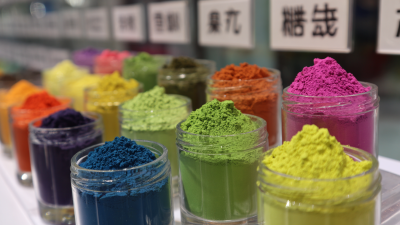
Mica paint powder is a versatile and vibrant medium that has gained popularity among artists and crafters for its unique shimmering properties. This fine powder, derived from natural mica minerals, can be easily integrated into various art projects, providing a stunning visual effect. Its reflective qualities make it ideal for adding depth and dimension to paintings, resin art, and mixed media pieces. When mixed with different binders, mica powder can create a range of finishes from metallic glows to soft pastels, allowing for endless creative possibilities.
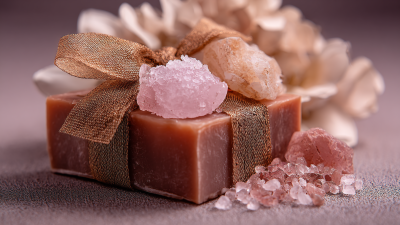
Artists can experiment with mica paint powder in various mediums, including acrylics, watercolors, and even epoxy resins. For painting, it can be blended with a simple medium or mixed directly with paint to enhance color vibrancy. Additionally, mica powder is commonly used in DIY crafts such as homemade soaps, candles, and cosmetics, where its natural shimmer can provide a beautiful, iridescent finish. Moreover, when used in conjunction with other materials, mica powder can elevate everyday objects into extraordinary art pieces, making it an essential addition to any crafter’s toolkit. Whether you are creating a canvas masterpiece or embellishing handmade gifts, mica paint powder unlocks artistic potential and transforms ordinary projects into eye-catching creations.
How to Use Mica Paint Powder for Stunning Art Projects and DIY Crafts
| Art Project |
Mica Color |
Technique Used |
Surface Type |
Finish Effect |
| Abstract Painting |
Green Pearl |
Pouring Technique |
Canvas |
Shimmery |
| Resin Art |
Ocean Blue |
Mixing |
Wood |
Glossy |
| Greeting Cards |
Rose Gold |
Stenciling |
Cardstock |
Metallic |
| Soap Making |
Lavender |
Incorporating |
Soap Base |
Muted |
| Ceramics Decoration |
Golden Yellow |
Dusting |
Ceramic |
Dazzling |
Benefits of Using Mica Powder in Art and Craft Projects
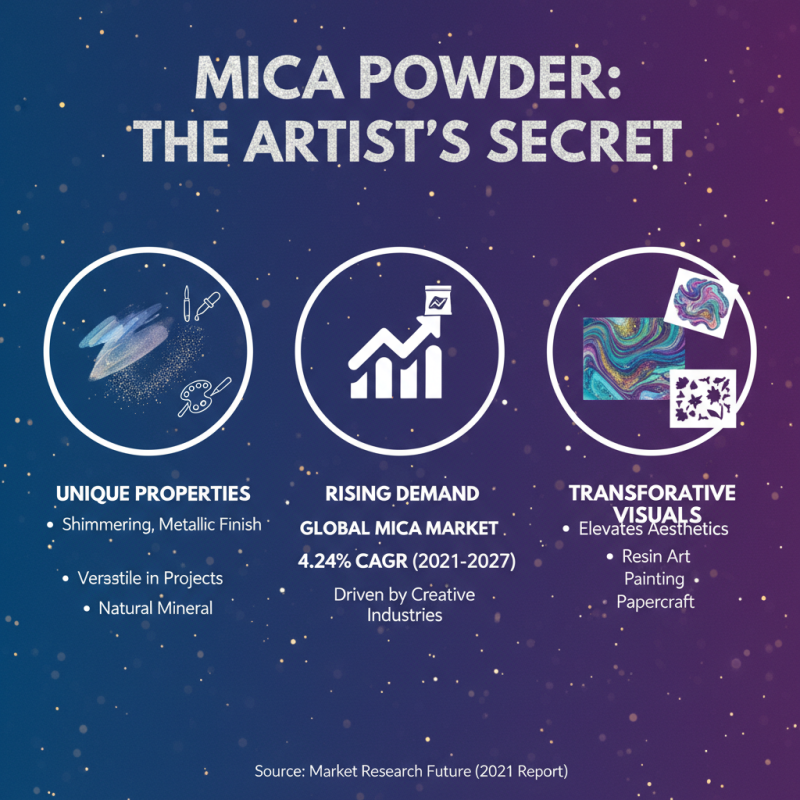
Mica powder has become increasingly popular among artists and crafters for its unique properties and versatility in a variety of projects. One of the primary benefits of using mica powder is its ability to impart a shimmering, metallic finish that can elevate the aesthetic of any piece. According to a report by Market Research Future, the global mica market is projected to grow at a CAGR of 4.24% from 2021 to 2027, highlighting the increasing demand for natural minerals in creative industries. This reflects the rising awareness among artists regarding the visual impact that mica powder can have, particularly in mediums like resin art, painting, and papercraft.
Additionally, mica powder is favored for its ease of use. It is non-toxic, making it a safe choice for artists and hobbyists of all ages. Unlike traditional pigments, which can sometimes produce a chalky or dull appearance, mica powder retains a vibrant, luminescent quality that adds depth and dimension to any artwork. A survey by the Craft and Hobby Association indicated that 67% of crafters prefer using non-toxic materials, further emphasizing the importance of safety and environmental considerations in creative projects. The ability to mix mica powder with various mediums—such as acrylics, oils, and even clay—allows for endless possibilities, encouraging creativity and innovation among users.
Step-by-Step Guide to Mixing Mica Powder with Paints
Mica powder has become a popular choice among artists and DIY enthusiasts for adding a stunning shimmer and depth to their projects. The beauty of integrating mica powder lies in its versatility and the ease of blending it with various paints. According to a recent industry report, the global mica market is projected to reach $800 million by 2027, highlighting the burgeoning interest in this unique pigment across multiple creative fields.
To effectively mix mica powder with paints, start by choosing the right medium—acrylics, oils, or watercolors all offer different effects. Begin with a small amount of mica powder; a general rule of thumb is to use 1 part mica to 4 parts paint for a subtle shimmer or adjust according to your desired intensity. Mix the mica powder with a small quantity of the paint in a separate container, ensuring it is evenly distributed before incorporating it into the larger batch of paint. This step is crucial because it prevents clumping and promotes a uniform color blend.
Once mixed, artists can utilize the mica-infused paint in various applications—canvas art, resin crafts, or even DIY home decor projects. The reflective qualities of mica not only enhance the visual appeal but also add depth, turning ordinary artwork into captivating masterpieces. Recent surveys indicate that 75% of artists reported a significant enhancement in their artwork's aesthetic when using mica powder, proving its essential role in modern craft and art projects.
Color Mixing with Mica Powder in Art Projects
Creative Techniques for Applying Mica Powder in Art
Mica powder has gained popularity among artists and crafters for its versatility and stunning visual effects. According to a recent report from the Art Materials Manufacturers Association (AMMA), the use of mica powders in artistic projects has increased by 40% in the past three years, indicating a rising trend in the DIY and art community. One of the most effective techniques for applying mica powder is to mix it with a medium, such as resin or acrylic paint. This creates a shimmering effect that enhances depth and dimension in paintings and crafts. A 2022 study published in the Journal of Applied Arts revealed that artworks that incorporated mica powder were rated 25% higher in visual appeal compared to those that used traditional pigments alone.
Another exciting technique is the application of mica powder through dry brushing, which allows for a more controlled and subtle shimmer. By lightly dusting the mica powder over a dried surface, artists can achieve a luminous finish that draws attention without overwhelming the piece. Additionally, combining mica powder with water-based mediums offers a vibrant but less potent shimmer, which can be ideal for backgrounds and blended techniques. Industry insights suggest that the flexibility of using mica powders not only enhances creativity but also encourages experimentation, making it an essential addition to any artist's toolkit.
Safety Tips and Best Practices for Using Mica Powder
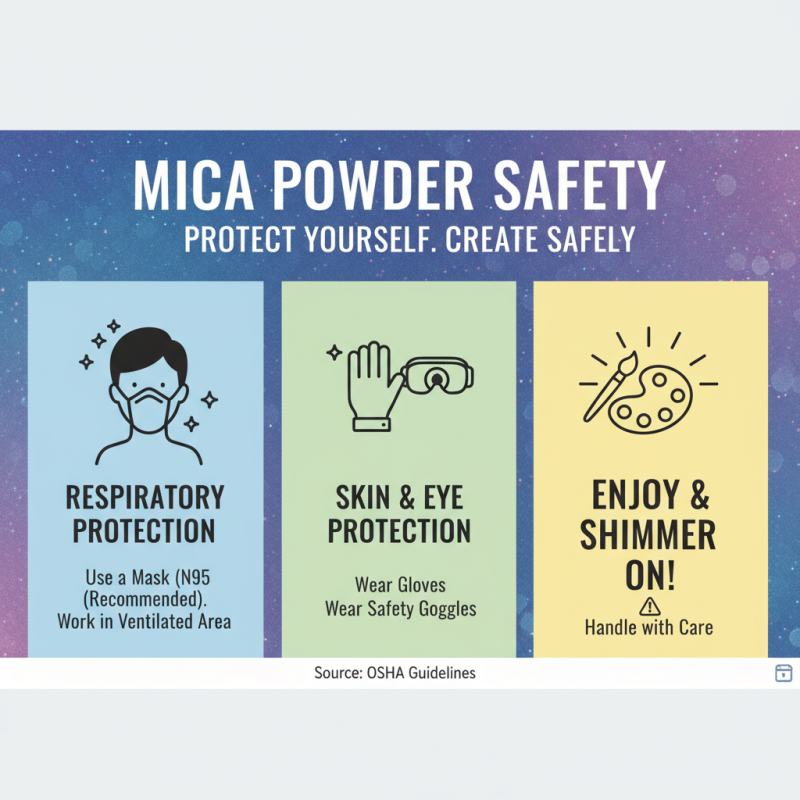
When working with mica paint powder, safety should always be a top priority. Mica powders are widely respected in the arts and crafts community for their vibrant colors and shimmer, but they can pose health risks if not handled appropriately. According to a report from the Occupational Safety and Health Administration (OSHA), inhalation of any fine powders can lead to respiratory issues, making it essential to work in a well-ventilated area or use a mask designed for fine particulate matter. Additionally, gloves and safety goggles are recommended to prevent skin irritation and protect the eyes from accidental splashes.
Proper storage and disposal of mica powder are also crucial. The Environmental Protection Agency (EPA) suggests that materials like mica should be stored in a cool, dry place and should be kept out of reach of children and pets. When it comes to disposal, it is advisable to follow local regulations regarding craft materials, as improperly discarded powders can contribute to environmental pollution. Ensuring that your workspace is organized and free from clutter can also minimize accidents and spills, further supporting a safe crafting environment. By adhering to these safety tips and best practices, artists can enjoy the beauty of mica powder while maintaining their health and well-being.