Exploring Mica Color Powder in China Top Trends and Applications?
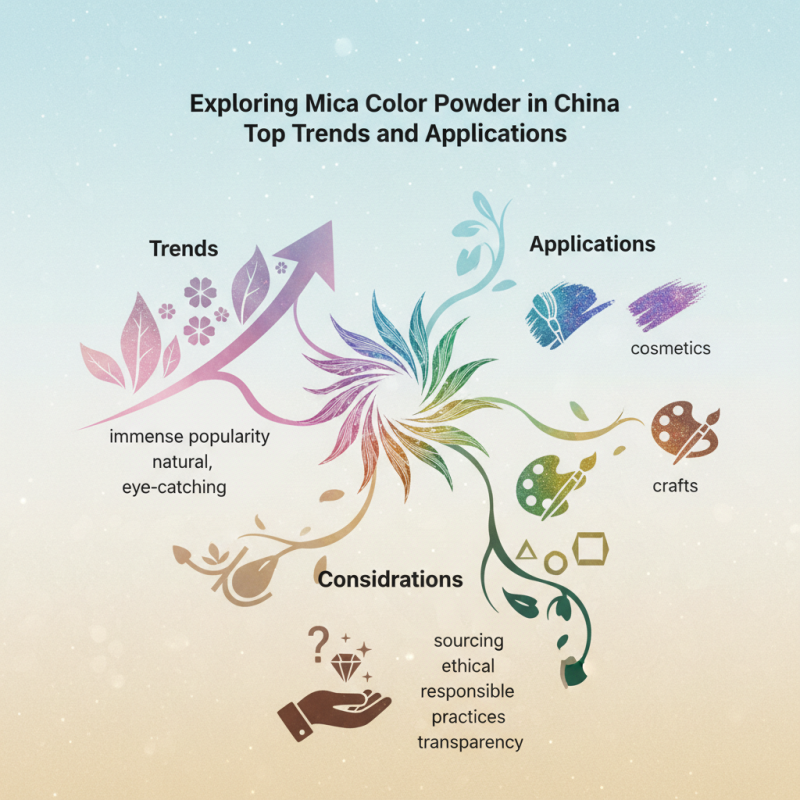
Mica Color Powder has gained immense popularity in recent years, particularly in China. This vibrant product is celebrated for its versatility and aesthetic appeal. Its applications span various industries, including cosmetics, arts, and crafts. Mica Color Powder can enhance not only the beauty of makeup but also the allure of art materials.
The rise of Mica Color Powder in China reflects broader trends in consumer preferences. People are increasingly drawn to natural and eye-catching products. The fine shimmer and rich hues attract attention and drive trends. However, the sourcing and production of mica must be approached cautiously. Ethical concerns about mining practices arise.
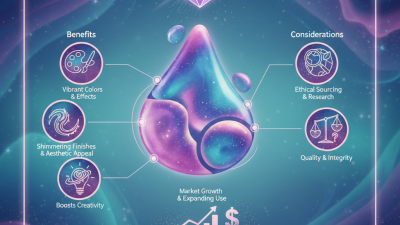
As Mica Color Powder continues to evolve, it presents both opportunities and challenges. Brands can capitalize on its popularity, but they must prioritize responsible practices. Transparency in sourcing is essential. The market landscape is changing rapidly, and staying informed is crucial for success. This exploration delves into the trends, applications, and considerations in the world of Mica Color Powder.
Overview of Mica Color Powder: Definition and Composition
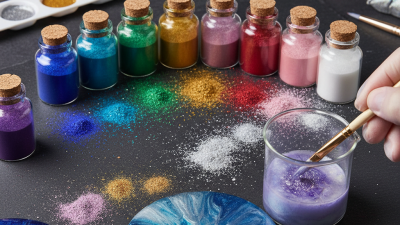
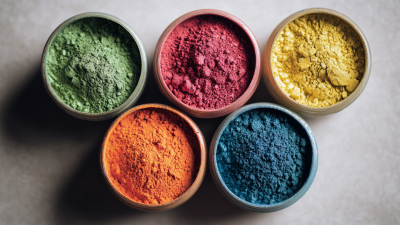
Mica color powder is a naturally occurring mineral derived from mica rock. Composed primarily of silicate minerals, it exhibits a shimmering effect that enhances various applications. It is commonly ground into fine particles for ease of use. The color range is vast, from earthy tones to vibrant shades. This versatility makes mica essential in cosmetics and art.
In the cosmetic industry, mica color powder adds depth to makeup products. It provides a luminous finish to foundations and eyeshadows. However, sourcing mica responsibly poses challenges. Many mica mines operate under unsafe conditions. Ethical sourcing remains critical for companies adopting mica in their formulations.
In art, mica powder adds a unique quality to paints and crafts. Artists appreciate its reflective properties that create dynamic visual effects. Yet, it’s important for creators to understand the implications of using this mineral. Mica’s environmental impact is still a topic of debate. Careful consideration of its origin is necessary for sustainable practices.
Current Trends in Mica Color Powder Usage Across Various Industries
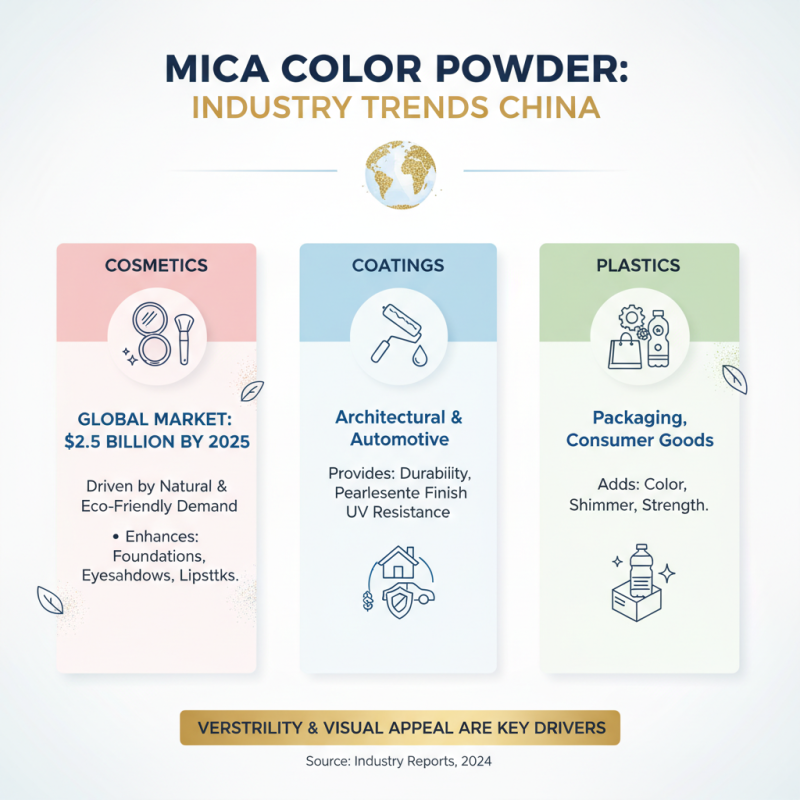
Mica color powder is gaining traction across various industries in China. This mineral's versatility plays a significant role in sectors such as cosmetics, coatings, and plastics. In cosmetics, the global mica market is projected to reach USD 2.5 billion by 2025, according to industry reports. This growth is driven by the rising demand for natural and eco-friendly makeup products. Mica's shimmering effect enhances the visual appeal of foundations, eyeshadows, and other makeup items.
In the coatings sector, mica color powder is valued for its durability and aesthetic qualities. The coatings market is expected to grow at a CAGR of 4.5% until 2027. Users appreciate mica’s ability to improve gloss and corrosion resistance. However, challenges such as sourcing ethical mica remain critical. Some manufacturers struggle with transparency in their supply chains.
The plastic industry is also witnessing increased mica usage. Mica can reinforce plastic products and improve their appearance. Research shows that incorporating mica can enhance the thermal stability of polymers. Yet, the industry faces ongoing scrutiny regarding the environmental impact of mica mining. Efforts to address these concerns are paramount as consumers become more conscious of sustainability issues.
Key Applications of Mica Color Powder in Cosmetics and Personal Care
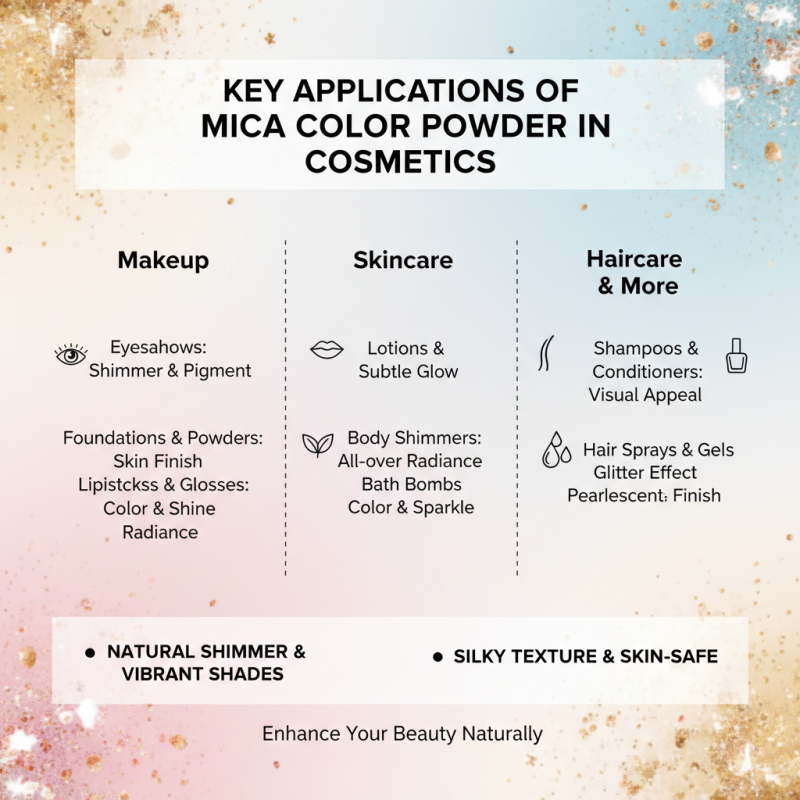
Mica color powder has become increasingly popular in the cosmetics and personal care industry. Its natural shimmer and vibrant shades make it a favorite among formulators and consumers alike. Mica adds not only color but also a silky texture to products. This natural mineral enhances appearance while being safe for use on the skin.
In makeup, mica is often found in foundations, eyeshadows, and highlighters. Its light-reflecting properties create a radiant glow. Many consumers prefer natural ingredients, and mica fits this trend. However, sourcing mica responsibly can be a challenge. The industry must continue to prioritize ethical practices in mica extraction.
**Tip:** Always check for product labels that indicate sustainable sourcing practices. Transparency matters in the beauty industry.
Skincare products also benefit from mica’s unique qualities. It can deliver a subtle tint to creams and lotions, making them visually appealing. Additionally, mica can help improve the texture of formulations. Yet, not all consumers understand the sourcing issues surrounding mica. Educating the public about ethical mica use is essential for the industry’s future.
**Tip:** Look for brands that support fair trade mica initiatives. Supporting those brands encourages responsible practices.
Sustainability and Environmental Impact of Mica Mining in China
Mica mining in China raises significant sustainability concerns. The extraction process often leads to environmental degradation. According to a report by the International Council on Mining and Metals, nearly 30% of mica resources in China are extracted using methods that severely damage local ecosystems. This unsustainable mining practice affects air and water quality in surrounding communities.
Furthermore, there are serious implications for worker health. A study by the World Health Organization estimates that mica miners are exposed to harmful dust. This exposure can lead to respiratory diseases and other health issues. The absence of safety measures exacerbates these risks.
Despite these challenges, there's a growing trend towards sustainable mica production. Some companies are adopting practices that ensure fair labor and minimal ecological impact. However, the transition is slow. Only 15% of mica producers in China have implemented comprehensive sustainability measures. Stakeholders must work together to address these issues more effectively.
Exploring Mica Color Powder in China Top Trends and Applications - Sustainability and Environmental Impact of Mica Mining in China
| Dimension |
Data |
| Top Application Areas |
Cosmetics, Paints, Plastics, Automotive |
| Annual Mica Production in China (Metric Tons) |
10,000 |
| Environmental Impact Rating (1-10) |
7 |
| Main Mining States |
Henan, Jiangxi, and Fujian |
| Sustainable Practices (% Adoption) |
30% |
| Regulatory Compliance (% of Mines) |
50% |
| Main Export Markets |
USA, Europe, Japan |
Future Innovations and Market Potential for Mica Color Powder in China
Mica color powder holds significant potential in China’s rapidly evolving market. Leading industry reports suggest that the mica market is projected to reach $2 billion by 2025. This growth is fueled by various sectors, including cosmetics and paints. With the rise of eco-friendly products, mica’s natural versatility is becoming increasingly appealing.
Future innovations may include enhanced formulations that improve color stability and application efficiency. New mining technologies could also reduce environmental impact, making mica more sustainable. According to recent data, demand from the cosmetic industry alone is set to grow by 8% annually. Companies are focusing on superior quality and sourcing transparency to meet consumer expectations.
Tip: When choosing mica color powder, consider its origin and processing methods. Ensuring ethical sourcing can enhance brand trust.
Emerging trends show an integration of mica powder into wellness products, with applications in skincare. However, challenges remain around supply chain sustainability and quality control. Industry players must navigate these complexities to fully capitalize on mica's market potential.
Tip: Regularly review market insights to adapt to changing consumer preferences. Staying informed is key to leveraging new opportunities in this sector.