10 Essential Tips for Using Mica Powder in Your Crafts and Projects
Mica powder has gained significant traction in the crafting community due to its versatility and aesthetic appeal. According to a recent report by Smith & Co. Research, the global mica powder market is expected to reach $1.5 billion by 2026, showcasing a compound annual growth rate (CAGR) of 5.9%. This increasing demand underscores the importance of understanding the effective use of mica powder in various arts and crafts projects. Experts like Dr. Emily Carter, a leading authority on mineral-based pigments, emphasize that "the right techniques in using mica powder can unlock a myriad of creative possibilities, allowing crafters to elevate their projects from simple to stunning."
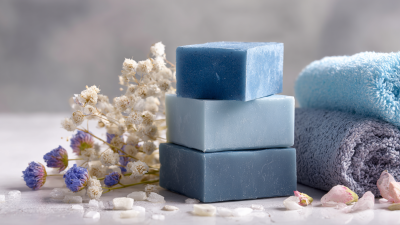
When incorporated correctly, mica powder can enhance the color, texture, and overall vibrancy of a wide range of materials, from resin art to handmade soaps. Dr. Carter also notes the importance of experimenting with different mixing techniques and ratios, as this can greatly affect the final outcome of the craft. As creators continue to explore the potential of this glimmering mineral, understanding the core principles behind its use becomes essential to achieving professional-quality results. In the following sections, we will delve into ten essential tips that can help both novice and experienced crafters make the most of mica powder in their artistic endeavors.

Understanding Mica Powder: Types and Characteristics
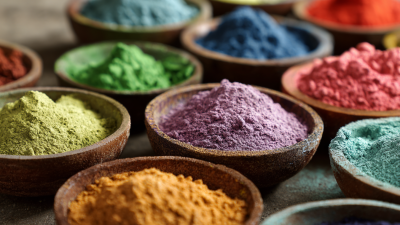
Mica powder is a versatile and popular additive in the crafting world, known for its shimmering qualities and vibrant color diversity. It is primarily derived from natural mica minerals and is available in a variety of forms, including synthetic and natural mica, each boasting unique characteristics suited for different applications. According to the "Market Research Future" report, the global mica market was valued at approximately $658 million in 2020 and is projected to grow significantly as demand for natural craft materials continues to rise. The superior light-reflective properties of mica powder make it a favored choice for artists and DIY enthusiasts seeking to create eye-catching effects in resin, soap, painting, and more.
Understanding the types of mica powder is crucial for achieving desired results in crafting projects. Natural mica typically offers a more muted, earthy tone, while synthetic mica can provide a wider spectrum of colors and improved durability. Additionally, particle size plays a vital role; finer mica powders yield a smooth sheen, ideal for cosmetics and intricate crafts, while coarser powders lend a more textured finish that can enhance arts and crafts projects. As outlined in the "Industrial Minerals" report, the growing interest in sustainable and eco-friendly materials further drives the use of natural mica, given its biodegradable nature versus synthetic alternatives. By recognizing these distinctions, crafters can make informed choices that elevate their creations and align with sustainability trends within the industry.
10 Essential Tips for Using Mica Powder in Your Crafts and Projects
| Tip |
Description |
Best Uses |
Type of Mica Powder |
| 1. Choose the Right Type |
Different types of mica powder have unique properties, so select one that fits your project needs. |
Soap-making, Cosmetics |
Natural, Synthetic |
| 2. Use in Proper Proportions |
Determine the right ratio of mica powder to base material for optimal color payoff. |
Candles, Resin |
Pearlescent, Matte |
| 3. Mix Thoroughly |
Ensure mica powder is well-blended to avoid clumps and achieve a uniform color. |
Paints, Crafts |
Opaque, Translucent |
| 4. Add to Hot Liquids |
For certain applications, adding mica powder to hot liquids can enhance color blending. |
Soap-making, Candles |
Color-shifting, Classic |
| 5. Experiment with Mixing |
Try combining different colors to create unique shades. |
Art, Crafts |
Custom Mixes |
| 6. Store Properly |
Keep mica powder in a cool, dry place to maintain its quality. |
General storage |
All Types |
| 7. Use with a Binding Agent |
Enhance adhesion by mixing with a binding agent for certain applications. |
Cosmetics, Paints |
Quartz, Synthetic |
| 8. Test Colors Before Committing |
Always test your color mixes on a small sample before a full project. |
All craft applications |
Sample Colors |
| 9. Use in Appropriate Lighting |
View your projects in natural light to accurately assess colors. |
Final checks |
N/A |
| 10. Safety First |
Always wear a mask and gloves when handling fine powders to avoid respiratory issues. |
General handling |
All Types |
Selecting the Right Mica Powder for Your Craft Projects
When selecting the right mica powder for your craft projects, it’s essential to consider the color and sheen you want to achieve. Mica powders come in a wide array of colors, from vibrant hues to subtle pastels. Examining color swatches in natural light can help you gauge how the powder will appear when mixed with your medium. Additionally, the sheen of mica can vary, ranging from matte to high-shimmer finishes. Opt for a powder that aligns with the desired effect in your crafts – whether that be a soft glow or a striking sparkle.
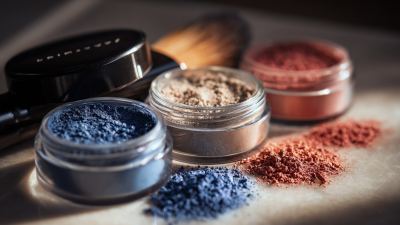
Another crucial factor is the particle size of the mica powder. Finer powders create a smooth, even finish that’s perfect for mixing into paints, resins, or glazes, while coarser powders may lend a textured element to your projects. Always consider the intended use; for example, if you are creating cosmetic products, a finer powder is typically preferred for a soft and luxurious application. Additionally, when crafting items like candles or soap, be sure to verify that the mica powder is suitable for those specific applications to ensure safety and effectiveness.
Essential Tools and Materials for Working with Mica Powder
When working with mica powder, having the right tools and materials is essential to achieve the best results in your crafts and projects. Start with a good quality mixing bowl and spatula that are suitable for your medium—be it resin, paint, or cosmetics. These tools will help you blend the mica powder evenly, ensuring a beautiful finish. Additionally, consider investing in a set of measuring spoons or a digital scale for precise measurements, as even small variations can affect the outcome of your project.
Another important aspect is the use of suitable containers to store your mica powder and any mixed materials. Airtight containers will keep your mica fresh and prevent moisture from clumping, which can affect its application. Furthermore, protective gear such as gloves and masks is advisable, especially when working with fine powders, to avoid inhalation and skin irritation. Having a well-organized workspace with all your tools easily accessible contributes to a more enjoyable crafting experience, allowing you to focus on your creativity without distractions.
Usage of Mica Powder in Various Craft Projects
Techniques for Mixing and Applying Mica Powder Effectively
When it comes to using mica powder in your crafts, effective mixing and application techniques can significantly enhance your projects. To start, it's important to achieve a smooth consistency when mixing mica powder with your medium, whether it be resin, paint, or clay. Begin by adding a small amount of mica powder to your chosen medium and mix thoroughly until you no longer see clumps. Using a whisk or a small spatula can help break up any potential clumps and ensure an even distribution of color and shimmer. For liquid mediums, adding mica powder gradually while stirring can help you gauge the intensity of the color more accurately.
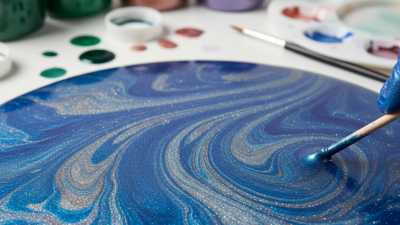
When applying mica powder, consider using different tools and techniques to achieve varied effects. A dry brush technique can create a subtle shimmer on painted surfaces, while a sponge applicator can offer a more intense and vibrant application. If you're using mica in resin, pour the mixture slowly into molds to avoid creating bubbles, allowing the powder to settle beautifully within the cast. Remember that the lighting in which you're working can affect how the mica appears in your project, so it’s beneficial to test your mixtures in different light conditions before finalizing your design.
Safety Tips for Using Mica Powder in Crafts and Projects
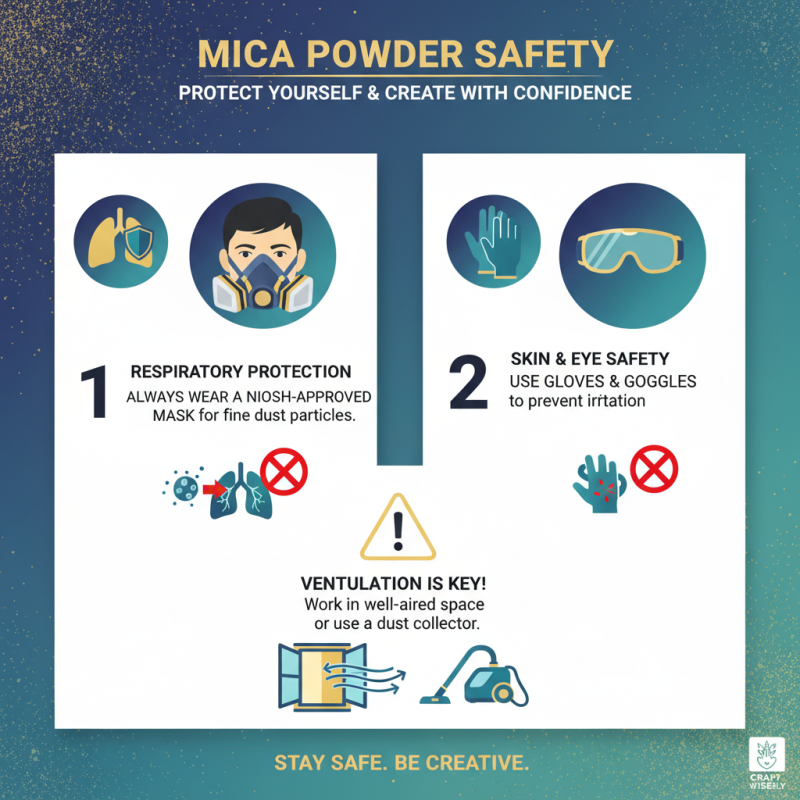
When working with mica powder in your crafts and projects, safety should always be your top priority. Mica is a naturally occurring mineral, but it can pose risks through inhalation and skin irritation if proper precautions are not taken. According to a report by the American Chemical Society, inhalation of fine particulate matter can lead to respiratory issues. Therefore, wearing a mask specifically designed for fine dust particles is essential when handling mica powder.
Additionally, it's crucial to use gloves to prevent skin contact, as some individuals may experience sensitivity or allergic reactions. In fact, a survey conducted by the Craft and Hobby Association found that nearly 10% of crafters reported skin irritation from various craft materials. To enhance safety, always work in a well-ventilated area to reduce the accumulation of dust and ensure that any spills are cleaned immediately to avoid slips or unnecessary exposure.
Tip: When mixing mica powder with mediums, consider doing so in a contained space, such as a box or a tub. This minimizes the likelihood of airborne particles and allows for easier cleanup. Further, consider using a damp cloth for cleaning surfaces, as this will help avoid stirring up dust. With these safety measures in place, you can enjoy the vibrant world of mica powder while keeping your crafting space safe and enjoyable.