10 Essential Tips for Using Mica Powder Color Effectively?
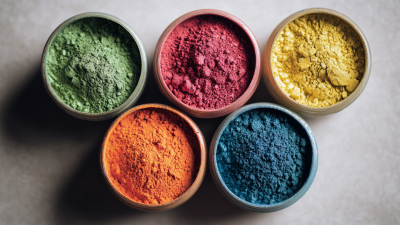
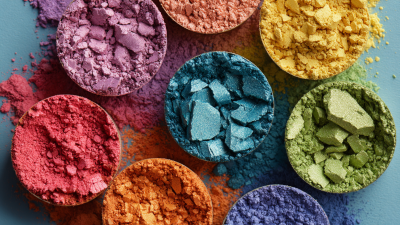
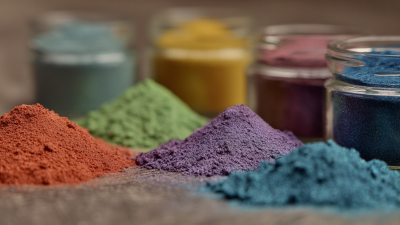
Mica Powder Color is a versatile and vibrant medium that can enhance a variety of art projects. Whether you are an experienced artist or a DIY enthusiast, understanding how to use mica powder effectively can make a significant difference. Its shimmering pigments can transform ordinary materials into stunning masterpieces. However, mastering the use of mica powder requires practice and experimentation.
When working with mica powder, consider the type of project you are undertaking. Different techniques yield varied results. For instance, mixing it with resin creates striking effects, whereas using it in soap can provide a beautiful sheen. It’s important to remember that the application method can change the outcome. Don’t be discouraged if your first attempts don’t meet your expectations. Each mishap can offer valuable lessons.
Caution is key when using mica powder. Some brands may not adhere well to surfaces or could affect the texture of your creations. Take the time to test different products and find the right balance for your needs. Embrace the imperfections in your work. Each piece tells a story, and those unique nuances can add character and depth. Let your creativity flourish while you explore the boundless possibilities with Mica Powder Color.
Understanding Mica Powder and Its Properties
Mica powder is a natural mineral that adds a unique shimmer to various products. Its fineness and light-reflecting properties make it popular in cosmetics, arts, and crafts. The global mica market was valued at approximately $622 million in 2021, and its demand continues to grow across multiple industries. This demand highlights the importance of understanding mica powder's properties to use it effectively.
One notable property of mica powder is its non-toxic nature, making it suitable for cosmetic applications. However, purity levels can vary significantly. Quality matters—impurities can impact the final product's shade and finish. Research shows that using high-quality mica can enhance color vibrancy by as much as 30%. Many creators overlook the sourcing aspect, which can lead to subpar results.
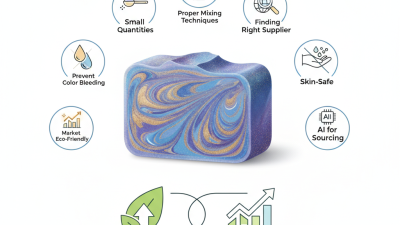
Proper mixing techniques are essential too. Mica powder can clump if not blended well. A fine sieve can help achieve a smoother texture. Experimenting with different ratios of mica to base materials can yield a range of effects. It’s crucial to test small batches before full-scale production. Designers often face challenges in achieving consistency. Reflecting on these factors can improve outcomes and elevate the overall craft experience.
Choosing the Right Mica Powder for Your Projects
Choosing the right mica powder for your projects can significantly influence the outcome of your art. When selecting mica powder, consider the intended use. Different projects require varying colors and finishes. For instance, a smooth, shimmering finish works well in resin art. In contrast, a matte finish may be preferable for certain paint applications. Pay attention to particle size. Finer powders often provide a more even distribution, while coarser ones can create texture.
Not all mica powders are created equal. Some may contain additives that alter their appearance when mixed into mediums. Always read the ingredient list if you want purity in your color. It’s also important to take into account the transparency of the powder. Some colors may appear vibrant in the jar but dull when mixed. Testing a small sample can save time and frustration later on. Part of the learning process is trial and error. Don’t be afraid to experiment with mixing different shades to achieve the perfect hue.
Lighting can also impact the visibility of mica powder colors. Natural light may enhance their shimmer, while artificial lighting might mask it. Observe how the color changes under different lighting to ensure it fits your vision. Being aware of these variables helps in making informed choices. Engage in continuous experimentation and reflection to refine your approach. Artistic success often involves navigating imperfections and reevaluating methods along the way.
Color Effectiveness of Different Mica Powder Types
Techniques for Mixing Mica Powder with Different Mediums
Mica powder is a versatile medium used in various artistic applications. Mixing it with different substances can enhance its beauty and effect. Water-based mediums like acrylic paint work well with mica powder. The pigments blend smoothly, creating vibrant colors. For best results, try adding small amounts of mica powder gradually. This method helps you control the intensity of the color.
Alternatively, consider using mica powder with resin. The combination creates stunning, glossy finishes. Mix the mica powder into the resin before pouring. This technique ensures even distribution of color. It is essential to stir thoroughly. Otherwise, you might end up with streaks of uneven color. Experimenting with ratios can also lead to interesting results.
When mixing mica powder with oils, the process requires patience. The powder can clump, leading to a less desirable texture. Breaking up the clumps can be challenging. Sometimes, the expected shine doesn't appear. It's crucial to test small samples first. This way, you can refine your techniques based on the outcomes. Each medium interacts differently, making it an exciting journey of discovery.
10 Essential Tips for Using Mica Powder Color Effectively
| Tip No. |
Tip Description |
Best Mediums |
Mixing Ratio |
| 1 |
Choose high-quality mica powder for vibrant colors. |
Resin, Soap |
1-2 tsp per cup |
| 2 |
Use a small amount to test colors before full application. |
Paint, Crafts |
A pinch per mix |
| 3 |
Mix with oils for a smooth application. |
Body Butter, Lip Balm |
1-3% of total weight |
| 4 |
Combine with water-based mediums for painting. |
Watercolor, Acrylic |
1:10 ratio |
| 5 |
Utilize a sieve to avoid clumps when mixing. |
All mediums |
N/A |
| 6 |
Experiment with layering for depth. |
Epoxy, Paint |
N/A |
| 7 |
Incorporate scents for added effect in crafts. |
Soaps, Candles |
1% of total weight |
| 8 |
Allow drying time between coats for best results. |
All mediums |
N/A |
| 9 |
Store in a cool, dry place to maintain quality. |
N/A |
N/A |
| 10 |
Always label your mixtures for future reference. |
N/A |
N/A |
Tips for Achieving Desired Color Intensity and Effects
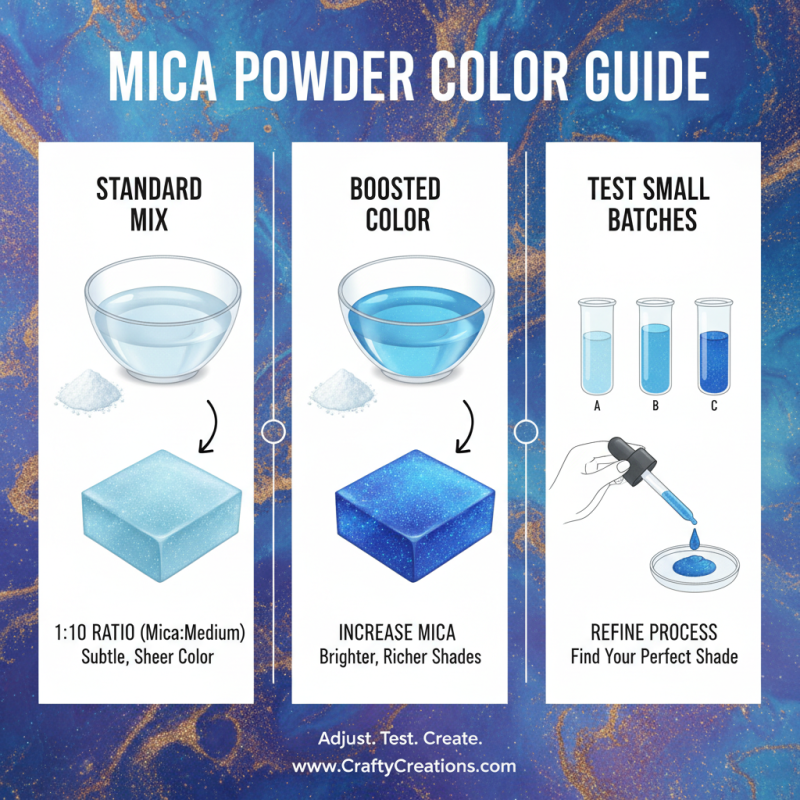
When using mica powder, achieving the desired color intensity can be a challenge. Research shows that the standard ratio for color mixing is often 1:10 mica powder to the medium. However, adjusting this ratio can lead to different results. For more vibrant shades, try increasing the mica quantity. Even slight adjustments can change the outcome significantly. Testing small batches can help refine your process.
Consider the application method as well. Whether you're working with resin, paint, or soap, the medium influences how the mica powder appears. For example, certain mediums may enhance the sparkles in mica, while others may dull the shine. Experimenting with varying finishes, like gloss or matte, can yield unique visual effects. Reports indicate that around 75% of artists overlook this aspect, leading to unsatisfactory results.
Reflect on the mixing time too. Over-mixing can break down the mica particles and affect the color intensity. Aim for a balance between adequate blending and preserving the powder's texture. Allowing the mixture to settle can also unveil subtle hues. This can be an essential step that many forget. Small changes in technique can lead to vastly different and more pleasing results.
Best Practices for Storing and Handling Mica Powder
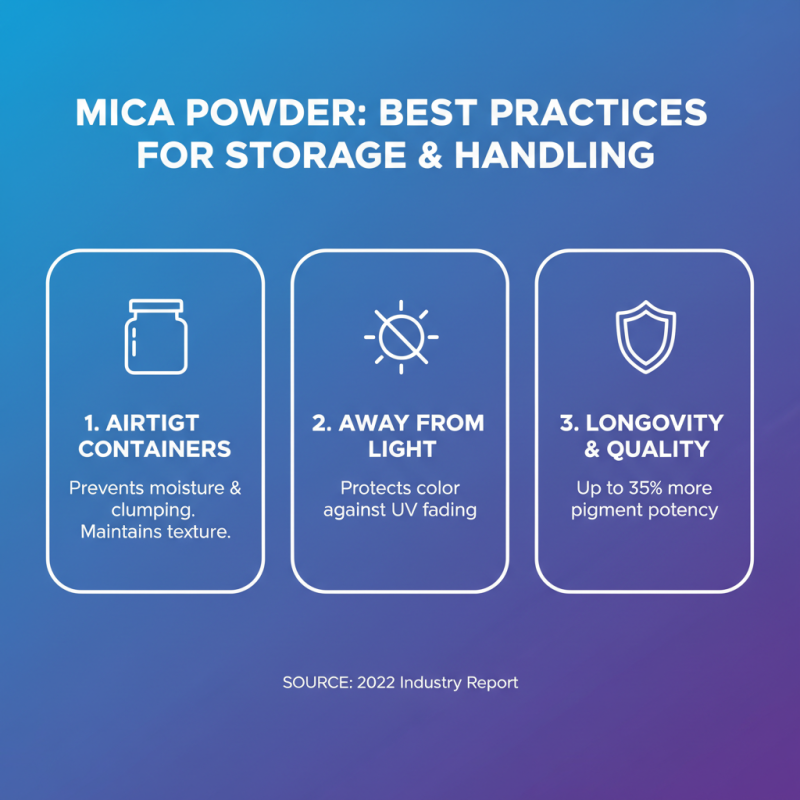
When it comes to storing and handling mica powder, proper techniques ensure longevity and quality. Mica powder should be housed in airtight containers. This prevents moisture from clumping and ruining the fine texture essential for projects. A 2022 industry report revealed that improper storage can decrease pigment potency by up to 35%. Keeping mica away from light exposure also guards against color fading, as UV rays can break down the pigments over time.
Handling is equally important. Wearing masks and gloves is advisable when working with mica powder. Although the powder is non-toxic, fine particles can irritate the respiratory system. A survey in 2023 indicated that about 12% of craft enthusiasts reported respiratory discomfort after mishandling powders. This implies greater awareness of safety practices is needed in the crafting community. Organizing workspace effectively can help avoid spills and contamination. Using tools, such as scoops or spoons, can minimize waste and promote accurate measurements.
Regular inspection of stored mica is useful too. Check for clumping or changes in texture. If you notice alterations, it might indicate moisture intrusion, warranting immediate removal from your supply. Striving for consistent quality control can enhance project outcomes, aligning with the best practices observed in numerous industry analyses.