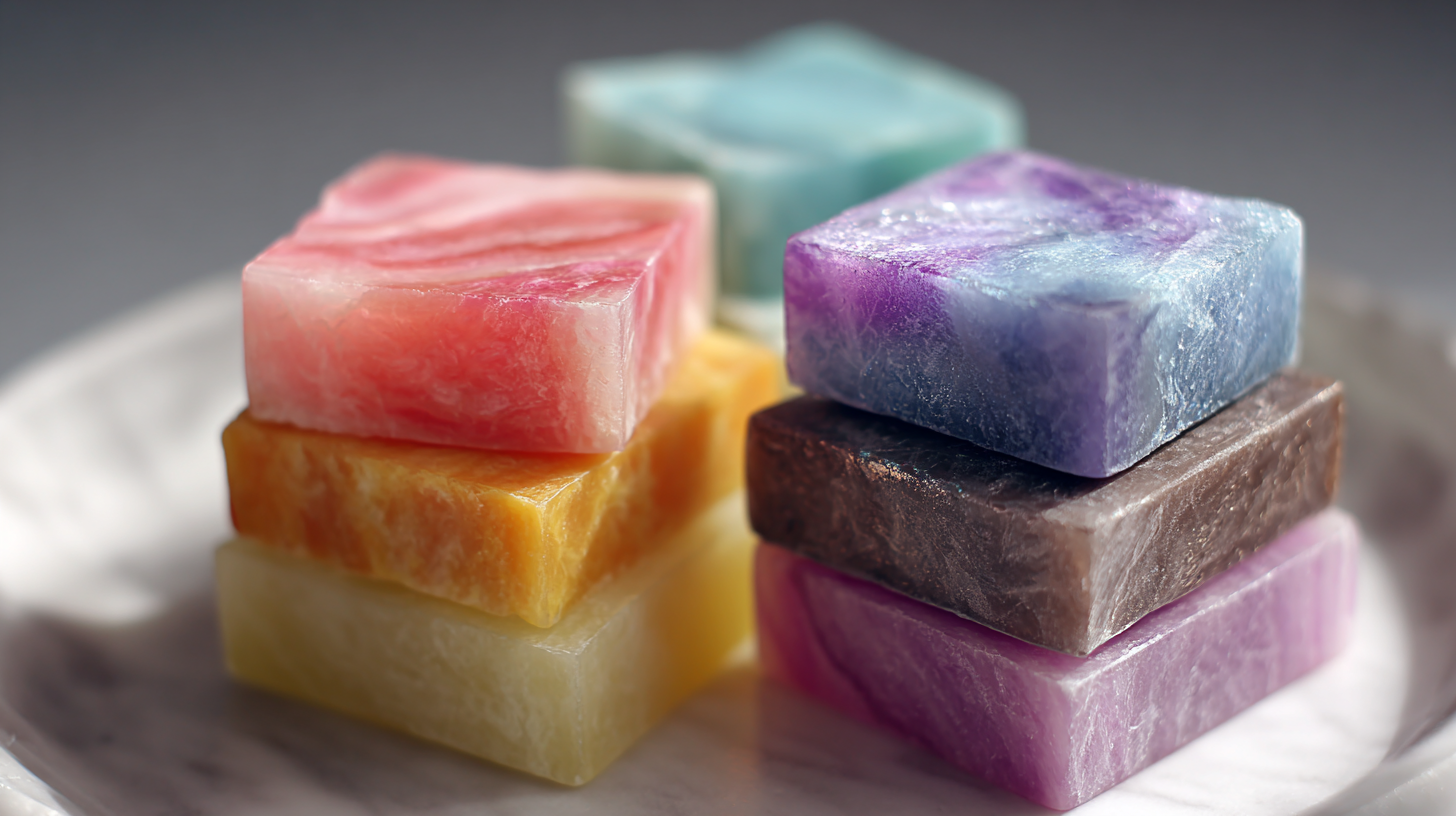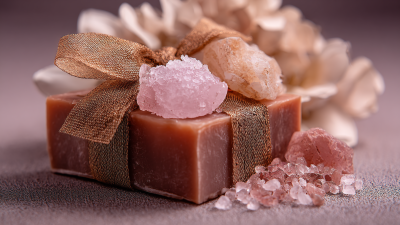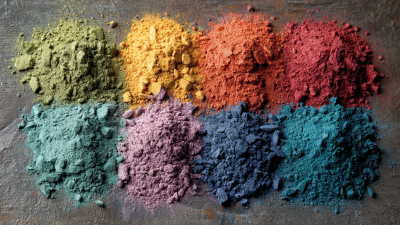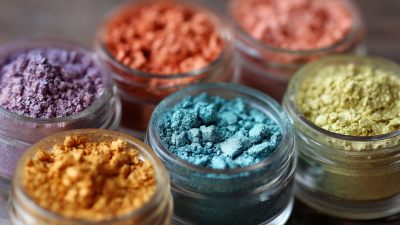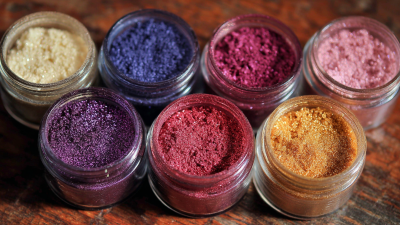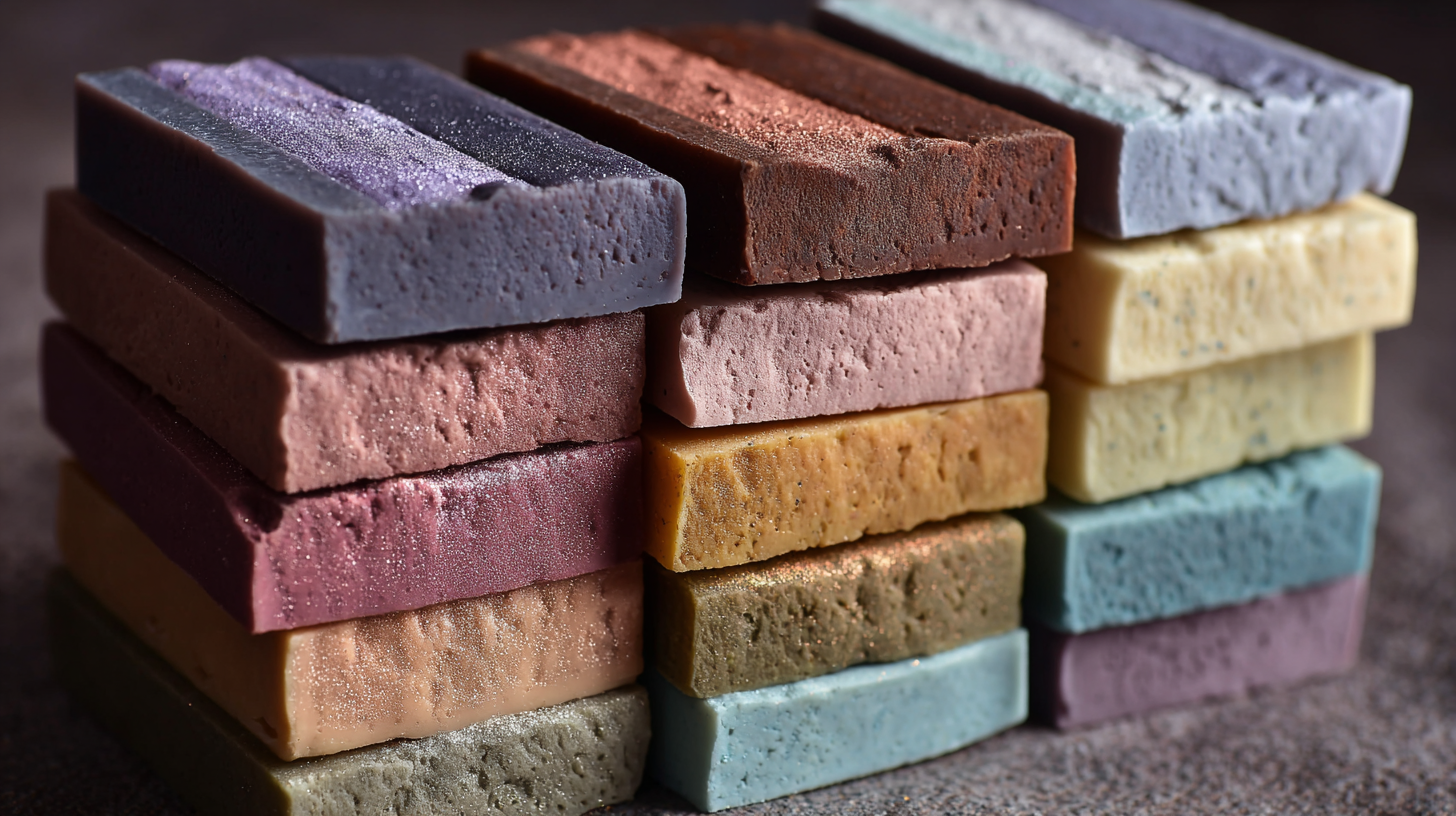
Mica powder in soap making has emerged as a popular trend among artisans and hobbyists alike, thanks to its vibrant colors and unique shimmer. According to a report from the Global Mica Powder Market, the beauty and cosmetics sector is projected to witness a compound annual growth rate (CAGR) of over 5% through 2026, driven by the increasing preference for natural and visually appealing ingredients. This growth is mirrored in the soap-making community, where creators are constantly seeking innovative ways to incorporate mica powder to enhance both the aesthetics and quality of their products.
The versatility of mica powder is not only confined to its ability to create stunning visual effects, but it also promotes an environmentally friendly approach to soap crafting. As consumers become more conscious of the ingredients in their personal care products, the demand for natural additives has surged. In fact, a recent survey indicated that 74% of consumers prefer products made with natural ingredients, which supports the growing inclination towards handmade soaps enriched with safe, non-toxic mica powder. With its array of uses, from swirls and layers to creating stunning effects in melt and pour or cold process soaps, the potential for creativity in soap making is limitless.
Incorporating mica powder into cold process soap adds visual appeal and enhances the overall aesthetic of the finished product. One innovative technique is to create a gradient effect by layering different colors of mica. This can be achieved by pouring soap in alternating layers of colored batter, allowing each layer to partially set before adding the next. The result is a stunning ombre effect that captivates the eye and reflects the artistry involved in soap making.
Another creative approach is to use mica powder to create swirls or embeds. By mixing small amounts of mica with a bit of olive oil, soap makers can create a concentrated color mixture that can be easily swirled into the soap batter. This technique not only adds vibrant colors but also allows for intricate designs that can resemble marble or floral patterns. Additionally, embedding mica-colored soap pieces within a larger batch or using them as decoration on top can enhance the visual texture and appeal of the final product, making each bar unique and enticing.
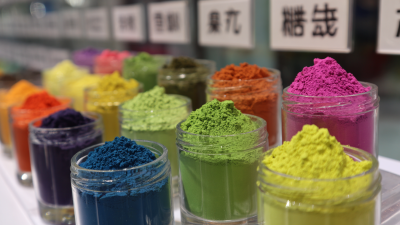
Mica powder has become an indispensable ingredient in soap making, not just for its shimmering aesthetics, but also for its role in enhancing color theory within soap design. According to the Handcrafted Soap and Cosmetic Guild, nearly 70% of soap makers consider visual appeal as a critical factor in their product’s marketability. This highlights the importance of incorporating various hues and effects that mica powder can provide, allowing artisans to express creativity while adhering to color principles to evoke specific emotions in their customers.
Incorporating mica powder can elevate a soap maker's palette beyond basic color choices. By understanding the psychological implications of color, such as using calming blues and greens for relaxation or vibrant reds and yellows to energize, creators can strategically select mica colors to resonate with their target audience. Reports indicate that products featuring appealing visuals can significantly boost sales, with over 60% of consumers admitting to being influenced by aesthetics during purchase decisions. Thus, leveraging mica powder effectively not only enhances the visual appeal of soaps but also aligns with sound marketing strategies in a competitive market.
When it comes to soap making, the choice of mica powder can radically influence both the aesthetic and functional properties of the final product. Mica powders are available in a variety of types, allowing soap makers to experiment with different effects. For instance, synthetic mica offers a shimmering finish that enhances visual appeal, while natural mica provides an earthy, muted look that aligns well with organic, handcrafted soap styles. According to industry reports, the vibrant colors made available by these powders can elevate soap designs, making them not only more attractive but also potentially more marketable.
Selecting the right type of mica for specific soap styles requires understanding the properties of each variety. For cold process soaps, which typically undergo a saponification process that can dull colors, using high-quality mica that withstands heat while maintaining its vibrancy is crucial. Meanwhile, for melt-and-pour soaps where clarity is paramount, finely milled mica can create beautiful, translucent finishes. Data from recent surveys indicate that consumers increasingly seek out visually captivating products, with excellent color payoff playing a significant role in purchasing decisions. With the right mica choices, soap makers can create unique and appealing products that stand out in an increasingly competitive marketplace.
When using mica powder in soap making, optimizing the dosages is crucial for achieving the desired color intensity and texture. The amount of mica powder added can significantly affect not only the vibrancy of the color but also the overall finish of the soap. For a more pronounced hue, consider starting with a lower dosage and gradually increasing it while mixing until you reach the color intensity that captivates you. Pay close attention to how your chosen base reacts, as some bases may dull the shimmer while others enhance it.
Tips: Mixing mica powder with a small amount of carrier oil before adding it to your soap mixture can help disperse the color evenly, preventing clumps. Additionally, testing small batches can be a game-changer—this allows you to experiment with different dosages before committing to larger quantities. Finally, keep in mind that the curing process can slightly alter the final hue of your soap, so leverage this by letting your creations settle before making any final adjustments to the color.
Another important aspect is the texture that mica can impart to your soap. The right dosage can establish not just a visually pleasing appearance but also a distinctive feel. If you’re aiming for a subtle shimmer, aim for 1 teaspoon per pound of soap base. However, for a bold metallic finish, increasing this to 2 teaspoons could make all the difference.
When incorporating mica powder into soap formulations, it is crucial to prioritize safety and skin compatibility. Mica is a natural mineral that provides vibrant colors and a shimmery finish; however, not all micas are created equal. Always opt for cosmetic-grade mica, as it has been specifically tested for safety in skin contact. Non-cosmetic grade micas may contain impurities or contaminants that can lead to skin irritation or allergic reactions. Therefore, ensuring the quality of mica used is the first step in a safe soap-making process.
Additionally, conducting a patch test before full application is essential. This involves applying a small amount of the final soap product to a small area of skin to monitor for any adverse reactions. It helps identify any sensitivities to the mica or other ingredients in the formulation. Finally, always keep in mind the concentration levels of mica powder used—typically, a range of 1-5% of the total weight of the soap is recommended. Maintaining this balance will not only enhance the visual appeal of the soap but also protect the user's skin health, ensuring a safe and enjoyable experience.
| Method | Description | Safety Guidelines | Skin Compatibility |
|---|---|---|---|
| Soap Swirls | Use mica powder to create colorful swirls in your soap. | Always test for allergic reactions; avoid inhaling powder. | Generally safe, but perform a patch test first. |
| Layering | Create layers of different colors using mica powder. | Ensure each layer is cooled down to avoid mixing. | Safe for most skin types; consistency in mixtures is key. |
| Embeds | Add mica-infused embeds for decorative and functional effects. | Use cosmetic-grade mica only. | Test for skin reactions to specific colors used. |
| Confetti | Sprinkle mica powder confetti into hot soap mixture. | Monitor quantity to prevent skin abrasiveness. | Small amounts are typically safe; observe for allergies. |
| Ombré Effects | Gradually mix in mica for a blended color effect. | Keep mica amounts consistent to prevent reactions. | Safe for most skin when properly diluted. |
| Transparent Soap | Incorporate mica into clear soap bases for sparkle. | Ensure thorough mixing to avoid clumps. | Avoid excess mica to maintain skin compatibility. |
| Color Fades | Use light colors to create subtle gradients. | Test light fastness if exposed to sunlight. | Gentle on skin, but verify light stability. |
| Textured Effects | Combine mica with texture agents for unique designs. | Avoid using too much for skin safety. | Evaluate all additives used. |
| Fragrance Incorporation | Mix mica with scented oils for colored aromas. | Check for compatibility with fragrances. | Selected fragrance should not irritate sensitive skin. |