Top 10 Tips for Choosing the Best Mica Powder Color for Your Projects
When it comes to enhancing the beauty and aesthetic appeal of various projects, selecting the right Mica Powder Color is crucial. Industry expert Dr. Emily Hartman, a renowned color strategist, once stated, "The right shade can transform a simple creation into a masterpiece." With an array of colors available, the process of choosing the perfect Mica Powder Color can often feel daunting for both beginners and seasoned crafters alike.

In this guide, we will explore the top ten tips that will help you navigate the vibrant world of Mica Powder Colors. From understanding the properties of different shades to considering the final application, each tip is designed to empower you in making informed decisions. By honing in on the intricacies of color selection, you can bring your artistic visions to life with confidence and flair. Whether you're incorporating Mica Powder Colors into resin, soap making, or art projects, the right knowledge will ensure your creations not only stand out but also resonate with your intended audience.
Understanding Mica Powder: Definition and Uses in Various Projects
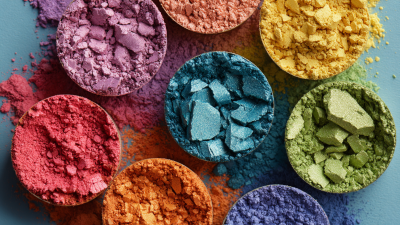
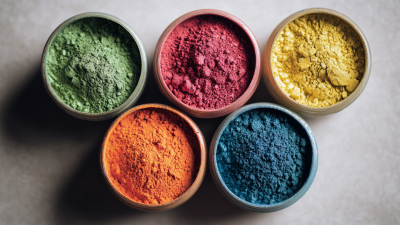
Mica powder is a versatile mineral used widely across various projects, ranging from cosmetics to art and crafts. Composed of natural mineral sheets, mica powder provides a shimmering effect due to its reflective properties, making it a popular choice for adding color and depth. According to a report from the Global Mica Powder Market, the demand for mica powder has surged, with the cosmetic segment alone expected to grow by 7.5% annually. This growth is attributed to the rising preference for natural and sustainable products.
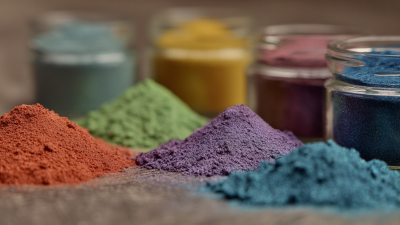
When selecting mica powder colors for your projects, it's essential to consider how they will interact with other materials. For example, some colors may appear vibrant in the packaging but become muted when mixed with resin or paint. Tip: Test a small sample before committing to larger quantities. Additionally, take note of the mica particle size; finer particles create a more subtle shimmer, while larger particles offer a more pronounced sparkle. Another useful tip is to explore color combinations—mixing various shades can yield unique effects that set your project apart, enhancing both its visual appeal and creativity.
Top 10 Mica Powder Colors for Creative Projects
This chart illustrates the popularity of different mica powder colors based on project applications. The data reflects the preferences among crafters and DIY enthusiasts.
Factors to Consider When Selecting Mica Powder Colors for Your Needs

When selecting mica powder colors for your projects, there are several important factors to consider.
First, think about the purpose of your project. Are you aiming for a high-gloss finish that evokes elegance, similar to current vehicle color trends?
This choice can greatly influence how your final product will be perceived. Additionally, you'll want to ensure that the mica powder you choose is suited
for the medium you are working with, whether it be resin, soap, or cosmetics.
Another tip is to consider the psychological impact of colors. Consumers often gravitate towards colors that convey stability
and sophistication, as highlighted in recent surveys about color preferences. This can play a significant role in your project’s appeal. When navigating
through the multitude of mica powder options, evaluate hues that resonate with your intended emotional response.
Experimenting with different mica shades can also lead to unexpected and beautiful results, so don't hesitate to mix and match until you find the perfect
combination for your needs. Be mindful of the finish, as shine and translucence can affect the overall look.
Color Theory Basics: Choosing Mica Powder Shades that Complement Each Other
When selecting mica powder shades for your projects, understanding color theory is essential. This fundamental knowledge can significantly enhance the aesthetic appeal of your creations. Start by familiarizing yourself with the color wheel, which illustrates the relationships between primary, secondary, and tertiary colors. Complementary colors, those opposite each other on the wheel, create striking contrasts. For example, pairing a vibrant blue mica powder with an orange can add visual interest and dynamism to your work.
Additionally, consider the emotional impact of colors. Warm tones, such as reds and yellows, evoke feelings of excitement and energy, while cool tones like greens and blues promote calmness and serenity. Choosing shades that resonate with the intended mood or theme of your project will make it more compelling. Furthermore, using analogous colors—those next to each other on the color wheel—can create a harmonious, cohesive look. By leveraging these color theory principles, you can select mica powder that not only looks beautiful but also enhances the overall message and effectiveness of your artistic endeavors.
Testing Mica Powder Colors: Techniques for Visualizing Final Results
When it comes to choosing the perfect mica powder colors for your projects, visualizing the final results is essential. One effective method is to create a color test strip. Mix small amounts of the mica powder with your base medium—whether it's resin, paint, or soap—and spread it out on a piece of white cardstock. This allows you to see how the color interacts with the medium and gives you a good sense of its opacity and shimmer. Additionally, consider how the color appears under different lighting conditions by testing it in both natural and artificial light, as mica can look different based on the environment.
Incorporating tips for selecting the best mica powders can enhance your overall experience. For instance, always start with a small amount of mica and gradually add more to achieve your desired shade. This method prevents waste and allows for better control over the final color. It’s also advisable to consider the color wheel; understanding complementary and contrasting colors can help create stunning visuals in your projects. Finally, don’t hesitate to experiment with mixing different mica powders to create unique, custom shades that reflect your personal style.
Top 10 Tips for Choosing the Best Mica Powder Color for Your Projects
| Tip # |
Tip Description |
Recommended Technique |
Expected Outcome |
| 1 |
Consider the Base Color |
Compare mica colors on a sample base |
Enhances color accuracy |
| 2 |
Test under Different Lighting |
Use natural and artificial light |
Shows true color representation |
| 3 |
Mix Colors for Custom Shades |
Experiment with small batches |
Unique and personalized color |
| 4 |
Consider the Project Type |
Match mica to project needs |
Optimized results based on using context |
| 5 |
Check for Quality and Purity |
Review product specifications |
Assured color consistency |
| 6 |
Think About Transparency |
Test transparent vs opaque mica |
Control effect in final appearance |
| 7 |
Consider Particle Size |
Explore fine vs coarse micas |
Influences texture effects |
| 8 |
Use a Color Wheel |
Utilize color theory |
Better color matching and harmony |
| 9 |
Visualize on a Mockup |
Create samples with selected colors |
Preview final look |
| 10 |
Seek Feedback from Others |
Share samples with peers |
Gain different perspectives |
Sources for High-Quality Mica Powder: Where to Shop and What to Look For
When searching for high-quality mica powder, it's essential to understand where to shop and what factors to consider. The global mica market is projected to reach approximately $1.65 billion by 2025, according to a report by Grand View Research. This growth indicates a burgeoning interest in mica powder across various industries, including cosmetics, arts and crafts, and construction. Therefore, finding a reputable supplier becomes crucial.
Look for shops that provide transparency about their sourcing practices. Quality suppliers often share detailed information about their mica’s origin and manufacturing process, ensuring that their products are ethically sourced.
Another important factor is the purity and color quality of the mica powder. When evaluating products, it’s beneficial to consult data from industry standards, such as the ASTM-D3296 for cosmetic applications. High-grade mica powders should have minimal impurities and should be free of artificial colorants. Additionally, reading customer reviews and obtaining samples can provide insights into the color vibrancy and blending capabilities of the mica powder. Brands that have been in the market for over a decade often have established trust and quality assurance, making them safer choices for your projects.