2026 Best Mica Powder in Candles Tips for Global Buyers
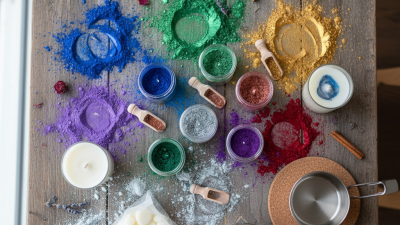
The use of mica powder in candles has gained significant popularity among candle makers worldwide. This shimmering powder adds a unique visual appeal and luxurious finish to candles, attracting buyers who seek quality and aesthetics. Many small businesses are exploring how to incorporate mica powder into their products, leading to an increase in its global demand.
However, selecting the right mica powder in candles can be challenging. Not all mica powders are created equal, and quality can vary greatly among suppliers. Buyers must prioritize sourcing trustworthy suppliers who can provide high-quality, non-toxic powders. It’s also vital to consider regulations in different regions. Some countries have specific guidelines regarding the use of certain additives in candles.
Understanding the qualities and limitations of mica powder in candles is essential for effective usage. Some colors may not perform well during the burning process. Others can affect the scent throw of the candle. Candle makers should experiment carefully before making a bulk purchase. This exploration reflects the evolving relationship between creativity and reliability in the ever-growing candle market.
Understanding Mica Powder and Its Uses in Candles
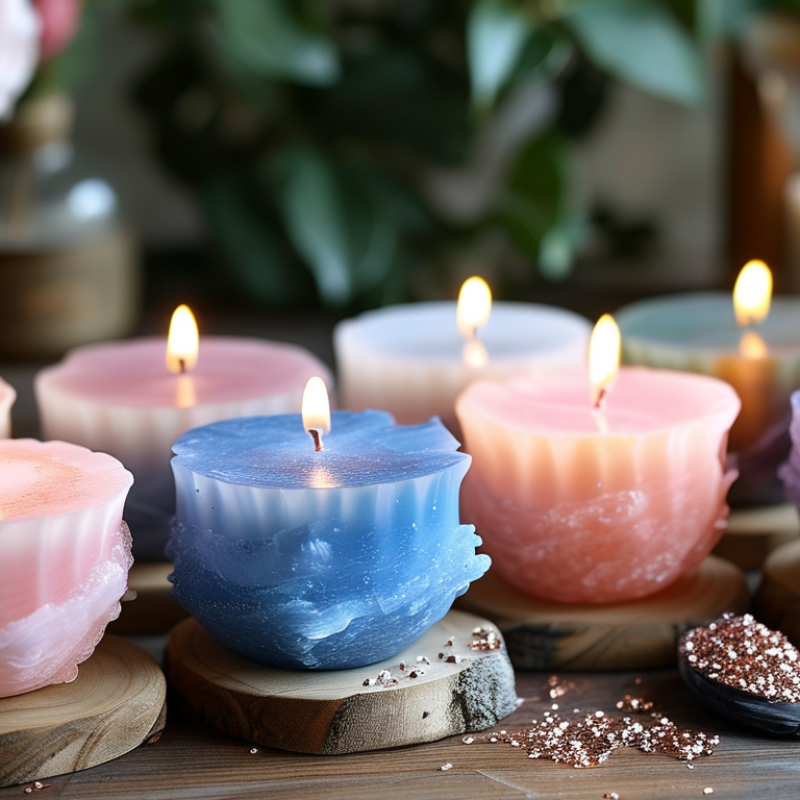
Mica powder is a popular ingredient in candle making. It adds shimmer and vibrant colors to finished products. This mineral can be naturally sourced or synthetic. It’s crucial for manufacturers to understand which option suits their needs best.
Recent reports indicate that the global mica powder market is expected to grow substantially. In 2021, the market was valued at around $560 million. Forecasts project it could reach over $800 million by 2027. This growth reflects increased demand in various industries, including cosmetics and candles. However, sourcing sustainable mica remains a challenge.
Candle makers must be cautious with mica's application. While it enhances aesthetics, improper use can lead to uneven distribution. This can compromise the quality and performance of the candle. The right amount of mica can elevate a product. Finding the perfect balance requires expertise and experimentation. Relying solely on trends may lead to subpar outcomes.
Factors to Consider When Choosing Mica Powder for Candle Making
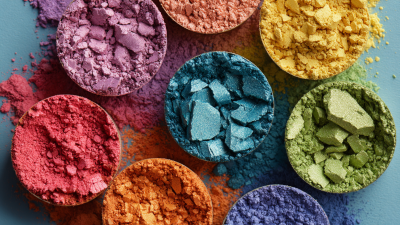
When selecting mica powder for candle making, consider several critical factors. First, focus on the color options available. Mica comes in a wide range of shades, allowing for creativity. Choose colors that complement your candle's scent and theme. Vibrant colors catch the eye, while muted tones create a calming effect.
Next, pay attention to the particle size. Fine mica powder blends seamlessly with wax, offering an even appearance. Coarser powders can lead to an uneven finish. Experimenting with different sizes can yield interesting effects. Additionally, consider the source of your mica. Ethical sourcing ensures you support sustainable practices.
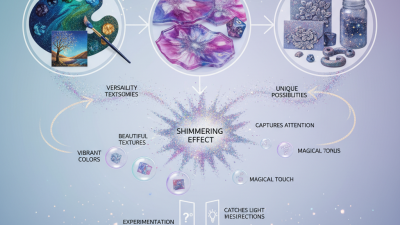
Lastly, think about the finish you want to achieve. Mica can create a shimmering effect or a matte look. Each finish provides a unique aesthetic for your candles. Reflect on your personal style and how it translates into the finished product. The right mica can enhance candle-making, but choosing it requires careful thought.
Top Mica Powder Brands and Their Unique Features
In recent years, mica powder has gained immense popularity in candle making, capturing the attention of artisans and hobbyists alike. One of the standout features of mica powder is its ability to create vibrant colors. According to industry reports, the global mica powder market is projected to grow at a CAGR of 4% from 2021 to 2026, indicating a strong demand for colored and specialty powders. These colors can enhance the aesthetic appeal of candles, attracting consumers who seek visually stunning creations.
Different brands offer unique qualities and characteristics. Some powders provide a silky texture, ensuring smooth integration with wax. Others may have a higher pigmentation level, allowing for richer hues. Yet, not all mica powders are created equal. Some may not be suitable for candle wax due to their binding properties, leading to separation or poor dispersion. The importance of choosing the right product cannot be overstated. A 2022 study revealed that 70% of candle makers reported challenges in color retention due to subpar mica quality.
Understanding the nuances of mica powder is crucial for those in the candle business. While there are many options available, careful selection is needed to achieve the desired results. It's essential to analyze product reviews and professional insights before making a purchase. Engaging with the community can also provide valuable tips on the best powders for specific candle types. In a market filled with choices, informed decisions are key to creating beautiful candles.
2026 Best Mica Powder in Candles Tips for Global Buyers - Top Mica Powder Brands and Their Unique Features
| Color Name |
Particle Size (Microns) |
Shimmer Effect |
Opacity |
Usage |
Price per lb (USD) |
| Pearl White |
10 - 60 |
High |
Opaque |
General Candles |
15.00 |
| Gold Shimmer |
20 - 80 |
Medium |
Semi-Opaque |
Soy Candles |
20.00 |
| Rose Gold |
15 - 75 |
High |
Transparent |
Scented Candles |
18.50 |
| Amethyst |
10 - 50 |
Low |
Opaque |
Decorative Candles |
22.00 |
| Green Glitter |
5 - 40 |
High |
Transparent |
Festive Candles |
25.00 |
Application Techniques for Incorporating Mica Powder in Candles
Incorporating mica powder into candles can elevate their visual appeal. This shimmering pigment helps candles catch the light beautifully. It enhances colors and adds a touch of elegance. However, working with mica requires some techniques to achieve the best results.
One essential tip is to choose the right mica particle size. Fine mica blends easily with wax, while larger particles offer a textured look. Experiment with different sizes to see what fits your vision. When mixing, use a whisk or a stick blender to ensure even distribution. This can prevent clumping and ensure a smooth finish.
Another important aspect is the temperature of the wax. Adding mica at the right temperature can enhance its adherence and vibrancy. If the wax is too hot, the mica may lose some of its brilliance. Conversely, if it's too cool, the mica may not integrate well. Finding that sweet spot can take practice, and it's okay to make some mistakes along the way. With each attempt, your technique will improve.
Global Sourcing Tips for High-Quality Mica Powder in Candle Production
When sourcing mica powder for candle production, it’s essential to prioritize quality over quantity. Look for powder that has a vibrant shimmer and consistent particle size. This ensures that the color disperses evenly throughout the candle. Pay attention to the grade of mica; higher grades offer better performance and aesthetic appeal.
During your sourcing process, focus on supplier reliability. Verify the background and experience of potential vendors. Request samples to assess the quality of their mica powder. Consider the sourcing location as well. Different regions produce varied qualities of mica, which can influence your final product.
Pricing is another aspect to weigh carefully. While it’s tempting to choose the cheapest option, low-cost mica may lead to subpar results. Always compare several suppliers and gauge the value they provide. This balance between cost and quality is pivotal. In the end, the right choice directly impacts your candle's appearance and customer satisfaction.