Top 10 Benefits of Using Synthetic Mica in Your Products?
In the ever-evolving world of cosmetics and personal care, "Synthetic Mica" has emerged as a game changer. Dr. Laura Chen, an industry expert at Mica Innovations, states, "Synthetic Mica not only enhances aesthetics but also ensures safety." This perspective sheds light on the growing preference for synthetic over natural mica.
Synthetic Mica offers a host of benefits that can elevate product quality. Unlike natural mica, it is free from impurities and inconsistent quality. This consistency is critical for manufacturers who prioritize reliability in their formulations. Moreover, with the increasing push for sustainability, synthetic mica presents a more ethical option. It reduces the environmental impact associated with mining natural mica.
Nevertheless, the shift toward synthetic mica is not without its challenges. Some consumers may still prefer natural ingredients, raising questions about authenticity. Education is essential to bridge this gap. As the industry evolves, understanding synthetic mica’s advantages will help stakeholders make informed decisions.

Advantages of Synthetic Mica Over Natural Mica
Synthetic mica offers unique benefits that set it apart from natural mica. One significant advantage is consistency. Synthetic mica is produced in controlled environments, ensuring uniformity in color and texture. This reliability makes it a popular choice for cosmetic formulations and other applications. Additionally, synthetic mica is free from impurities found in natural sources. This purity is crucial for sensitive skin formulations, reducing the risk of adverse reactions.
When considering synthetic mica, you should think about its environmental impact. While natural mica mining can lead to ecological damage, synthetic mica is often more sustainable. This option minimizes the destructive practices associated with traditional mining. It's essential to weigh these benefits against your product's needs carefully.
Tip: When selecting synthetic mica, always ask for samples. Testing different grades can help you find the perfect match for your products.
Another point to reflect on is sourcing. Ensure that your supplier adheres to ethical practices in synthetic mica production. Transparency in the supply chain fosters trust and strengthens brand integrity.
Tip: Look for suppliers that provide detailed information about their production processes. This diligence can protect your brand's reputation.
Durability and Stability of Synthetic Mica in Various Applications
Synthetic mica has gained attention due to its durability and stability in various applications. This remarkable mineral offers a lightweight alternative to traditional mica, making it ideal for use in cosmetics, coatings, and plastics. Unlike natural mica, synthetic mica has a consistent particle size, which enhances product performance and reliability.
In cosmetic formulations, synthetic mica provides a soft texture and luminous finish. It does not react easily with other ingredients, reducing the risk of adverse reactions. Additionally, it is resistant to degradation over time, ensuring the product maintains its quality throughout its shelf life. This stability is crucial for manufacturers who prioritize consumer safety and satisfaction.
In coatings and plastics, synthetic mica demonstrates exceptional durability. It enhances scratch resistance and prevents fading, even under harsh environmental conditions. However, some manufacturers may overlook the meticulous sourcing and processing involved in producing synthetic mica. Proper attention to these factors ensures a high-quality end product. Balancing these aspects reflects a commitment to sustainability and ethical sourcing, fostering trust among consumers.
Top 10 Benefits of Using Synthetic Mica in Your Products
The following chart illustrates the top benefits of using synthetic mica across various applications, highlighting its advantages in terms of durability and stability.
Environmental Impact of Synthetic Mica Production
The environmental impact of synthetic mica production is a pressing concern. Unlike natural mica, which is often mined using destructive methods, synthetic mica is created in controlled environments. This minimizes land degradation and reduces the risk of habitat destruction. In addition, synthetic mica eliminates the issues associated with child labor that are prevalent in some mica mining regions.
Producing synthetic mica requires less water compared to traditional mining. This conservation is essential in areas facing water scarcity. The process is also more energy-efficient, as it can leverage renewable energy sources. However, challenges remain. The manufacturing process still generates some waste and emissions that need careful management. As we advance, recycling and improving production technology are areas that require further attention. Ensuring sustainability in synthetic mica production calls for ongoing innovation and commitment.
Cost-Effectiveness of Using Synthetic Mica in Manufacturing
Synthetic mica is gaining attention in manufacturing due to its cost-effectiveness. Unlike natural mica, synthetic mica can be produced more consistently and efficiently. This leads to reduced production costs for manufacturers. Furthermore, synthetic mica is free from the impurities often found in natural sources, providing uniform quality which can streamline production processes.
Using synthetic mica can also lower shipping costs. Its light weight means lower transportation expenses. Local sourcing of synthetic mica can minimize import taxes and reduce carbon footprints. Manufacturers benefit from a streamlined supply chain, enhancing overall profitability.
However, there are challenges to consider. Transitioning from natural to synthetic mica requires an investment in new technologies. Some manufacturers may hesitate to change established processes. There is ongoing debate about performance differences between the two types. As the market evolves, staying informed about these aspects will be crucial.
Versatility of Synthetic Mica in Cosmetic and Industrial Products
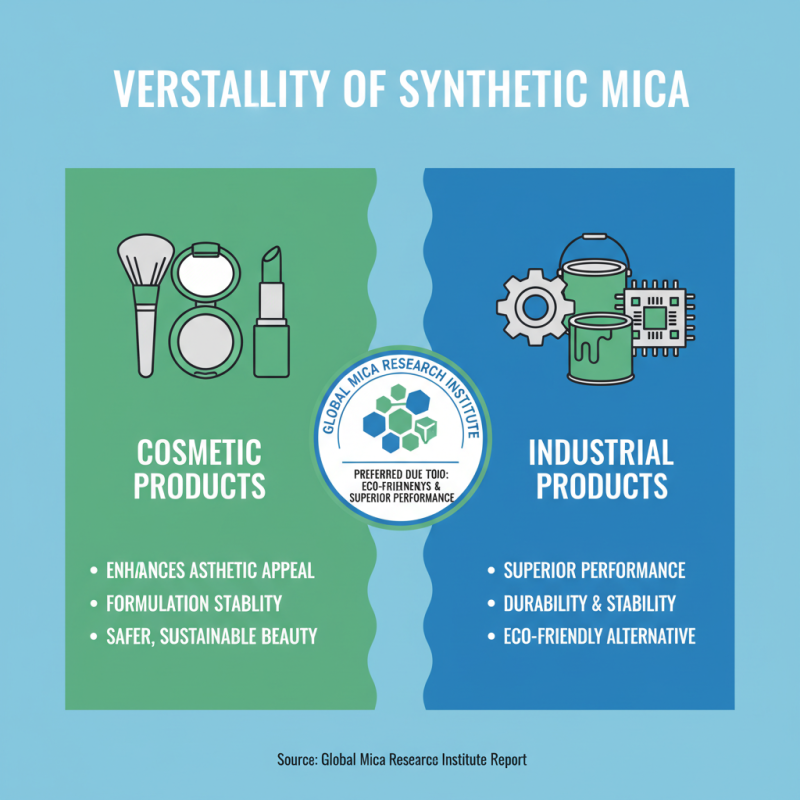
Synthetic mica offers incredible versatility in both cosmetic and industrial products. Its unique properties enhance formulation stability and aesthetic appeal. According to a recent report from the Global Mica Research Institute, synthetic mica is increasingly preferred due to its eco-friendliness and superior performance compared to natural mica. This shift reflects a growing demand for safer, more sustainable ingredients in beauty products, especially as consumers become more environmentally conscious.
One of the standout benefits of synthetic mica is its exceptional light-reflecting qualities. It creates a dazzling shimmer in cosmetics without the risk of contamination from natural sources. Beauty brands are leveraging this to create captivating highlighters and eyeshadows. Additionally, synthetic mica is free from heavy metals, making it a safer choice. Yet, some manufacturers may still grapple with sourcing reliable synthetic particles that meet stringent quality standards.
When incorporating synthetic mica, consider these tips: prioritize purity to avoid skin irritation and ensure consistent results. Experiment with particle sizes, as they can significantly impact the finish of your product. Lastly, regularly review supplier practices to maintain eco-friendly standards. This attention to detail can enhance product integrity while promoting sustainability.