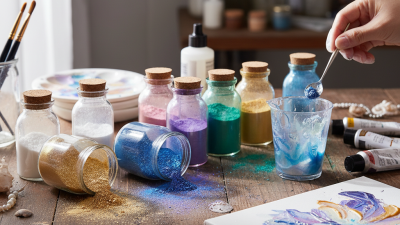
Pearl Pigment Powder is a versatile material, ideal for various crafts and art projects. Its shimmering effect adds a unique touch to any creation. This powder is made from natural sources, giving it a stunning luster that captivates the eye. Artists and crafters have much to gain from using this magical product.
Incorporating Pearl Pigment Powder into your work can elevate simple projects into extraordinary pieces. A small amount can transform paint, resin, or clay, offering endless creative possibilities. However, achieving the perfect balance can be a challenge. Overuse may lead to an overwhelming effect, losing the beauty of subtlety.
Experimentation is key when using Pearl Pigment Powder. You might find joy in unexpected results, even if they don’t go as planned. The process can sometimes feel frustrating. Yet, each attempt teaches valuable lessons about proportion and application. Embrace the imperfections; they often lead to the most unique and personal touches in art.
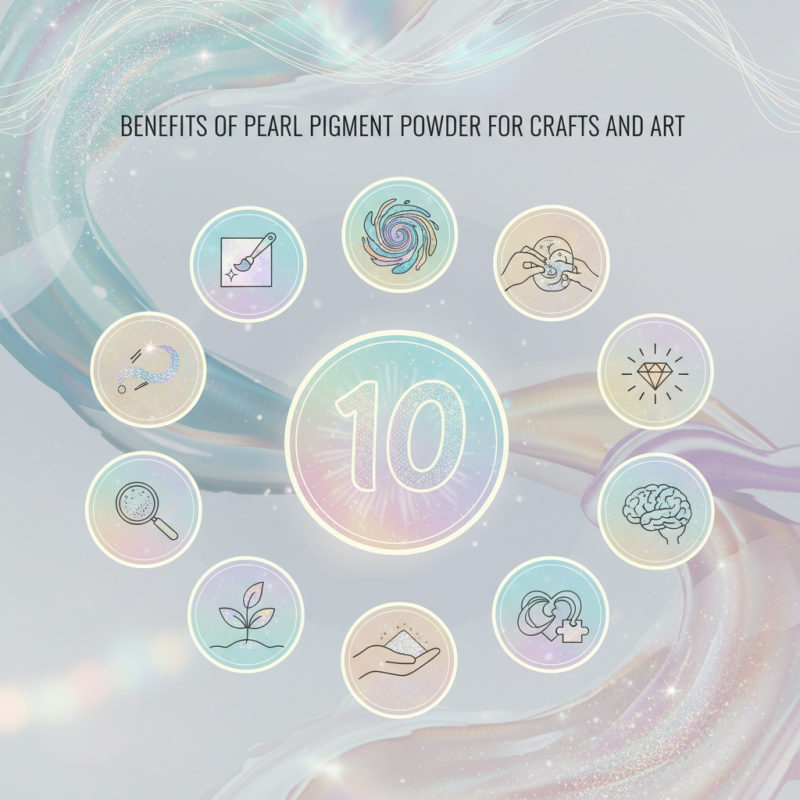
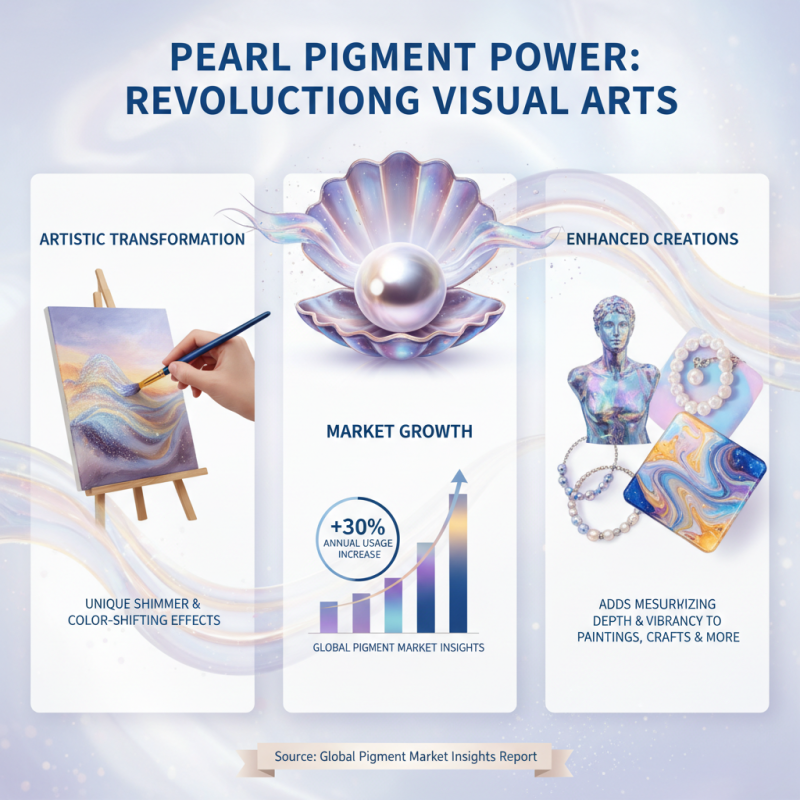
Pearl pigment powder has transformed the visual arts landscape in recent years. Its unique shimmer and color-shifting effects appeal to a wide range of artists and craft enthusiasts. According to a report by the Global Pigment Market Insights, the beauty of pearl pigments helps increase their usage in various art forms by over 30% annually. These pigments add a mesmerizing depth, making paintings and crafts pop with life.
Artists appreciate how easy it is to mix pearl pigment with different mediums. Whether in acrylics, oils, or even resin art, the application remains seamless. Reports suggest that artists engaged in mixed media saw a 25% rise in project engagement when incorporating these pigments into their work. However, some artists find it challenging to balance the shimmer with other elements. This inconsistency can lead to overuse, which may overshadow the intended purpose of the artwork.
Additionally, the versatility of pearl pigment also extends to crafting. Crafters are using it in scrapbooking, DIY projects, and home decor. Statistics indicate that the crafting industry has significantly embraced these pigments, leading to a 40% increase in sales in recent years. Yet, the learning curve can be steep. Some crafters struggle to find the right combination of colors and techniques. This often results in unsatisfactory outcomes that prompt a reevaluation of their creative process.

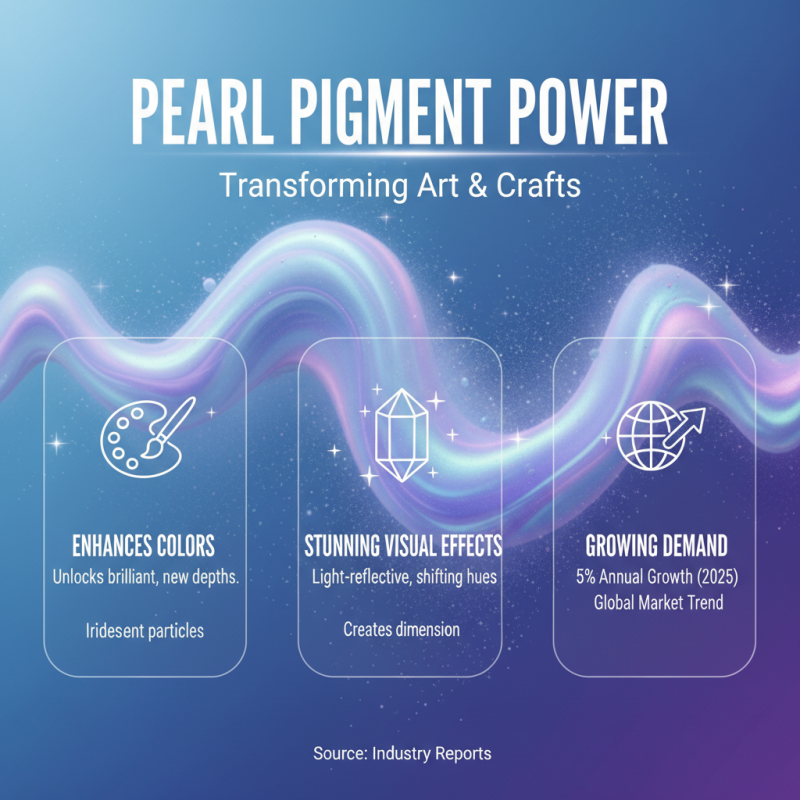
Pearl pigment powder is transforming the world of crafts and art. Artists and crafters are discovering its ability to enhance colors like never before. This powder contains iridescent particles that reflect light, creating stunning visual effects. According to industry reports, the global demand for decorative pigments, including pearl pigments, is expected to grow by 5% annually through 2025.
Using pearl pigment can elevate your projects significantly. When added to paints, it creates depth and luminosity. Mixing it with resin can produce eye-catching pieces that shimmer. Even simple crafts can gain a professional look with just a sprinkle of this powder. For example, using pearl pigment in DIY greeting cards can turn them into memorable keepsakes.
**Tip:** Start with a small amount of powder. You can always add more, but it’s hard to lighten a dark mix.
Another aspect to consider is the mixing process. Sometimes, things can go awry. If not blended well, the pigment may settle. This leads to uneven coloration. To avoid this, thoroughly mix the powder with your medium before application.
**Tip:** Test a small batch to see how the colors react. This will save time and materials.
Pearl pigment powder offers endless possibilities for improving your artistic endeavors. Explore how it can enhance your work, but be mindful of mixing techniques. The right approach can make all the difference.
Pearl pigment powder offers remarkable durability and longevity for various art projects. This type of pigment maintains its integrity over time, ensuring that colors remain vibrant and lustrous. Unlike standard pigments, pearl pigments resist fading when exposed to light. This feature is crucial for artists who want their creations to look pristine for years.
Some artists might find it challenging to achieve even application with pearl pigments. Mixing them into mediums can be tricky, and uneven distribution can affect the final look. When incorporated correctly, however, these pigments deliver a stunning, shimmering effect. They reflect light beautifully, adding depth to paints, resins, and other materials.
Moreover, pearl pigments are often resistant to water and chemicals. This property enhances the longevity of art pieces, making them suitable for both indoor and outdoor displays. Artists often appreciate the versatility of these pigments but must experiment to achieve the desired effects. Finding the right balance may take time. Potential inconsistencies invite reflection on technique and process, pushing artists to refine their skills.
| Benefit | Description | Impact on Projects |
|---|---|---|
| Vibrant Colors | Highly saturated and bright colors with a pearlescent finish. | Enhances visual appeal and aesthetic quality. |
| Versatility | Can be used in various mediums like acrylics, resins, and more. | Expands creative possibilities in art projects. |
| Durability | Resists fading and degradation over time. | Ensures long-lasting quality of artwork. |
| Easy Application | Can be applied with brushes, spatulas, or mixed into other mediums. | User-friendly for artists of all skill levels. |
| Lightfastness | Maintains color integrity when exposed to light. | Ideal for artworks displayed in well-lit environments. |
| Non-toxic Options | Many pearl pigments are free from harmful chemicals. | Safe for use in art projects at home or in classrooms. |
| Customizable Effects | Can be mixed to create unique shades and finishes. | Encourages personal expression in art. |
| Cost-effective | A little powder goes a long way, making it economical. | Allows for affordable creative projects. |
| Eco-friendly | Many pearl pigments are derived from natural sources. | Supports sustainability in art materials. |
| Inspires Creativity | The unique properties of pearl pigments spark imaginative ideas. | Motivates artists to experiment and innovate. |
Pearl pigment powder stands out for its versatility in various art forms. It merges effortlessly with acrylics, watercolors, and even resin. This allows artists to create depth and luminosity in their work. The shimmering effect enhances any artwork, turning simple pieces into captivating displays.
When using pearl pigment powder, start with a small amount. A little goes a long way. Mix it into your medium until you achieve the desired shade. Experimenting can lead to unexpected results. Sometimes, those imperfections add unique character to your crafts. Don't shy away from trying it in different forms. You might be surprised at how it changes with each application.
For beginners, crafting with pearl pigments can be challenging. Take your time to understand how it interacts with other materials. Consider using it on a small canvas first. This helps build confidence before tackling larger projects. Remember, art is about exploration, and every mistake can lead to something beautiful. Be open to adjusting your process!
Pearl pigment powder adds a unique touch to various crafts. Its shimmering finish enhances projects, making them eye-catching. One easy way to use pearl pigments is to mix them with paints. Just a small amount can transform the color, creating depth and shimmer. Use a palette knife to blend until smooth. This technique works well for canvas and acrylic pours.
Another method is to apply the pigment directly onto surfaces. A soft brush or sponge can help achieve different effects. Dust it lightly over wet paint for a glittering top layer. This works beautifully with greeting cards and scrapbooking. Experimenting with different application techniques can be unpredictable. Sometimes, the outcome might be less than perfect, leading to joyful surprises or lessons learned.
Creating gradients with pearl pigments is another fun approach. Apply a more concentrated layer at one end and fade it out. This could add dimension to any item, especially when done on wood or glass. While some may struggle with the blending process, practicing can lead to stunning results. Allow mistakes to inspire creativity rather than frustration.